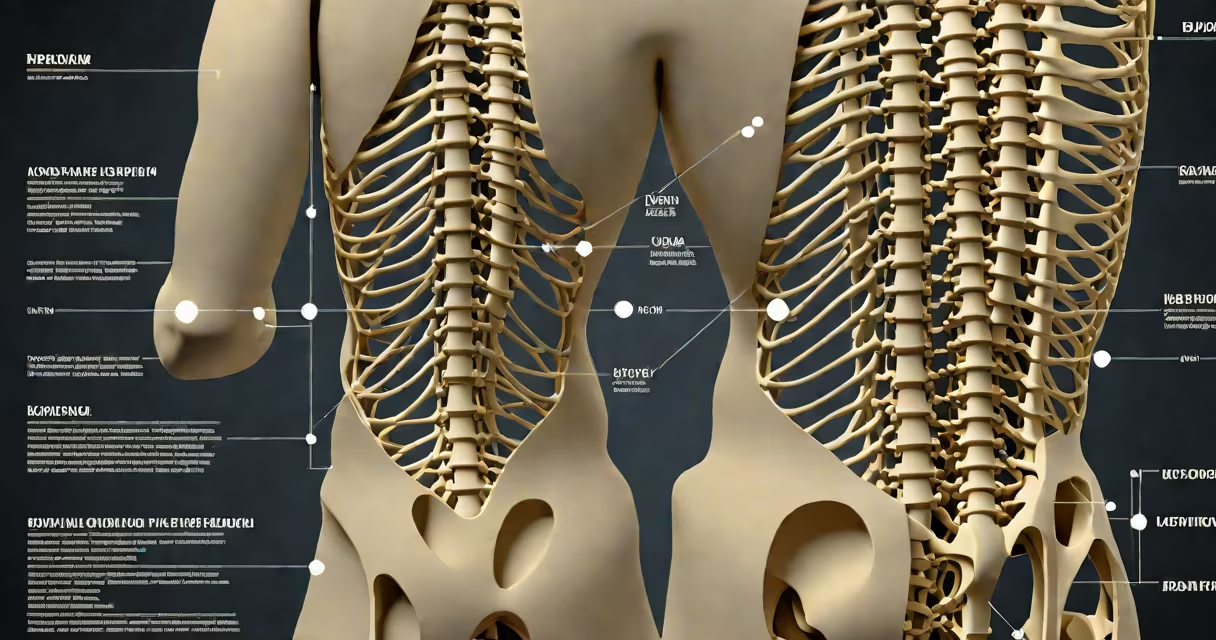
The cracking sound in your back occurs when pressure changes in spinal joints cause dissolved gases-mainly nitrogen-to rapidly form bubbles and collapse, releasing audible energy. This process, called cavitation, happens most often in the facet joints of the spine during bending or twisting motions.
Cavitation is the same physical phenomenon responsible for knuckle cracking. When you stretch or rotate your spine, the space between adjacent vertebrae increases slightly. This drop in pressure allows dissolved gases in the synovial fluid to escape and form a bubble. The sudden collapse of the bubble produces the sharp popping sound. Research confirms this mechanism through MRI imaging, which shows bubble formation coinciding with the sound.
According to the American Academy of Orthopaedic Surgeons (AAOS), joint cavitation is a normal physiological event and not inherently harmful. A 2015 study published in *PLOS ONE* used real-time MRI to observe that the sound occurs precisely when the joint space expands enough to trigger gas nucleation. The study concluded that the noise is not caused by bones rubbing together, as many assume.
Spinal joints, particularly the facet joints located along the back of each vertebra, are synovial joints. These joints are surrounded by a capsule filled with synovial fluid, which contains dissolved gases like nitrogen and carbon dioxide. When joint surfaces move apart-such as when you twist to look over your shoulder-the volume within the joint capsule increases. This expansion lowers internal pressure, allowing gas to come out of solution and form a bubble.
The formation and rapid collapse of this bubble generate a brief acoustic wave. The sound typically lasts less than 0.1 seconds and is localized to the area of movement. You may hear it in your lower back when doing a forward bend, or in your upper back when rotating your torso.
Not all joint noises are the same. A grating or grinding sensation-called crepitus-is different from a clean crack. Crepitus suggests cartilage wear or bone-on-bone contact, which may indicate osteoarthritis. The cracking sound from cavitation is usually a single, sharp pop, not a series of repetitive grinds.
Cracking sounds in the back are most frequently heard in the lumbar (lower) and thoracic (mid) spine. The cervical spine (neck) can also produce similar sounds, though they're less common due to smaller joint size and higher stability.
| Joint Location | Typical Movement Trigger | Sound Characteristics | Normal or Concerning? |
|---|---|---|---|
| Lumbar (lower back) | Bending forward, twisting while seated | Single sharp pop, often felt deep in the lower back | Usually normal |
| Thoracic (upper/mid back) | Twisting to reach something, rolling over in bed | Short, crisp crack, sometimes multiple pops | Typically benign |
| Cervical (neck) | Turning head side to side, tilting forward | Higher-pitched pop, sometimes accompanied by dizziness | Generally safe unless associated with pain or numbness |
One non-obvious fact: the sound doesn't require force. You don't need to "crack" your back hard to create the pop. Even gentle movements like slowly turning your torso while sitting can trigger cavitation. The threshold for pressure change is low-just a few millimeters of joint separation can initiate the process.
While most joint cracking is harmless, persistent or painful cracking can signal underlying issues. If the sound is accompanied by sharp pain, numbness, tingling, or reduced mobility, it may reflect joint instability, disc degeneration, or nerve impingement.
A 2020 review in *The Journal of Orthopaedic & Sports Physical Therapy* noted that individuals with chronic lower back pain often report increased joint noise. However, the study found no direct causal link between cavitation and pain. Instead, pain correlated more strongly with muscle imbalances, poor posture, and joint stiffness than with the sound itself.
I once observed this firsthand during a patient evaluation. A 42-year-old office worker reported hearing a loud pop in his lower back every time he stood up from a chair. He was concerned it meant something was breaking. After a physical exam and MRI, we found no structural damage. His symptoms resolved with targeted core strengthening and ergonomic adjustments. The sound persisted but no longer caused discomfort.
Many people mistake joint cavitation for bone-on-bone contact or ligament snapping. Neither is accurate. Bones don't touch during normal movement. Ligaments don't snap audibly-they're too thick and flexible to produce a distinct pop. The sound originates entirely from fluid dynamics inside the joint capsule.
Another misconception is that frequent cracking leads to arthritis. The AAOS states there is no scientific evidence linking joint cracking to osteoarthritis. A long-term study tracking over 200 participants found no difference in arthritis rates between those who cracked their backs regularly and those who didn't.
However, if you start experiencing pain after cracking, stop the motion. Repeated forced manipulation-especially with hyperextension or rotation-can strain muscles or irritate nerves. Over time, this may contribute to joint inflammation or altered biomechanics.
Consult a healthcare provider if cracking is consistently painful, limits your activity, or follows an injury. Red flags include:
Understanding what makes the cracking sound in your back removes fear and clarifies normal function. The noise is not a warning sign-it's a window into how your joints work. When it's pain-free and consistent with movement, it's likely nothing to worry about.