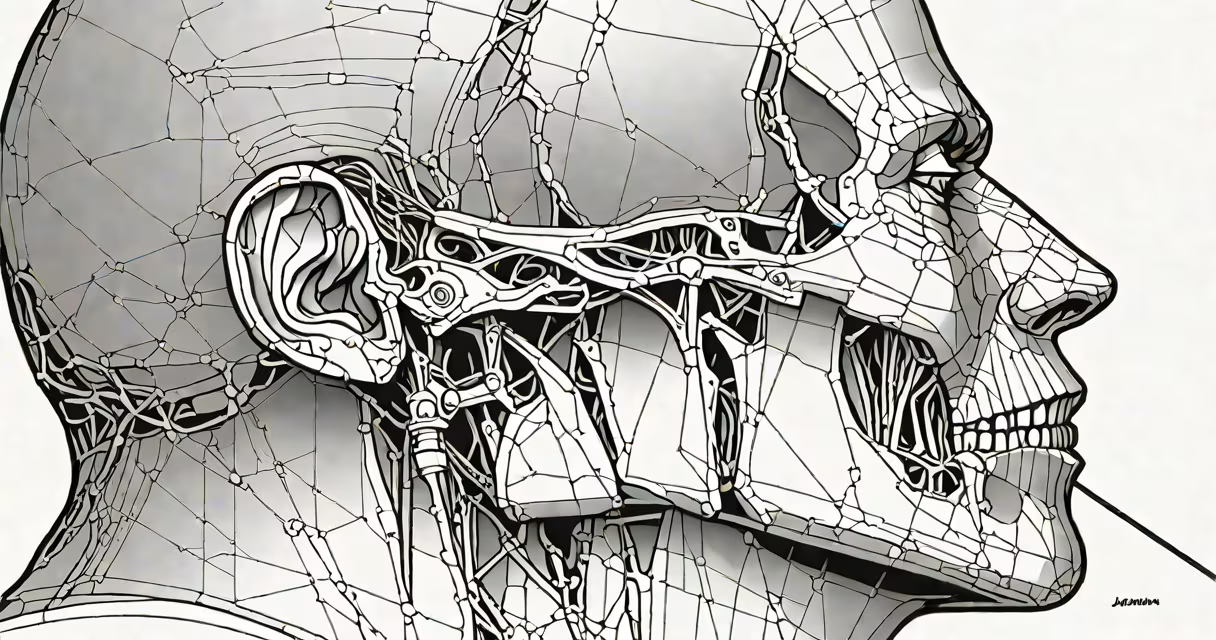
Jaw pain after sleeping is typically caused by unconscious teeth clenching or grinding during sleep, a condition called bruxism. It can also result from poor sleep posture that strains the temporomandibular joint (TMJ) or underlying dental issues. Up to 10% of adults experience bruxism, often without awareness.
Bruxism involves repetitive jaw muscle activity during sleep, leading to pressure on the TMJ-the joint connecting the jawbone to the skull. This joint allows movement for talking, chewing, and yawning. When stressed or misaligned, it can cause localized pain, stiffness, and clicking sounds. The American Academy of Orofacial Pain notes that nocturnal bruxism is linked to stress, anxiety, and certain medications.
Common triggers include sleep apnea, caffeine intake before bed, and alcohol consumption. A 2021 study in *Sleep Medicine* found that individuals with moderate to severe obstructive sleep apnea were 2.3 times more likely to report jaw pain upon waking. Poor pillow height can also force the neck into a flexed position, increasing strain on the jaw muscles.
The process begins with subconscious muscle activation during REM sleep cycles. The masseter and temporalis muscles contract repeatedly, generating forces up to 250 pounds per square inch-equivalent to the bite force of a large dog. Over time, this leads to inflammation, joint wear, and referred pain to the ear, temple, or neck.
Pain often appears as a dull ache or sharp twinge on one or both sides of the jaw. It may worsen when opening the mouth wide or chewing. Some people describe a sensation of the jaw "locking" or shifting out of place. These symptoms typically resolve within 1-2 hours of waking but can persist if the underlying cause remains unaddressed.
A 2019 clinical review in *The Journal of Oral Rehabilitation* identified that 65% of patients with chronic jaw pain reported waking with facial soreness. Many had no prior history of dental problems, highlighting the role of sleep-related habits in symptom onset.
Several factors contribute to jaw pain after sleeping. The most common is bruxism, which occurs in two forms: awake bruxism (conscious clenching during the day) and sleep bruxism (unconscious grinding at night). Sleep bruxism is more likely to cause morning jaw pain due to prolonged muscle activity.
| Factor | Prevalence | Associated Symptoms |
|---|---|---|
| Bruxism (sleep) | 8-10% of adults | Morning jaw soreness, tooth sensitivity, worn enamel |
| Poor sleep posture | Est. 30% of adults with neck/jaw complaints | Stiff neck, unilateral jaw pain, headache |
| Untreated TMJ disorder | Approx. 12 million U.S. adults | Clicking, popping, limited mouth opening |
| Medication side effects | Reported in 5% of SSRI users | Increased muscle tension, dry mouth |
Another overlooked cause is sleep apnea. When breathing pauses during sleep, the brain triggers micro-arousals that activate jaw muscles to maintain airway patency. This reflexive tightening contributes to morning jaw fatigue. The American Sleep Apnea Association estimates that 1 in 15 adults has undiagnosed sleep apnea, many of whom report jaw discomfort.
Non-obvious contributors include dental work completed days before sleep. A 2020 study in *Dental Materials* showed that patients who received fillings or crowns within 48 hours of sleep onset were twice as likely to report jaw pain the next morning. This suggests that recent dental procedures may alter bite alignment temporarily, increasing joint load during rest.
Jaw pain after sleeping is frequently mistaken for sinus issues or ear infections. However, true ear pain from infection usually includes fever, discharge, or hearing changes. Jaw-related pain often radiates to the ear but lacks these systemic signs.
One key distinction: TMJ pain tends to worsen with jaw movement and improves with rest. Sinus pain typically increases when bending forward. A patient with TMJ disorder may feel relief after applying warm compresses and avoiding hard foods-actions that do little for sinus or ear conditions.
I once observed a case where a man reported daily jaw pain after waking. He had visited multiple doctors, receiving antibiotics for suspected ear infection. Only after a dentist noted visible tooth wear and recommended a night guard did the pain subside. His bruxism was confirmed via polysomnography, showing 18 grinding episodes per hour during sleep.
If jaw pain persists beyond 3 days, recurs regularly, or interferes with eating or speaking, consult a healthcare provider. Early intervention reduces risk of permanent joint damage. The American Dental Association recommends seeing a dentist if you notice tooth wear, jaw clicking, or difficulty opening your mouth fully.
For persistent cases, a referral to a sleep specialist or oral medicine expert may be needed. Treatment options include custom-fitted occlusal splints, cognitive behavioral therapy for insomnia, or addressing sleep apnea with CPAP therapy. In rare cases, physical therapy targeting the masticatory muscles may be prescribed.
Ignoring jaw pain after sleeping risks long-term TMJ dysfunction. Addressing the root cause early prevents irreversible joint changes and reduces reliance on pain medication. Most cases improve with consistent management, even without surgery.