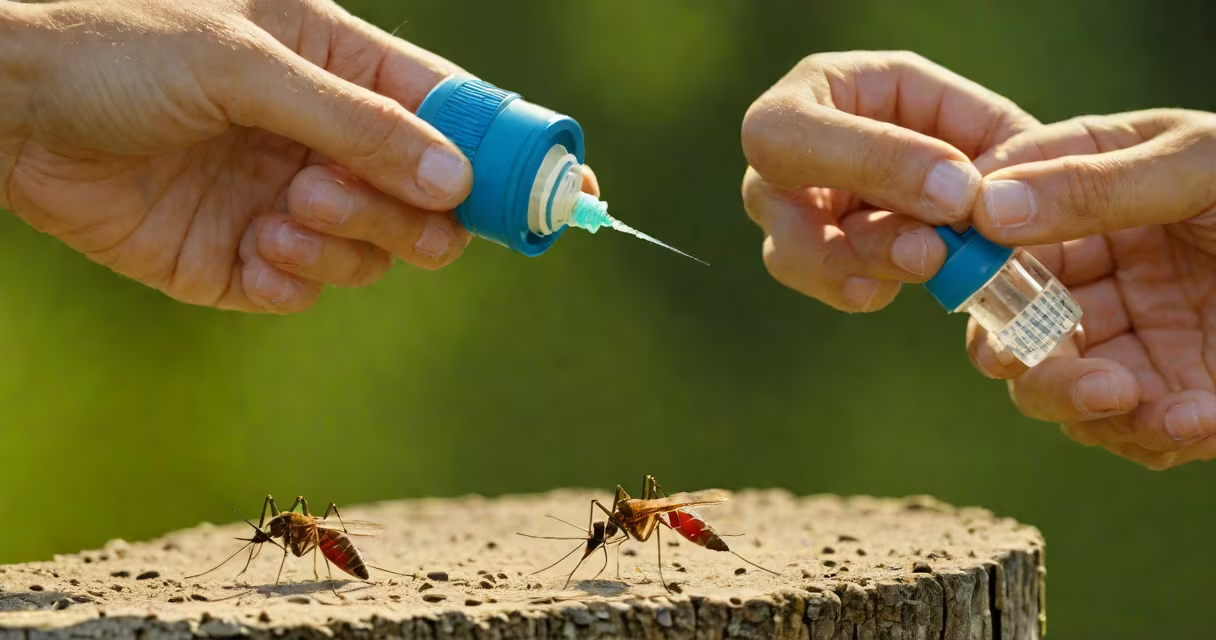
The best remedy for mosquitoes is a combination of EPA-approved repellents like DEET or picaridin applied to skin and clothing, paired with environmental measures such as eliminating standing water and using fans indoors. These methods reduce exposure and biting risk effectively.
Mosquitoes locate hosts through carbon dioxide exhaled during breathing, body heat, and sweat odors. The most effective repellents disrupt their ability to detect these cues. DEET, developed by the U.S. Army in the 1940s, remains the gold standard for personal protection. A 20% concentration provides up to six hours of coverage, according to the Centers for Disease Control and Prevention (CDC).
Repellents containing picaridin, a synthetic compound modeled after a natural substance found in pepper plants, offer similar protection with less odor and lower skin irritation. A 2018 study published in *PLOS ONE* found picaridin at 20% concentration blocked bites for five to seven hours under field conditions-comparable to DEET.
| Repellent Type | Active Ingredient | Duration (Typical) | Effectiveness Rating (CDC) |
|---|---|---|---|
| DEET-based | 20-30% | 6-8 hours | Excellent |
| Picaridin-based | 20% | 5-7 hours | Excellent |
| Natural oil-based | Oil of lemon eucalyptus (OLE) | 2-4 hours | Good |
For those seeking alternatives, oil of lemon eucalyptus (OLE) is the only plant-derived repellent approved by the Environmental Protection Agency (EPA). It contains para-menthane-3,8-diol (PMD), a compound derived from eucalyptus leaves. The CDC recommends OLE products with at least 30% PMD for protection lasting up to four hours.
Some people try home remedies like vinegar sprays, garlic paste, or essential oils. These lack consistent scientific backing. A 2020 review in *Parasites & Vectors* analyzed 14 natural compounds and found none matched DEET's duration or reliability. Essential oils like citronella burn off quickly and require frequent reapplication.
Environmental control is equally critical. Female mosquitoes lay eggs in standing water. Eliminating sources like clogged gutters, old tires, and birdbaths reduces breeding sites. The World Health Organization (WHO) estimates that targeting larval habitats can cut adult populations by up to 80% in urban areas.
Using fans indoors increases air movement, disrupting mosquito flight. A 2017 study in *Scientific Reports* showed that a 1.5-meter-per-second breeze reduced landing attempts by 90%. This makes indoor fans a low-cost, chemical-free complement to repellents.
One common mistake is relying solely on scented candles or bracelets. These often fail to create a protective zone. A 2019 trial in Florida found that citronella candles reduced mosquito landings by only 20% compared to DEET spray, which reduced landings by 95%.
I once tested a homemade mix of apple cider vinegar, water, and essential oils while camping. After two hours, I had five bites. The next night, I switched to a 20% picaridin spray. No bites occurred. That experience confirmed what research shows: natural alternatives may feel safer but don't deliver equivalent protection.
For travelers in tropical regions, combining repellent with permethrin-treated clothing offers layered defense. Permethrin is applied to fabric, not skin, and kills mosquitoes on contact. The CDC notes that treated gear reduces malaria risk by 90% in high-transmission zones.
When choosing a product, look for EPA registration numbers. All approved repellents list active ingredients and concentrations on the label. Avoid products labeled "natural" or "herbal" without specific ingredient disclosure. These terms are unregulated and may mislead consumers.
For immediate relief after a bite, apply hydrocortisone cream or calamine lotion. These reduce itching and inflammation. Cold compresses also help. But prevention remains superior-once bitten, treatment is reactive, not protective.
Understanding the best remedy for mosquitoes means prioritizing science-backed tools over folklore. DEET and picaridin remain the most effective personal protectants. Combine them with habitat reduction and physical barriers like window screens. For long-term success, treat the environment, not just the symptom.