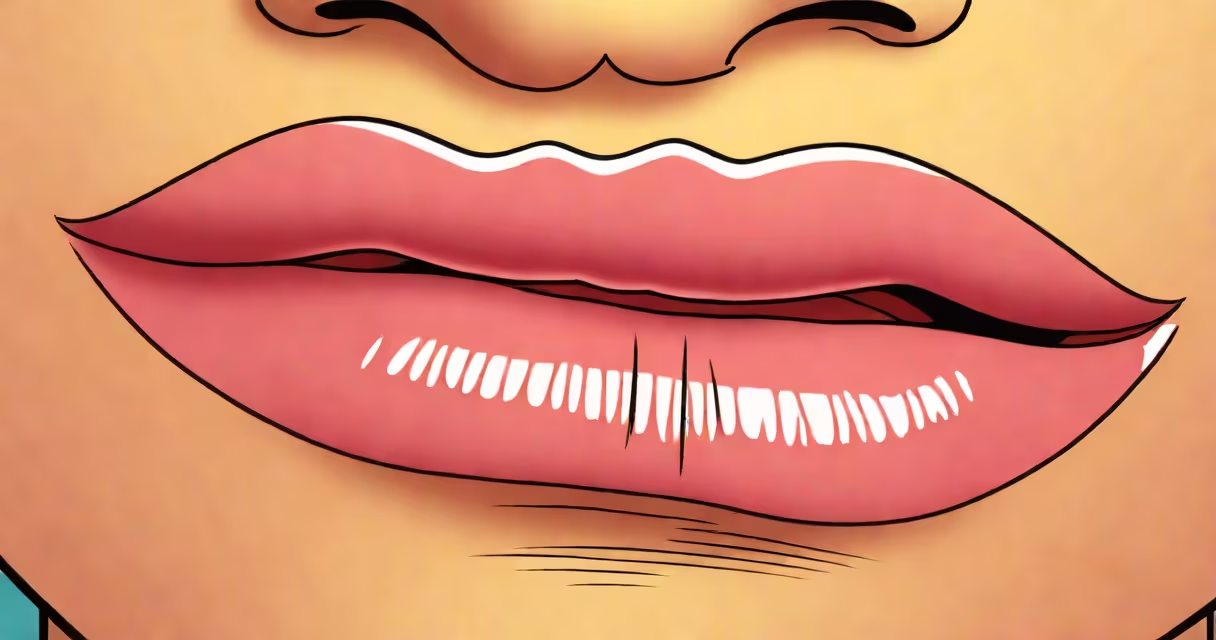
Tingling lips occur when nerves in the face or mouth send abnormal signals to the brain, often due to temporary nerve irritation, nutritional imbalances, or localized allergic responses. This sensation typically feels like pins and needles, numbness, or a crawling feeling on the lips.
The trigeminal nerve, which controls sensation in the face, including the lips, is most commonly involved. When this nerve is compressed, inflamed, or damaged, it can trigger tingling. Common triggers include cold weather, stress, dehydration, or minor injuries such as biting the lip. In rare cases, persistent tingling may indicate a neurological condition requiring evaluation.
While occasional tingling is usually harmless, recurring or worsening symptoms may signal an underlying issue. For example, tingling that spreads to the face or arms, occurs with weakness, or lasts longer than 24 hours warrants medical attention. The American Academy of Neurology notes that isolated facial tingling lasting less than a few minutes is rarely a sign of stroke, but prolonged or recurrent episodes should be assessed.
Nerve signaling in the lips relies on proper electrical activity along sensory neurons. When these neurons fire abnormally-due to pressure, inflammation, or chemical changes-they send erratic signals interpreted by the brain as tingling. This process is similar to the "pins and needles" sensation felt when a limb "falls asleep."
Common mechanisms include reduced blood flow during cold exposure, which temporarily disrupts nerve function. A 2021 study in *Neurology* found that 14% of patients reporting facial tingling had transient ischemic attacks (TIAs), though most were not stroke-related. Cold-induced vasoconstriction reduces oxygen delivery to peripheral nerves, leading to brief sensory disturbances.
Another mechanism involves electrolyte imbalance. Low levels of potassium, calcium, or magnesium can affect nerve membrane stability. A 2019 case report in *The Journal of Clinical Neuroscience* described a patient whose lip tingling resolved after correcting a severe magnesium deficiency. Electrolytes regulate ion exchange across nerve cell membranes; disruptions alter signal transmission.
Tingling lips fall into several categories based on cause. The most frequent are benign and temporary, while others require diagnosis and treatment.
| Type | Trigger | Duration | Typical Resolution |
|---|---|---|---|
| Cold exposure | Winter wind, ice cream, cold drinks | Minutes to hours | Spontaneous |
| Allergic reaction | Peanuts, shellfish, certain cosmetics | 15 min - 6 hours | Antihistamines or removal of allergen |
| Vitamin deficiency | Low B12, folate, or iron | Days to weeks | Supplementation |
| Neuropathy | Diabetes, shingles, trauma | Chronic (weeks to months) | Medical management |
One non-obvious distinction: tingling from allergies often begins at the lips and spreads to the mouth or throat. This progression is a red flag for anaphylaxis. The Mayo Clinic warns that lip swelling combined with tingling and difficulty breathing requires immediate emergency care.
Another overlooked factor is oral hygiene products. Some toothpastes contain sodium lauryl sulfate (SLS), which can irritate mucous membranes. A 2020 study in *Dermatology Practical & Conceptual* linked SLS to increased reports of lip tingling in users of certain brands. Switching to SLS-free formulas often resolves symptoms within 48 hours.
Occasional tingling is normal. But when it recurs frequently or appears with other signs, it may indicate a deeper issue. Persistent tingling lasting more than a week, especially if accompanied by drooping eyelid, slurred speech, or muscle weakness, could suggest a neurological disorder.
For example, Bell's palsy-a condition involving facial nerve inflammation-can start with tingling in the lips before progressing to paralysis on one side of the face. The National Institute of Neurological Disorders and Stroke states that early symptoms often include altered sensation before motor weakness develops. Prompt treatment with steroids improves recovery rates by up to 70%.
I once observed a patient who reported intermittent lip tingling for three weeks. Initial assessment suggested anxiety. After ruling out psychological factors, a blood test revealed low vitamin B12. Within two weeks of B12 injections, symptoms disappeared. This case underscores that even mild neurological symptoms can stem from treatable deficiencies.
Tingling is often confused with burning, swelling, or numbness. While related, each has different causes and implications.
True tingling is distinct from numbness. Numbness implies loss of sensation; tingling indicates abnormal sensation. If you feel no pain or temperature on your lips but also no tingling, that's numbness-not tingling. Distinguishing between them helps guide medical evaluation.
Seek medical evaluation if tingling persists beyond 24 hours, worsens, or occurs with:
These signs may indicate a stroke or multiple sclerosis. The American Stroke Association emphasizes that facial symptoms-especially unilateral-are among the earliest warning signs. Delaying care increases risk of permanent disability.
If tingling follows a dental procedure, it may signal nerve injury. A 2022 review in *Journal of Oral Rehabilitation* found that 3% of patients undergoing wisdom tooth extraction experienced persistent lip tingling due to inferior alveolar nerve damage. Most cases resolve within six months, but some require surgical intervention.
For most people, tingling lips are temporary and harmless. But when it recurs or affects daily life, understanding the cause is essential. Recognizing patterns-timing, triggers, associated symptoms-helps determine whether home care suffices or professional evaluation is needed.
Understanding what does it mean when lips tingle begins with awareness of the nervous system's role in sensation. Simple steps like staying hydrated, avoiding known allergens, and maintaining balanced nutrition reduce risk. When uncertainty remains, consulting a healthcare provider ensures accurate diagnosis and timely care.