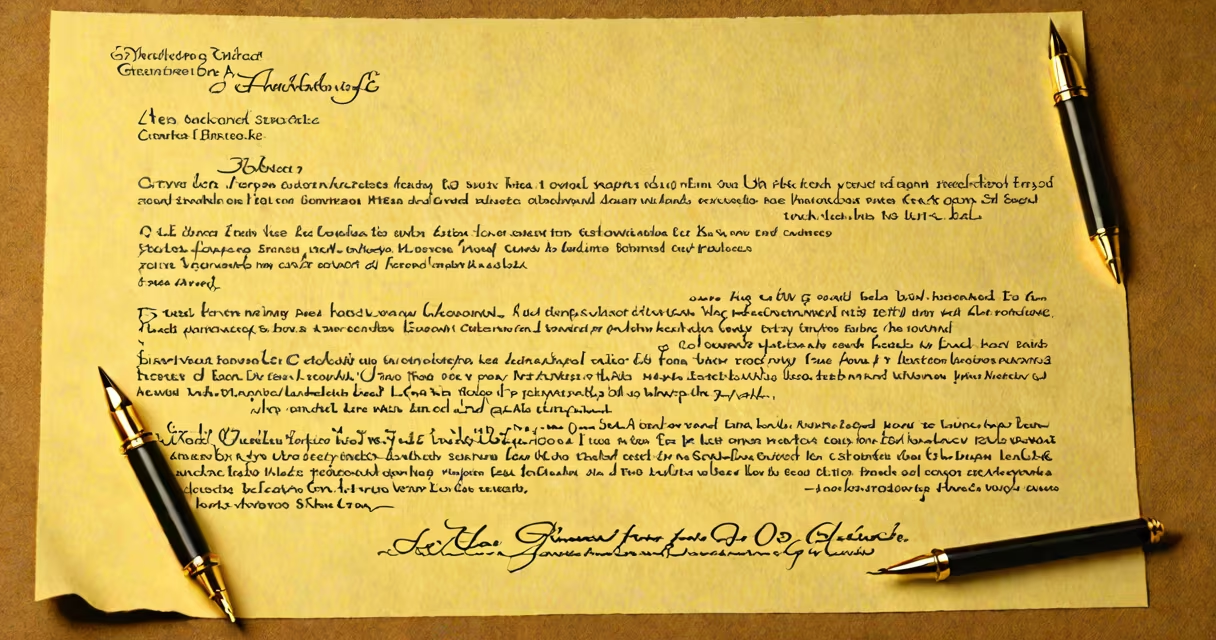
A character reference letter evaluates a person's integrity, work ethic, and interpersonal qualities based on firsthand observation. It supports applications for jobs, housing, scholarships, or legal proceedings by providing credible insight into behavior and reliability beyond formal credentials.
These letters differ from academic or employment recommendations. They focus on moral character, consistency, and social responsibility rather than technical skill or job performance. A well-written version includes specific behaviors, dates, and outcomes to establish credibility.
For example, a teacher writing about a student might describe how they consistently helped classmates during group projects, volunteered at school events, and maintained respectful conduct under pressure. Concrete details prevent vague praise and strengthen the letter's impact.
Every effective character reference letter contains five essential components: introduction, relationship context, behavioral evidence, personal traits, and conclusion. Omitting any weakens the letter's authority.
The introduction states who the writer is, their role, and how long they've known the subject. For instance: "I am Jane Doe, director of youth programs at City Community Center, and have supervised Alex Johnson since January 2022." This establishes legitimacy.
Next, describe the nature and duration of the relationship. Avoid generic statements like "I've known them for years." Instead, specify: "Over the past 18 months, I've observed Alex lead weekly peer mentorship sessions for 15 at-risk teens." Timeframes and roles add weight.
Behavioral evidence forms the core. Use 2-3 brief anecdotes showing actions that reflect character. Example: "When a peer was excluded during a team activity, Alex initiated a conversation to include them, resulting in improved group cohesion." This illustrates empathy and leadership.
Include traits like honesty, dependability, and resilience. But don't just list them-show them. Instead of "Alex is honest," write: "Alex returned $20 found in a lost backpack during a field trip, despite no one witnessing the act." This demonstrates integrity through action.
The conclusion reaffirms the writer's confidence in the individual's character and offers contact information. End with: "I recommend Alex without reservation for any opportunity requiring trust and ethical judgment."
Character reference letters vary by purpose. The most frequent types are personal, professional, and institutional. Each requires different emphasis and tone.
| Type | Best For | Key Focus Areas | Example Use Case |
|---|---|---|---|
| Personal | Legal cases, parole hearings, housing applications | Reliability, community involvement, emotional stability | Supporting a former neighbor applying for a rental unit |
| Professional | Job applications, promotions, licensing boards | Work ethic, accountability, collaboration | Backing a colleague seeking a leadership role |
| Institutional | Scholarships, internships, volunteer programs | Leadership, initiative, service orientation | Endorsing a student for a national youth leadership program |
Many people confuse character reference letters with recommendation letters for jobs or schools. While both are endorsements, a job reference focuses on measurable performance (e.g., "increased sales by 15%"), whereas a character letter emphasizes values and behavior (e.g., "consistently deferred personal gain to support team goals").
One non-obvious distinction: character letters often carry more weight in legal or immigration contexts because they assess risk and trustworthiness. According to the U.S. Citizenship and Immigration Services (USCIS), personal references can influence decisions on asylum and visa applications when they demonstrate consistent positive conduct over time.
Consider this real example from a community leader writing for a young adult applying to a public service internship:
"I have known Maria Lopez since she joined our neighborhood clean-up initiative in March 2021. Over 18 months, she organized monthly volunteer shifts, trained new members, and resolved conflicts between participants with calm diplomacy. When a scheduled event was canceled due to rain, she rearranged logistics within 48 hours and secured alternative funding. Her commitment to fairness and problem-solving has inspired others to step forward. I recommend her for any role requiring civic responsibility and resilience."
This letter succeeds because it uses specific dates, measurable actions, and clear traits. It avoids exaggeration and stays focused on observable behavior.
Common mistakes include overgeneralization ("Maria is kind and hardworking"), lack of timeframe ("I've known her for a while"), and unverifiable claims ("She's the most trustworthy person I've met"). These reduce credibility.
A personal experience: I once reviewed a character letter that claimed the applicant "never missed a deadline" without citing a single instance. That letter was rejected. A stronger version cited three projects completed early, including one that prevented a city event from being delayed.
Before submitting a character reference letter, verify these points:
If you're writing a reference for someone in a work setting, consider the reference letter for employee template. It emphasizes performance metrics and teamwork, which differ from character-focused narratives.
What to put in a character reference letter centers on authenticity. The strongest letters don't boast-they reveal. Show, don't tell. Let actions speak. And always write as someone who has seen the person in real situations, not just heard about them.