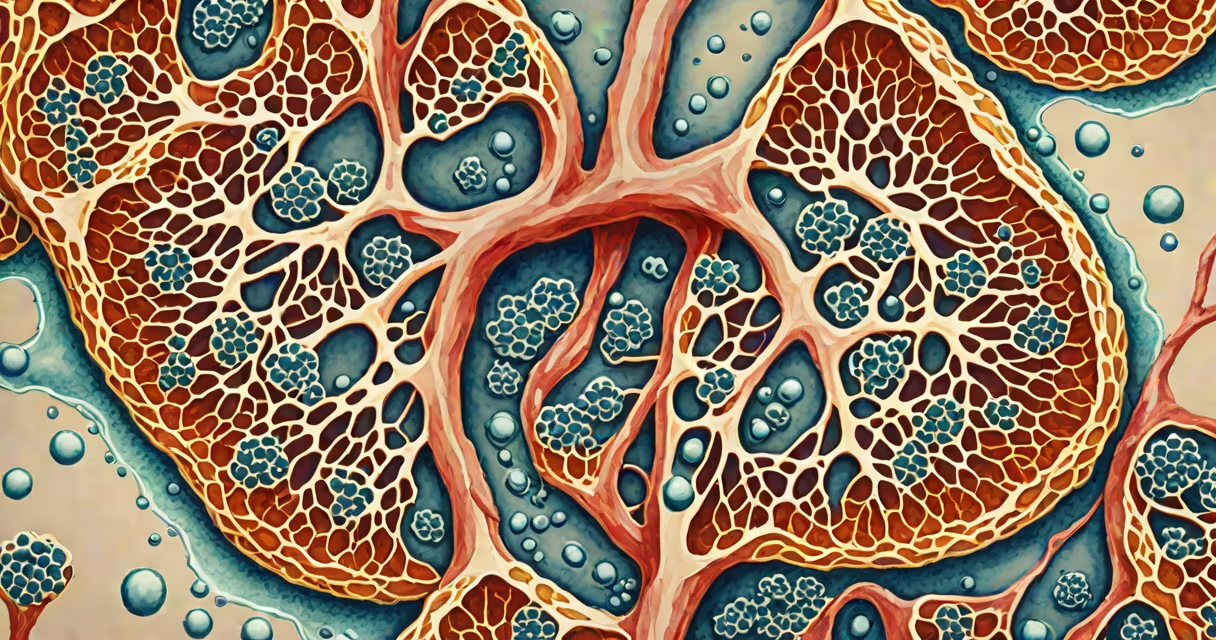
Cystic fibrosis primarily affects the lungs and pancreas, caused by mutations in the CFTR gene that disrupt chloride ion transport, leading to thick, sticky mucus that clogs airways and ducts.
The disease stems from a faulty protein called CFTR (cystic fibrosis transmembrane conductance regulator), which normally regulates salt and water movement across cell membranes. When CFTR malfunctions, cells produce abnormally viscous mucus. This mucus obstructs passageways in organs reliant on fluid secretion, especially the respiratory and digestive systems.
According to the Cystic Fibrosis Foundation, over 90% of people with cystic fibrosis develop lung disease by adulthood. The condition also causes pancreatic insufficiency in about 85% of patients, impairing digestion and nutrient absorption. These outcomes result from the same underlying defect: abnormal ion transport due to CFTR dysfunction.
CFTR is located in epithelial cells lining the surfaces of internal organs. In healthy individuals, CFTR opens to release chloride ions into the airway surface liquid, drawing water out via osmosis. This keeps mucus thin and easily cleared. In cystic fibrosis, mutated CFTR fails to open properly, reducing chloride flow and causing dehydration of the mucus layer.
As the mucus dries, it becomes thick and sticky. In the lungs, this traps bacteria, leading to chronic infections and progressive inflammation. Over time, scarring (fibrosis) reduces lung capacity. In the pancreas, mucus blocks ducts that carry digestive enzymes to the small intestine. Without these enzymes, fat and protein digestion fails, resulting in poor weight gain and malnutrition despite high caloric intake.
A 2022 study published in *The Lancet Respiratory Medicine* found that patients with severe CFTR mutations had a median survival of 51 years, though advances in modulator therapies have improved life expectancy since the early 2000s.
While the lungs and pancreas are most severely impacted, cystic fibrosis can affect multiple systems. The table below outlines key organs involved and their clinical consequences:
| Body Part | Role in Health | Impact of Cystic Fibrosis |
|---|---|---|
| Lungs | Gas exchange, pathogen clearance | Mucus plugs cause recurrent pneumonia, bronchiectasis, reduced oxygenation |
| Pancreas | Produces enzymes for fat/protein digestion | Duct obstruction leads to enzyme deficiency in 85% of cases |
| Liver | Bile production, toxin processing | Less common; bile duct blockage may lead to cirrhosis in 5-10% |
| Reproductive System | Sperm and egg transport | Male infertility due to absent vas deferens in ~97% of men |
The sinuses and intestines are also affected. Chronic sinusitis occurs in nearly all patients, and meconium ileus-a bowel obstruction in newborns-occurs in about 15% of cases. This highlights that CFTR's influence extends beyond the lungs and pancreas.
Many assume cystic fibrosis only affects breathing. While respiratory decline is the leading cause of death, gastrointestinal complications are equally critical. Patients often require pancreatic enzyme replacement therapy (PERT) to absorb nutrients, yet this treatment is frequently underprescribed.
Another misconception is that cystic fibrosis only appears in children. Although symptoms often begin in infancy, some individuals are diagnosed in adulthood. A 2021 report from the National Institutes of Health noted that 10% of diagnosed cases occur after age 30, often due to mild mutations or delayed symptom onset.
Cystic fibrosis does not affect the brain or nervous system directly. Cognitive function remains normal. However, chronic illness and medication side effects may contribute to fatigue and mood changes, which are secondary rather than neurological.
I once met a 28-year-old woman with cystic fibrosis who was diagnosed at age 6 after persistent coughing and failure to thrive. Her CFTR mutation was ΔF508/ΔF508, the most common variant. She required daily chest physiotherapy, inhaled antibiotics, and PERT with every meal. Despite this, she maintained a full-time job and ran marathons-proof that quality of life can remain high with proper management.
Her case illustrates how targeted care mitigates organ damage. She also took ivacaftor, a CFTR modulator approved by the FDA in 2012. After six months, her FEV1 (forced expiratory volume) improved from 58% to 74% of predicted, showing that correcting the underlying defect can reverse functional decline.
Cystic fibrosis is not the same as bronchiectasis or COPD, although symptoms overlap. Bronchiectasis results from chronic infection and inflammation, while COPD is typically smoking-related. In contrast, cystic fibrosis is genetic and begins early in life.
Understanding what body part cystic fibrosis affects requires recognizing that the disease targets specific cells and processes-not just organs. The lungs and pancreas suffer because they depend on regulated fluid secretion, disrupted by faulty CFTR proteins. Early diagnosis and precision treatments now allow many to live well into middle age, challenging earlier assumptions about prognosis.