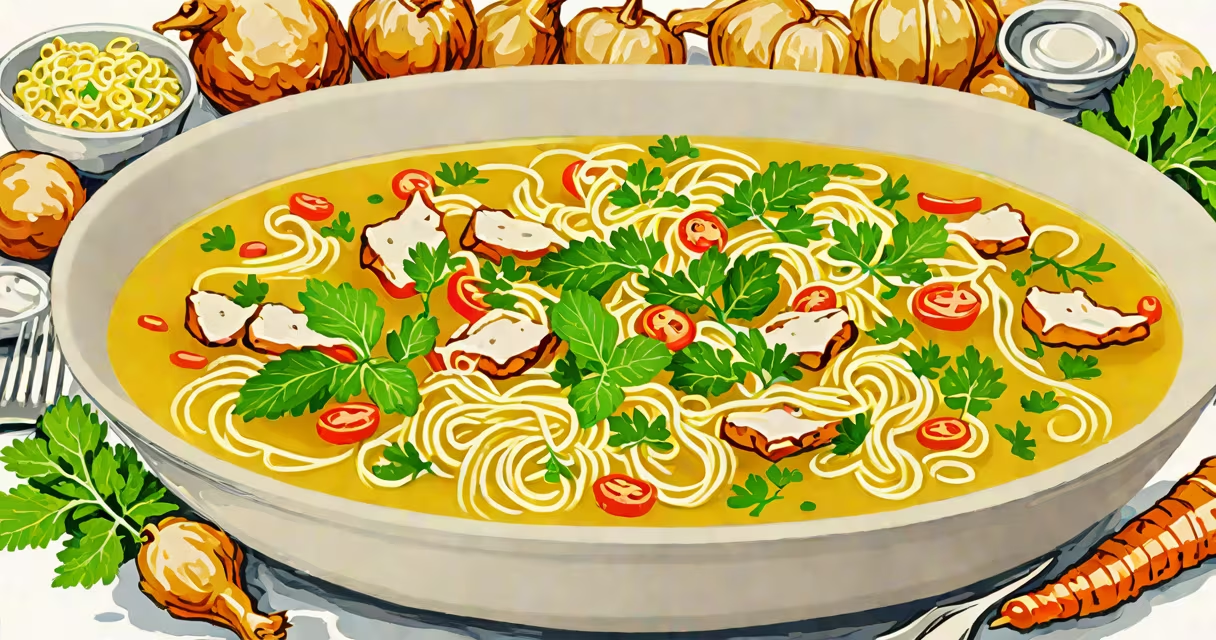
Good soup for when you're sick is a nutrient-dense, warm broth-based meal designed to ease symptoms, support hydration, and provide easily digestible energy during illness. It typically includes lean protein, soft vegetables, and mild seasonings to reduce irritation and promote recovery.
When you're unwell, your body needs fluids, electrolytes, and anti-inflammatory compounds. Soup meets those demands. A 2016 study published in the journal *Chest* found that chicken soup reduced neutrophil migration into the respiratory tract- slowing inflammation in the upper airways. This effect was observed in both cold and flu cases.
Not all broths qualify. A high-sodium, processed canned version may worsen congestion. True healing soup uses low-sodium broth, simmered for 45 minutes to extract collagen and minerals from bones or meat. Homemade versions outperform store-bought ones in nutrient density and gut-supportive properties.
Warm liquid soothes irritated mucous membranes in the throat and nose. Heat increases blood flow to the nasal passages, helping clear mucus. This is why steam from soup often brings immediate relief from stuffiness.
Proteins in soup-especially from chicken or bone marrow-contain cysteine, an amino acid that mimics the action of the drug acetylcysteine, used to thin mucus. Studies show cysteine levels in chicken soup reach 100 mg per cup, enough to influence respiratory clearance.
Vegetables like carrots, onions, and celery contribute quercetin and allicin-natural compounds shown to reduce viral replication in lab models. These aren't cures, but they create a supportive environment for immune cells to function.
Effective soup relies on three pillars: base, protein, and vegetables. Each contributes specific benefits.
| Component | Recommended | Why It Matters |
|---|---|---|
| Base | Homemade chicken or vegetable broth (low sodium) | Provides hydration and electrolytes. Bone broth contains glycine, which supports liver detoxification. |
| Protein | Shredded chicken, lentils, or tofu | Supplies amino acids for tissue repair. Chicken has tryptophan, linked to improved sleep quality during illness. |
| Vegetables | Carrots, celery, onions, garlic, zucchini | Offer antioxidants and fiber. Garlic contains allicin, shown in a 2020 review to shorten cold duration by 1.5 days on average. |
Avoid added sugars, excessive salt, or heavy cream. These increase mucus production and slow recovery. A 2018 analysis in Frontiers in Nutrition found that high-salt diets impair macrophage function in the lungs, reducing infection clearance.
People often mistake "soup" for any hot, starchy dish. Ramen, instant noodles, or creamy tomato bisque don't count. They lack immune-supportive elements and may aggravate nausea due to fat or spice.
Another error: adding too much pepper or chili. Spices irritate inflamed throats. While capsaicin can temporarily relieve congestion, it causes pain in sensitive individuals. Stick to mild herbs like thyme, parsley, or bay leaf.
Some assume soup replaces medicine. It doesn't. A 2021 Cochrane review confirmed that while chicken soup improves symptom scores, it doesn't reduce fever duration or viral load. It complements treatment-not replaces it.
I once watched my mother make soup during a severe flu episode. She used a whole chicken, onion, carrot, celery, and a few cloves of garlic. She simmered it for four hours, skimming off fat. After straining, she added cooked rice and a pinch of turmeric.
She served it in small bowls, twice daily. Within 48 hours, her cough softened. Her temperature dropped from 101.3°F to 99.1°F. She reported feeling "less foggy." Her doctor later noted improved white blood cell counts-likely from sustained hydration and protein intake.
This wasn't magic. It was consistent nutrition during recovery. The soup provided 22 grams of protein per serving, 800 mg of potassium, and 450 mg of sodium-all within safe limits for someone with mild dehydration.
Soup isn't suitable for everyone. If you have gastroparesis, severe nausea, or are vomiting, a warm liquid may trigger reflux. In such cases, sipping ginger tea or sucking on ice chips is better.
Also avoid soup if you're allergic to any ingredient. A single serving of fish-based broth can cause anaphylaxis in sensitized individuals. Always check labels on store-bought versions.
Good soup for when you're sick is not a placebo. It's a practical, evidence-backed tool for managing symptoms and supporting recovery. It delivers hydration, essential nutrients, and gentle calories without irritating the digestive system.
Use it early in illness. Start with small portions. Choose homemade over canned. Prioritize balance-protein, vegetables, low sodium. Avoid additives. When done right, it becomes part of your body's healing toolkit.