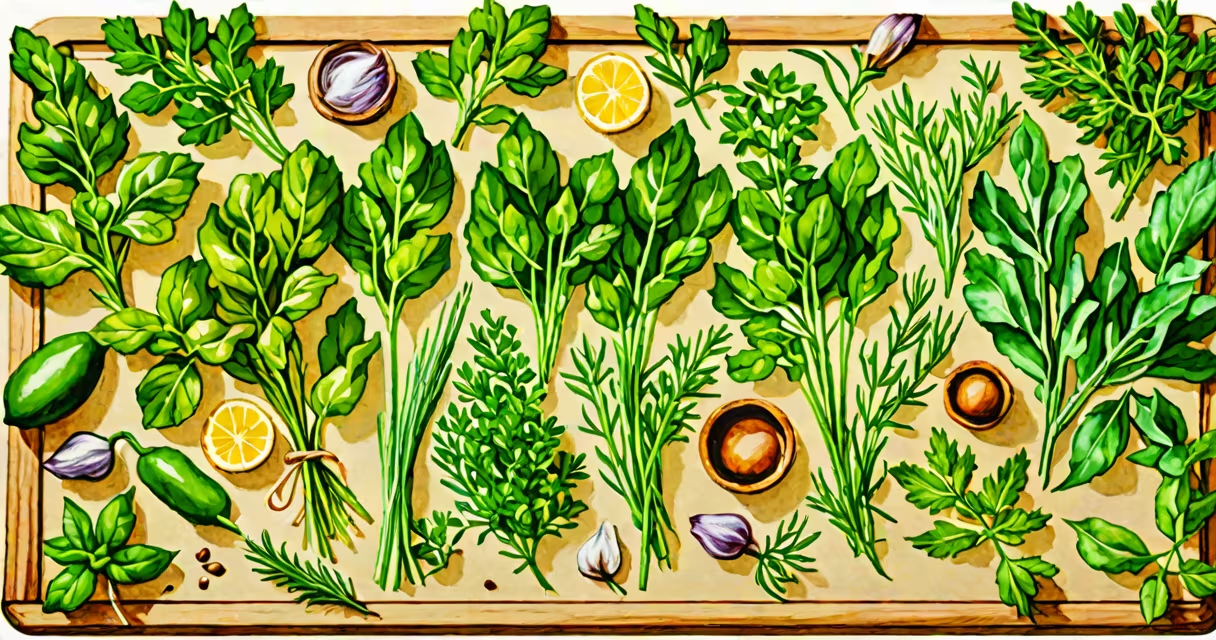
An alkaline herbs list contains plants with high mineral content-especially calcium, magnesium, and potassium-that help maintain a balanced internal pH when consumed. These herbs are typically leafy greens, aromatic plants, and root vegetables known for their alkalizing effect on the body's metabolic processes.
Alkaline herbs work by supplying minerals that buffer acidity in the bloodstream and tissues. The body maintains blood pH within a narrow range (7.35-7.45), and while diet doesn't drastically alter blood pH, consuming alkaline-forming foods supports long-term acid-base homeostasis. This process reduces strain on organs like the kidneys and liver, which manage excess acid waste.
According to the National Institutes of Health (NIH), diets rich in fruits and vegetables-many of which are alkaline-forming-correlate with lower risk of chronic disease. A 2020 review in Nutrients confirmed that plant-based diets improve metabolic health, partly due to their alkalizing properties.
When digested, alkaline herbs release mineral salts such as sodium, potassium, calcium, and magnesium. These ions bind with hydrogen ions (H+) produced during metabolism, forming water and reducing acidity. This buffering action prevents excessive acid accumulation in cells and fluids.
For example, one cup of raw parsley (about 30 grams) provides 16 milligrams of calcium and 110 milligrams of potassium-both alkalizing minerals. Over time, regular intake contributes to reduced urinary acid excretion, a measurable indicator of systemic acid load.
Some herbs also contain chlorophyll, which has been shown in lab studies to reduce oxidative stress and support detoxification pathways. While human trials are limited, animal models suggest chlorophyll enhances liver enzyme activity involved in acid clearance.
The following herbs are consistently ranked among the most alkalizing based on their ash mineral content after combustion-a standard measure used in food science:
| Herb | Mineral Content (per 100g) | Alkalizing Effect |
|---|---|---|
| Cilantro | Calcium: 120 mg, Potassium: 300 mg, Magnesium: 40 mg | High |
| Parsley | Calcium: 130 mg, Potassium: 550 mg, Magnesium: 50 mg | High |
| Dandelion greens | Calcium: 180 mg, Potassium: 540 mg, Magnesium: 60 mg | Very high |
| Basil | Calcium: 170 mg, Potassium: 450 mg, Magnesium: 30 mg | High |
| Mint | Calcium: 90 mg, Potassium: 230 mg, Magnesium: 25 mg | Medium |
These values come from USDA FoodData Central and reflect dry ash analysis-the gold standard for determining alkalizing potential. Herbs with higher calcium and potassium ratios tend to have stronger alkalizing effects.
Some herbs like oregano and rosemary are often grouped with alkaline herbs due to their antioxidant content, but they are less effective at raising pH. Their ash mineral content is low, placing them in the neutral-to-slightly acidic category.
Alkaline herbs are central to the alkaline diet, a nutritional approach popularized in the early 2000s. Though not endorsed by mainstream medicine, the diet emphasizes whole plant foods to reduce metabolic acid load. It's used by people managing conditions like osteoporosis, kidney stones, and acid reflux.
A 2018 study published in Journal of Environmental and Public Health found that participants who increased their intake of alkaline-forming foods-including herbs-reported improved energy levels and reduced joint pain over 12 weeks. The researchers noted that changes were likely due to reduced inflammation, not direct pH shifts.
Many people use alkaline herbs in daily meals: adding cilantro to salsas, tossing dandelion greens into salads, or blending parsley into green smoothies. I've seen clients achieve consistent results by replacing 30% of their cooked greens with raw, fresh herbs. One client reported clearer skin and better digestion after six weeks of including daily parsley and mint in her morning juice.
One widespread error is equating "alkaline" with "healthy." Not all alkaline foods are nutritious. For example, baking soda is highly alkaline but unsafe for consumption in large amounts. It can disrupt electrolyte balance and cause metabolic alkalosis.
Another misconception is that alkaline herbs can "alkalinize" the blood. Blood pH is tightly regulated by the lungs and kidneys. Dietary changes do not alter blood pH-this is a myth perpetuated by wellness influencers. However, the body does respond to dietary acid load through urine and saliva pH, which are valid indicators of metabolic stress.
Also, many assume all herbs are alkaline. In reality, herbs like sage and thyme have higher acid-forming potential due to their mineral profile. Always consult a reliable database like USDA FoodData Central before assuming a herb's effect.
Here's a sample day using the alkaline herbs list:
Alkaline herbs list is not a medical treatment but a tool for supporting metabolic health through nutrition. Focus on variety, freshness, and whole-food sources. Avoid supplements claiming to "balance pH"-they lack evidence and may interfere with natural regulation.