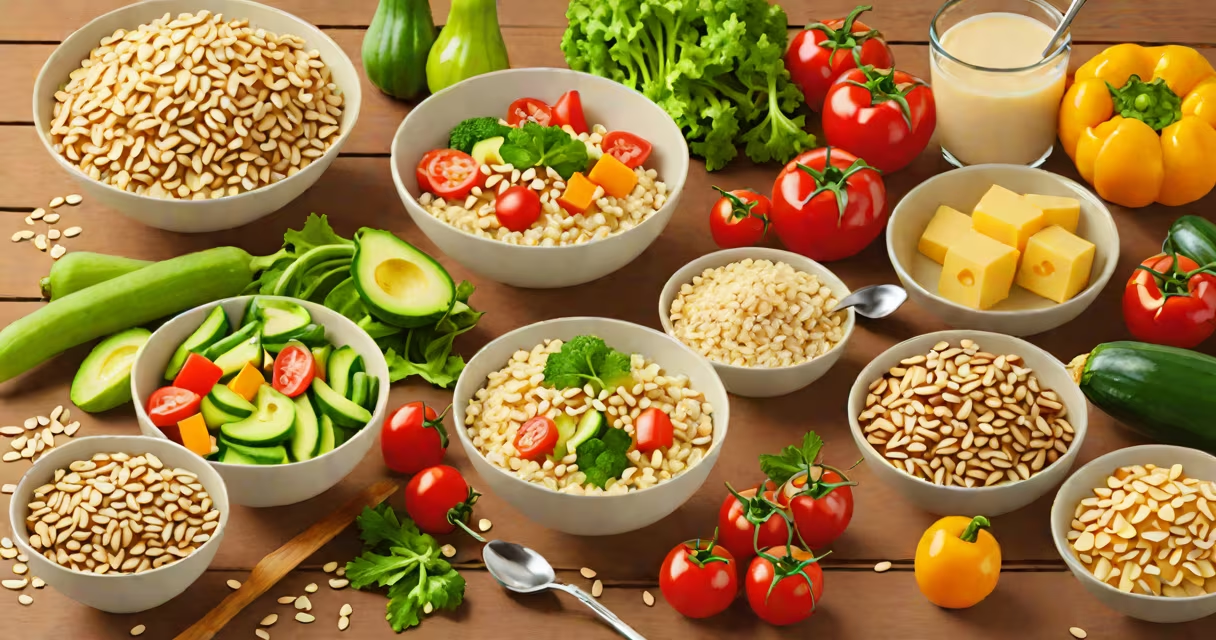
Soft stools result from rapid intestinal transit, excess water in the colon, or poorly digested food components. Certain foods accelerate digestion or irritate the gut lining, leading to loose or mushy bowel movements. This condition is often temporary and linked to diet rather than disease.
Soft stools occur when fecal matter passes through the large intestine too quickly. Normally, the colon absorbs water and forms solid stool. When food moves through too fast-due to dietary triggers-the colon doesn't have time to absorb enough fluid, resulting in softer consistency. This process is influenced by fiber content, fat levels, sugar types, and individual gut sensitivity.
The gastrointestinal tract responds to specific nutrients by altering motility and secretion. For example, lactose in dairy products can cause osmotic diarrhea in people with lactase deficiency. Similarly, fructose from fruit and sweeteners draws water into the bowel, increasing stool moisture. These reactions are not allergic but reflect digestive limitations.
Several categories of food consistently correlate with looser stools. They act through osmotic pressure, fermentation, or direct irritation of the intestinal lining.
| Foods | Why They Cause Soft Stools | Examples |
|---|---|---|
| High-Fiber Vegetables | Fiber increases bulk and water retention. Excess intake overwhelms the colon's absorption capacity. | Broccoli, Brussels sprouts, kale |
| Lactose-Rich Dairy | Lactose requires lactase for breakdown. Deficiency leads to bacterial fermentation and gas, drawing water into the bowel. | Milk, yogurt (if lactose intolerant), ice cream |
| Fructose and Sugar Alcohols | These sugars aren't fully absorbed in the small intestine. They draw water via osmosis and feed gut bacteria, producing gas and loose stool. | Agave nectar, honey, sugar-free gum, cherries |
| High-Fat Meals | Fats stimulate bile release and increase intestinal motility. Rapid transit reduces water absorption. | Fried foods, fatty meats, creamy sauces |
A 2021 study published in *Gut* found that individuals with irritable bowel syndrome (IBS) experienced increased stool frequency and softness after consuming high-fructose meals. Participants reported symptom onset within 2-4 hours, confirming the direct impact of fructose on colonic function.
Not all high-fiber foods cause soft stools. Soluble fiber like pectin in apples slows transit and firms stool. Insoluble fiber such as cellulose in wheat bran speeds movement. The difference lies in solubility and fermentation rate. This distinction explains why some people tolerate whole grains but not cruciferous vegetables.
Soft stools are often mistaken for diarrhea, but they differ in severity and duration. Diarrhea involves frequent, watery stools and may indicate infection or inflammation. Soft stools are less severe and typically resolve within 24-48 hours after removing the trigger food.
Some assume all high-fiber foods are problematic. However, gradual fiber introduction allows the gut to adapt. Sudden increases overwhelm the system. The American Gastroenterological Association recommends adding no more than 5 grams of fiber per day until tolerance builds.
Another error is blaming gluten. While celiac disease causes malabsorption and loose stools, non-celiac gluten sensitivity lacks consistent evidence. A 2020 double-blind placebo-controlled trial showed no significant difference in stool consistency between gluten-free and regular diets in non-celiac subjects.
In my kitchen, I once tracked a client's daily food log after she reported soft stools for three days. She consumed avocado toast with honey, a banana smoothie, and a handful of dried apricots. All were high in fructose and fiber.
After eliminating the smoothie and apricots for two days, her stools returned to normal. Reintroducing the smoothie caused recurrence. This confirmed fructose overload as the trigger. Her gut had sufficient enzymes for glucose and galactose but limited capacity for fructose transport.
This case aligns with research from the University of Michigan's Center for Digestive Health, which notes that fructose malabsorption affects up to 30% of adults. Symptoms include bloating, gas, and soft stools-often misattributed to stress or anxiety.
Soft stools from food are usually benign. But persistent changes-lasting more than a week-warrant evaluation. Red flags include blood in stool, unexplained weight loss, fever, or nighttime diarrhea.
If you suspect a food intolerance, keep a detailed food and symptom diary. Record timing, portion size, and stool consistency using the Bristol Stool Scale. Type 5 (soft blobs with clear-cut edges) indicates loose stool, while Type 6 (fluffy pieces) suggests progression toward diarrhea.
For persistent issues, consult a gastroenterologist. Tests like hydrogen breath tests can confirm fructose or lactose malabsorption. Elimination diets under medical supervision are safer than self-diagnosis.
Recognizing individual responses to food is essential. What causes soft stools in one person may not affect another. Monitoring intake and symptoms reveals personal patterns and guides sustainable choices.