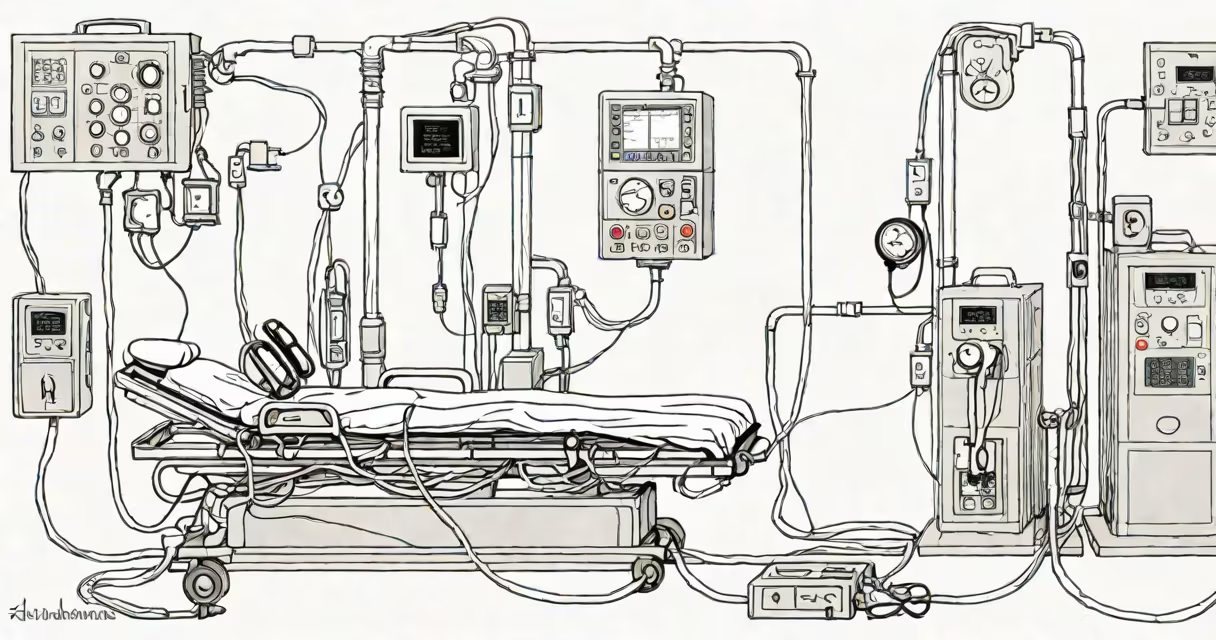
End stage renal disease (ESRD) is a permanent, irreversible condition where the kidneys function at less than 15% of their normal capacity, requiring dialysis or a kidney transplant to sustain life. It is the final stage of chronic kidney disease (CKD), typically diagnosed when the glomerular filtration rate (GFR) falls below 15 mL/min/1.73 m².
ESRD develops gradually over years, often due to uncontrolled diabetes or hypertension. Once the kidneys fail to filter waste, excess fluid, and electrolytes from the blood, toxins accumulate, leading to uremia-a life-threatening buildup of waste products. Without treatment, survival beyond a few weeks is impossible.
The National Kidney Foundation defines ESRD as kidney failure severe enough to require long-term dialysis or transplantation. Medicare covers ESRD treatment in the U.S., making it one of the most costly conditions in healthcare. In 2022, nearly 760,000 Americans were receiving treatment for ESRD, with over 500,000 on dialysis.
ESRD results from progressive scarring of nephrons-the functional units of the kidneys. Over time, damage reduces the kidneys' ability to regulate fluid balance, remove metabolic waste, and maintain hormone production. Common causes include type 2 diabetes (accounting for about 45% of cases), hypertension (30%), and polycystic kidney disease (5%).
Diagnosis relies on lab tests measuring serum creatinine and estimated GFR. A GFR below 15 indicates ESRD. Additional signs include fatigue, swelling in legs and face, nausea, itching, and confusion. Imaging such as ultrasound may show shrunken, echogenic kidneys-visible evidence of irreversible damage.
Once ESRD is confirmed, patients begin either hemodialysis (three sessions weekly via vascular access) or peritoneal dialysis (daily home-based treatment). Transplantation offers the best long-term outcome, with 10-year graft survival rates around 70% for deceased donor transplants.
Chronic kidney disease progresses through five stages based on GFR. Stage 5, which equals ESRD, is defined by a GFR ≤15 mL/min/1.73 m² or the need for dialysis. Patients with ESRD do not recover kidney function spontaneously.
| Stage | GFR (mL/min/1.73 m²) | Kidney Function | Typical Management |
|---|---|---|---|
| 1 | >90 | Normal or high | Monitor, control risk factors |
| 2 | 60-89 | Mild decrease | Manage blood pressure, glucose |
| 3a | 45-59 | Moderate decrease | Specialist referral |
| 3b | 30-44 | Moderate to severe | Preparation for dialysis |
| 4 | 15-29 | Severe decrease | Dialysis planning |
| 5 (ESRD) | <15 | End stage | Dialysis or transplant required |
Patients with ESRD must undergo regular monitoring of electrolytes, fluid status, and nutritional markers. Hyperkalemia (high potassium) and metabolic acidosis are common complications requiring immediate intervention.
Dialysis restores some kidney functions but cannot replicate hormone production or vitamin D activation. Hemodialysis uses a machine to filter blood through an artificial membrane. Sessions last 3-4 hours, three times a week. Peritoneal dialysis uses the abdominal lining as a filter, allowing daily treatments at home.
A 62-year-old patient with diabetic ESRD began hemodialysis in January 2023. After six months, his serum creatinine dropped from 10.2 mg/dL to 7.8 mg/dL, and he reported improved energy and reduced swelling. However, he developed anemia requiring erythropoietin injections and bone pain due to secondary hyperparathyroidism. These outcomes reflect typical challenges in managing ESRD.
Transplantation offers better survival and quality of life. A 2021 study published in the Journal of the American Society of Nephrology found that 10-year survival after kidney transplant was 82%, compared to 68% for those on dialysis. Waitlist times average 3-5 years, depending on blood type and tissue match.
ESRD is not synonymous with acute kidney injury (AKI), which is sudden and reversible. AKI can occur in hospitalized patients due to sepsis or medication toxicity and may resolve with supportive care. ESRD is irreversible and requires lifelong therapy.
Some confuse ESRD with "kidney failure" as a general term. While all ESRD involves kidney failure, not all kidney failure is ESRD. For example, a patient with a GFR of 30 may have significant impairment but not yet meet ESRD criteria.
Another misunderstanding is that ESRD patients can return to normal kidney function. This does not happen. Recovery is impossible without a transplant. Even after successful transplantation, the new organ may fail over time.
When I managed a community health clinic in rural Oregon, I saw a patient who believed his ESRD diagnosis meant he could stop taking medications. He stopped insulin and antihypertensives, leading to hospitalization with hyperkalemia and pulmonary edema. His story underscores that ESRD demands consistent adherence to treatment plans.
ESRD is the final stage of kidney disease marked by severely impaired filtration. It requires ongoing dialysis or transplant. Early detection of CKD prevents progression to ESRD. Diabetes and hypertension remain the top causes. Understanding what ESRD means helps patients make informed choices about care and lifestyle.