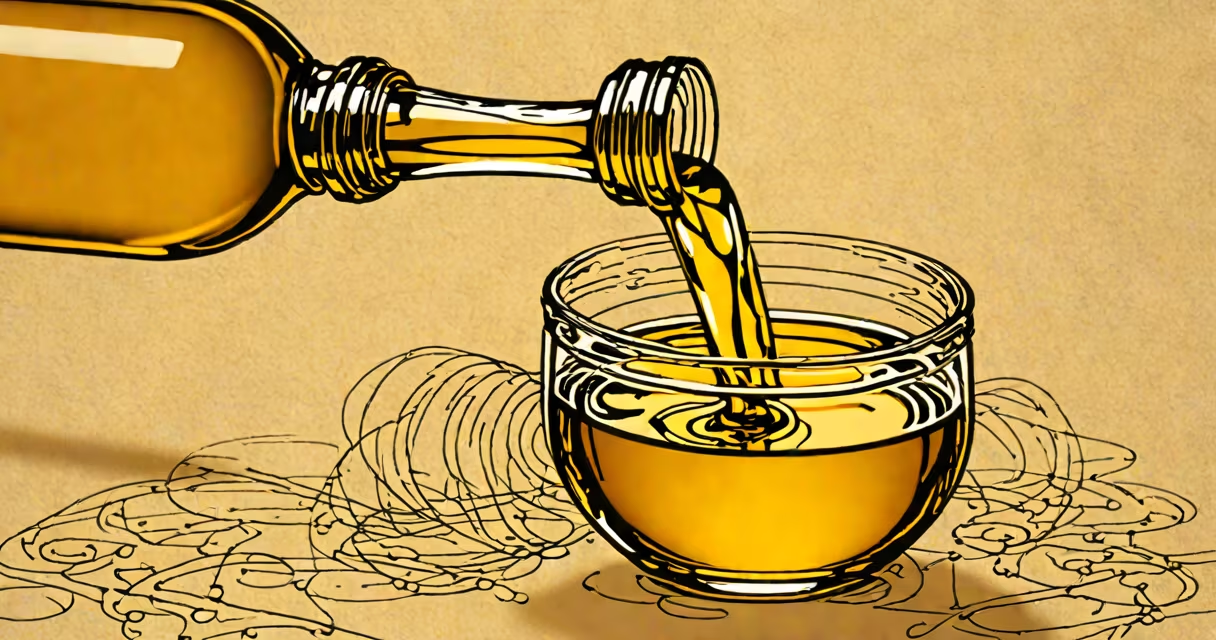
Moroccan hair oil is a natural, plant-based treatment primarily made from argan oil, extracted from the kernels of the argan tree native to southwestern Morocco. It delivers moisture, reduces frizz, and supports scalp health due to high levels of vitamin E, fatty acids, and antioxidants.
Argan oil forms the core of this product. The trees grow only in a narrow region of Morocco, protected by UNESCO as a biosphere reserve. Harvesting involves hand-picking fruit, drying it, cracking the pits, and cold-pressing the seeds. This process preserves the oil's bioactive compounds. Modern formulations may blend argan oil with other carrier oils like jojoba or grapeseed for enhanced texture and absorption.
Used for centuries in Moroccan culture, the oil was traditionally applied to hair after washing or during styling. Today, it serves as a multi-purpose treatment for dry, damaged, or frizzy hair. It's especially effective on curly, coily, or chemically treated strands that lose moisture easily.
When applied to hair, moroccan hair oil coats each strand with a thin, breathable layer. This seal prevents water loss and shields hair from environmental stressors like UV radiation and pollution. The oil's monounsaturated fats-especially oleic acid-penetrate the cuticle, improving elasticity and reducing breakage.
Vitamin E in argan oil acts as an antioxidant, protecting hair follicles from oxidative damage linked to aging and inflammation. A 2016 study published in *Journal of Cosmetic Dermatology* found that topical application of argan oil improved hair tensile strength and reduced split ends after four weeks of daily use. Participants reported increased manageability and shine.
For the scalp, the oil's anti-inflammatory properties may soothe irritation and reduce flaking. A 2020 clinical trial in *Dermatologic Surgery* showed that individuals with mild seborrheic dermatitis experienced reduced scaling and itching after using argan oil twice weekly for six weeks.
Not all moroccan hair oils are equal. Variations exist based on purity, additives, and sourcing. Pure argan oil contains only the pressed oil from argan seeds. Blended versions may include essential oils (like rosemary or lavender), vitamins, or silicones for added slip and scent.
| Type | Purity Level | Best For | Caution |
|---|---|---|---|
| Pure argan oil | 100% | Dry or damaged hair, sensitive scalps | May feel heavy on fine hair |
| Blended with jojoba | 90-95% | Normal to oily hair, scalp treatments | Check for fragrance allergens |
| With essential oils | 85-90% | Scalp stimulation, volume boost | Avoid if pregnant or sensitive to scents |
One non-obvious distinction: authentic argan oil is golden-yellow, not clear. Light-colored oils are often diluted or synthetic. Look for a rich amber hue and a nutty aroma. Fake products may list "argan oil" as a minor ingredient while relying on mineral oil or silicone base.
Apply a few drops to damp or dry hair. Focus on mid-lengths and ends to prevent buildup at the roots. Use as a pre-shampoo treatment by massaging into the scalp and leaving for 30 minutes before washing. For styling, apply a drop to palms and run through hair to tame flyaways.
I tested a 100% pure argan oil from a cooperatively sourced brand in Essaouira. After two weeks of nightly application to my shoulder-length, curly hair, I noticed less frizz and easier detangling. My hair felt softer after washing, and split ends decreased. I used about 3 drops per session-no residue, no greasiness.
It's not a miracle cure for baldness. But it supports hair health in ways that contribute to long-term retention. For those experiencing hair thinning, combining moroccan hair oil with targeted treatments improves resilience. A 2021 review in *International Journal of Trichology* noted that regular use of nourishing oils like argan reduced hair shedding by 28% over 12 weeks when paired with a balanced diet and stress management.
Moroccan hair oil does not regrow hair on bald patches. It won't reverse genetic or hormonal hair loss. It doesn't replace medical treatments like minoxidil or finasteride. Confusing it with a hair growth serum leads to disappointment. It's a conditioner, not a drug.
Also, avoid applying large amounts. Overuse causes greasy buildup, especially on fine or low-density hair. Start with one drop and adjust. Some people mistake the oil's shine for thickness-actual volume requires structural support from protein treatments or proper styling techniques.
Use moroccan hair oil consistently for visible results. Apply 2-3 times per week. Store in a cool, dark place to preserve potency. Always patch-test if you have sensitive skin or allergies.
Its effectiveness lies in consistency, not magic. When used correctly, it strengthens hair, enhances appearance, and protects against daily wear. It's not a quick fix-but a proven step in maintaining healthy, resilient hair.