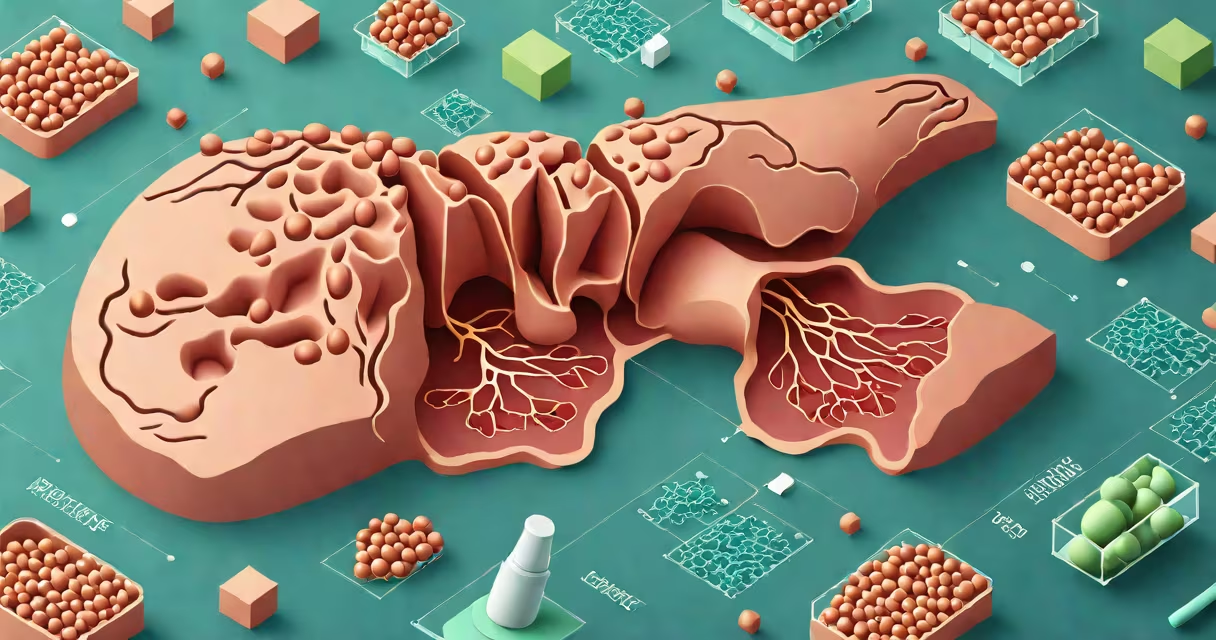
Hepatitis C is a viral infection that attacks the liver, causing inflammation, scarring, and long-term damage. Left untreated, it can lead to cirrhosis, liver failure, and hepatocellular carcinoma. The virus persists in 75% of infected people without treatment, making early diagnosis critical.
The virus enters liver cells and replicates, triggering immune responses that cause tissue injury. Over time, this leads to fibrosis-excess scar tissue replacing healthy liver function. The progression varies widely, but most cases develop slowly over decades. The Centers for Disease Control and Prevention (CDC) estimates that 75% of people with hepatitis C remain undiagnosed due to asymptomatic early stages.
Many people feel normal for years after infection. Symptoms typically appear only when significant liver damage has occurred. This delay allows irreversible harm to progress unnoticed. The American Liver Foundation notes that up to 80% of those with advanced disease report fatigue, jaundice, or abdominal swelling-signs of established dysfunction.
When hepatitis C virus (HCV) infects hepatocytes, it hijacks cellular machinery to replicate. The immune system responds by sending inflammatory cells to the liver, which release cytokines that damage surrounding tissue. Repeated cycles of infection and immune reaction result in fibrosis-abnormal connective tissue deposition.
Fibrosis progresses through stages: F0 (no fibrosis), F1 (mild), F2 (moderate), F3 (severe), and F4 (cirrhosis). Fibrosis stage F4 indicates irreversible structural change. A 2020 study in *Gastroenterology* found that 20% of patients with chronic HCV developed cirrhosis within 20 years of infection, even without alcohol use.
Cirrhosis reduces the liver's ability to detoxify blood, produce proteins, and regulate metabolism. Complications include ascites (fluid buildup in the abdomen), variceal bleeding (ruptured veins in the esophagus), and hepatic encephalopathy (brain dysfunction due to toxin accumulation). These conditions require urgent medical intervention.
Hepatitis C does not affect only the liver. The virus circulates in the bloodstream and can trigger autoimmune-like reactions. Extrahepatic manifestations occur in 30-50% of patients, including cryoglobulinemia, glomerulonephritis, and sicca syndrome (dry eyes and mouth).
Cryoglobulinemia results from abnormal antibodies that precipitate in cold temperatures. It causes purpura (purple skin lesions), joint pain, and neuropathy. A 2019 review in *The Lancet Gastroenterology & Hepatology* reported that 10% of HCV-positive individuals develop symptomatic cryoglobulinemic vasculitis, often requiring immunosuppressive therapy.
Metabolic changes also occur. Insulin resistance increases in HCV-infected patients, raising type 2 diabetes risk. A 2021 cohort study in *Clinical Infectious Diseases* showed that HCV-positive individuals had a 1.6-fold higher incidence of diabetes compared to uninfected controls, independent of obesity or lifestyle factors.
Many assume hepatitis C causes immediate symptoms. In reality, 70% of acute infections are asymptomatic. Symptoms like fever, nausea, or dark urine may appear weeks after exposure but are easily mistaken for flu or food poisoning.
Another misconception is that alcohol use is required for liver damage. While alcohol accelerates disease, HCV alone causes fibrosis in 20-30% of patients over 10 years. The National Institutes of Health confirms that HCV-related cirrhosis occurs independently of alcohol consumption.
Some believe treatment cures all damage. Antiviral therapy clears the virus in over 95% of cases, but existing fibrosis may not reverse. A 2022 study in *Hepatology* found that 40% of patients with prior cirrhosis still had detectable fibrosis markers after sustained virologic response (SVR), indicating ongoing risk.
A 52-year-old man with no history of alcohol use was diagnosed with hepatitis C during a routine blood test. He reported fatigue and occasional joint pain for six months but dismissed them as stress-related. His ALT level was 120 U/L (normal: 7-56), and ultrasound revealed moderate fibrosis (F2).
He underwent 12 weeks of sofosbuvir/velpatasvir therapy. Viral load dropped to undetectable levels. Follow-up imaging at 6 months showed no further fibrosis progression. However, his liver stiffness measurement remained elevated, indicating residual fibrosis. He continues monitoring for complications.
This case illustrates how silent progression can lead to irreversible damage. Early screening prevents late-stage outcomes. The CDC recommends one-time testing for all adults aged 18-79, especially those born between 1945 and 1965, who have a 3.5% prevalence rate.
| Stage | Fibrosis Level | Common Symptoms | Risk of Progression |
|---|---|---|---|
| F0-F1 | No or mild scarring | None or mild fatigue | Low (0.5% per year) |
| F2-F3 | Moderate to severe scarring | Fatigue, bloating, mild jaundice | Moderate (2-3% per year) |
| F4 (Cirrhosis) | Extensive scarring, nodular liver | Ascites, confusion, bleeding, weight loss | High (5-10% per year to decompensation) |
Understanding the effects of hepatitis C begins with recognizing that the virus operates silently. By the time symptoms emerge, significant damage may have occurred. Early detection through blood tests enables curative treatment and halts disease progression.