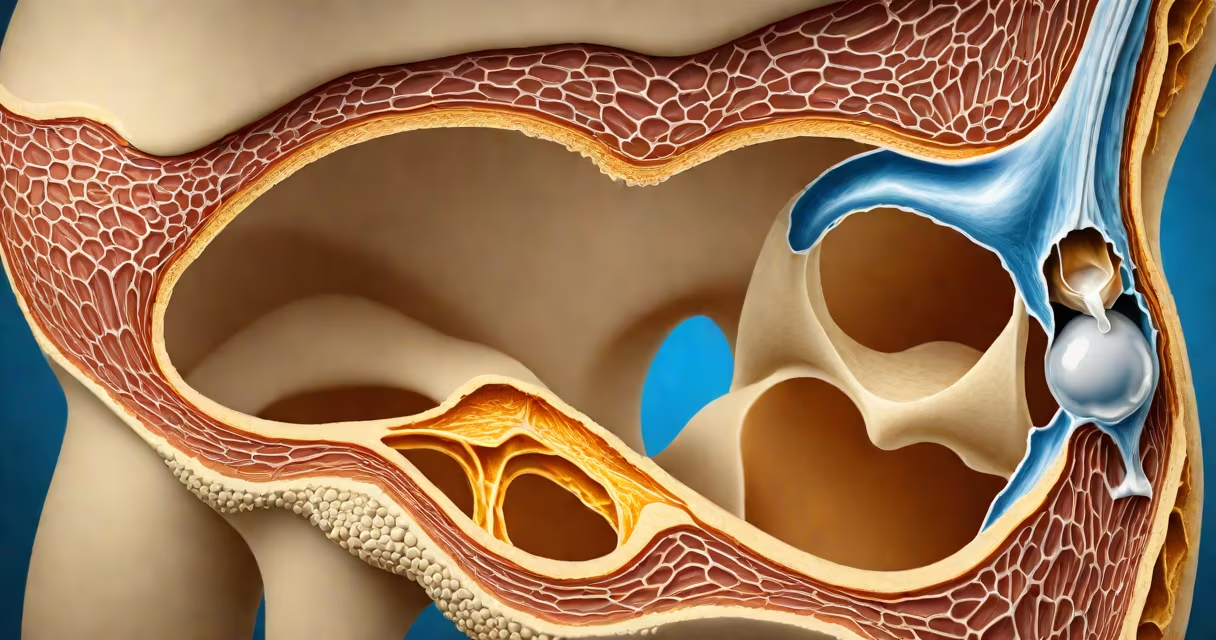
Synovial fluid is a viscous, clear liquid produced by the synovial membrane lining joint capsules. It reduces friction between bones, nourishes cartilage, and absorbs mechanical stress during movement. This fluid maintains joint integrity and enables smooth, pain-free motion.
Produced continuously by the synovium-the specialized connective tissue that lines joint cavities-synovial fluid acts as both a lubricant and a nutrient delivery system. Its composition changes dynamically based on joint activity and health status. Without it, daily movements like walking or lifting would cause rapid wear and tear on joint surfaces.
Each major joint-knees, hips, shoulders, and ankles-contains synovial fluid within a closed space. The volume varies: a healthy knee joint holds about 1-2 milliliters, while larger joints like the hip may hold up to 5 mL. The fluid's consistency mimics honey, allowing it to flow under pressure yet retain structure during compression.
When you move, the joint surface deforms slightly. Synovial fluid responds by shifting from a gel-like state to a thinner, flowing form. This property-called non-Newtonian viscosity-means it thickens under sudden load (like landing from a jump) and thins during slow motion (like turning your wrist).
This dual behavior protects cartilage. During high-impact activities, the fluid becomes stiff, distributing force evenly across the joint. During rest or low-motion phases, it flows freely, delivering oxygen and nutrients to avascular cartilage. Cartilage lacks blood vessels and depends entirely on synovial fluid for sustenance.
A study published in *Arthritis & Rheumatology* found that synovial fluid from healthy individuals contains higher concentrations of hyaluronic acid and lubricin-proteins critical for boundary lubrication. In osteoarthritis patients, these levels drop, increasing wear on joint surfaces.
Synovial fluid is primarily water (about 98%), with dissolved proteins, sugars, ions, and trace cells. Key components include:
| Component | Role | Normal Range |
|---|---|---|
| Hyaluronic acid | Lubrication, shock absorption | 10-20 mg/mL |
| Lubricin (PRG4) | Reduces surface friction | Present in healthy fluid |
| Glucose | Nutrient for cartilage cells | Approx. 60-80 mg/dL |
| White blood cells | Immune surveillance | <200 cells/μL |
There are no distinct "types" of synovial fluid, but its quality varies with joint health. Healthy fluid is clear and viscous. In inflammation or injury, it becomes thinner and may appear cloudy due to increased cell count or protein leakage.
Pathological changes in synovial fluid are detectable through joint aspiration-a medical procedure where fluid is drawn with a needle. Clinicians analyze color, clarity, viscosity, and cellular content to diagnose conditions like gout (crystals in fluid), septic arthritis (bacteria), or rheumatoid arthritis (elevated inflammatory markers).
Synovial fluid functions in all diarthrodial joints-those capable of free movement. These include ball-and-socket joints (hip, shoulder), hinge joints (elbow, knee), and pivot joints (neck vertebrae). The fluid fills the joint cavity, separating bone ends and enabling smooth articulation.
Its protective role extends beyond mechanics. Synovial fluid contains cytokines and enzymes that regulate immune activity within the joint. It helps remove metabolic waste from cartilage and modulates inflammation. Chronic inflammation disrupts this balance, leading to degradation of joint structures.
A real-world example: runners often report reduced joint stiffness after long runs. This improvement correlates with increased synovial fluid production during activity. The fluid washes away debris and delivers anti-inflammatory agents, reducing post-exercise soreness.
Many assume synovial fluid is simply "joint oil." That's incorrect. Unlike engine oil, which is synthetic and static, synovial fluid is biologically active and constantly renewed. It's not stored-it's made on demand by the synovium.
Another myth: "More fluid means better joint health." Not true. Excess fluid-known as effusion-is a sign of pathology. Swelling in the knee (common in osteoarthritis or meniscus tears) results from overproduction or poor drainage of synovial fluid. The excess causes pain and limits motion.
Even the term "synovial fluid" can mislead. Some think it's secreted by the bone or cartilage. But it originates solely from the synovial membrane. A 2021 review in *Nature Reviews Rheumatology* emphasized that synovial fluid is not a passive lubricant but an active participant in joint homeostasis.
In 2019, a 62-year-old woman presented with progressive knee pain and stiffness. MRI showed early osteoarthritis. Joint aspiration revealed thin, watery fluid with 150 white blood cells/μL and low hyaluronic acid levels. Diagnosis: degenerative joint disease with impaired synovial fluid quality.
Treatment included intra-articular injections of hyaluronic acid (viscosupplementation). After three weekly injections, her pain decreased by 60%, and joint function improved. The injected hyaluronic acid restored viscosity, mimicking healthy synovial fluid.
This case illustrates that synovial fluid isn't just a passive buffer-it's a therapeutic target. When natural production fails, synthetic replacements can restore function.
I once observed a physical therapy lab test synovial fluid viscosity using a micro-pipette and stopwatch. A sample from a healthy donor formed a bead that took 12 seconds to stretch 1 cm. A sample from a patient with rheumatoid arthritis stretched in under 3 seconds-indicating poor viscoelasticity. The difference was visible and measurable.
That experiment confirmed what research shows: synovial fluid quality directly impacts joint performance. You can't replace it with exercise alone. But you can support its function through diet, hydration, and targeted therapies.
Synovial fluid is often confused with cerebrospinal fluid (CSF), which surrounds the brain and spinal cord. Both are clear, viscous fluids, but CSF is produced by the choroid plexus and serves neurological protection-not joint function. They differ in composition, location, and purpose.
Also, synovial fluid is not the same as synovial membrane. The membrane is the tissue that produces the fluid. Think of it this way: the membrane is the factory, and the fluid is the product.
Understanding what synovial fluid does reveals its role in mobility, longevity, and joint resilience. It's not just a cushion-it's a changing, living component of human movement.