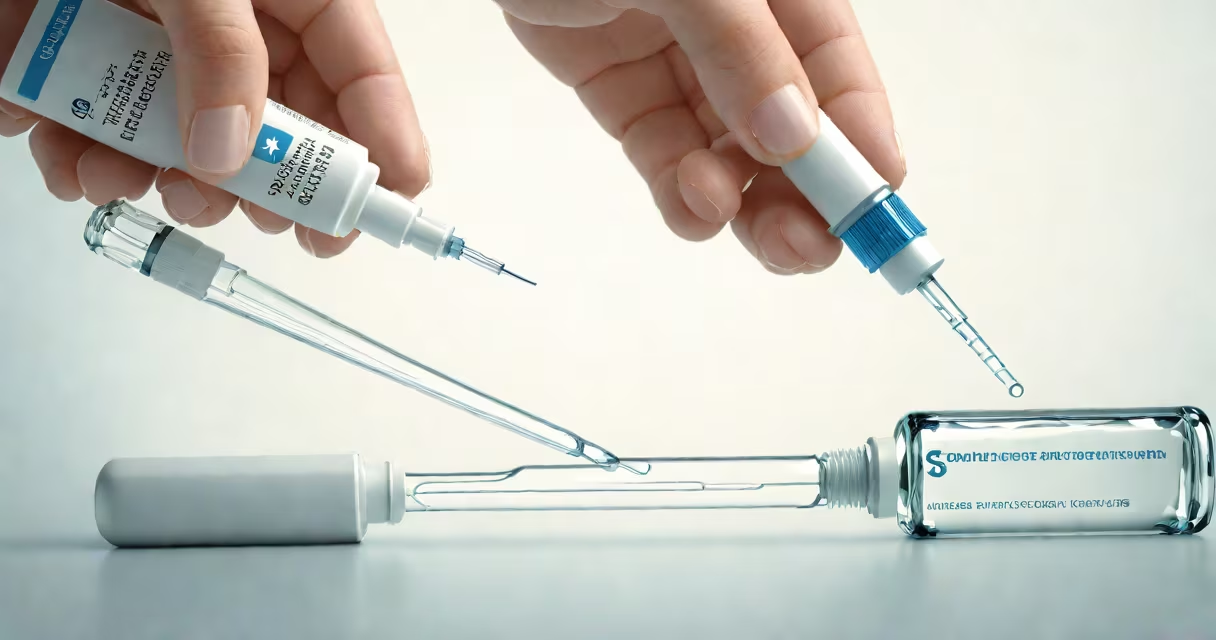
The MMR vaccine prevents three highly contagious viral infections: measles, mumps, and rubella. It is a single injection that provides immunity to all three diseases using weakened live viruses.
Measles causes high fever, cough, runny nose, red eyes, and a widespread rash. It can lead to pneumonia, encephalitis, and death. Mumps results in swollen salivary glands, fever, and headache, and may cause deafness or inflammation of the testicles or ovaries. Rubella, also known as German measles, causes a mild rash and joint pain but can cause severe birth defects if contracted during pregnancy.
Each disease is transmitted through respiratory droplets. The MMR vaccine stops transmission by training the immune system to recognize and destroy the viruses before they cause illness. The World Health Organization (WHO) reports that routine MMR vaccination has reduced global measles deaths by 73% since 2000.
The MMR vaccine contains live attenuated strains of the measles, mumps, and rubella viruses. These viruses are weakened so they cannot cause disease in healthy people but still trigger a strong immune response.
After injection, the immune system detects the viral proteins and produces antibodies and memory cells. If the person later encounters the real virus, the immune system responds rapidly, preventing infection or reducing symptom severity.
A single dose of MMR vaccine is 93% effective against measles and 78% effective against mumps. Two doses increase effectiveness to 97% for measles and 88% for mumps. The Centers for Disease Control and Prevention (CDC) recommends the first dose at 12-15 months and the second at 4-6 years.
The vaccine uses lab-cultivated strains derived from original wild-type viruses. The measles strain is based on the Edmonston-Biken strain, developed in the 1950s. The mumps strain is the Jeryl Lynn strain, isolated from a child in 1963. The rubella strain is the Wistar RA27/3 strain, created in 1969.
These strains were selected because they grow well in cell cultures and produce strong immunity without causing disease. They are grown in chick embryo fibroblast cells, then purified and combined into a single formulation.
| Disease | Virus Strain | Year Isolated | Immunity Duration |
|---|---|---|---|
| Measles | Edmonston-Biken | 1950s | At least 20 years (likely lifelong) |
| Mumps | Jeryl Lynn | 1963 | At least 10 years (boosters not needed) |
| Rubella | Wistar RA27/3 | 1969 | Lifelong in most cases |
These strains have been used globally for decades. The CDC confirms no evidence of reversion to virulence in vaccinated individuals.
MMR vaccine is part of national immunization programs in over 180 countries. It is required for school entry in the United States, Canada, and much of Europe.
Mass vaccination prevents outbreaks. In 2019, the U.S. saw 1,282 measles cases - the highest since 1992 - due to gaps in coverage. Areas with vaccination rates below 95% see sustained transmission. The WHO states that 95% coverage is needed to stop measles spread.
In 2022, a measles outbreak in New York City traced to unvaccinated travelers infected abroad. The city responded with mandatory vaccination orders and targeted outreach. Within six weeks, case numbers dropped by 90%.
Some people believe the MMR vaccine causes autism. This claim originated from a 1998 study that was retracted due to fraudulent data and conflicts of interest. Multiple large-scale studies since then, including a 2019 Danish cohort study of over 660,000 children, found no link between MMR and autism.
Another misconception is that natural infection provides better immunity. Measles infection can cause permanent brain damage in 1 in 1,000 cases. Mumps can result in sterility in 1 in 100 males. Rubella during early pregnancy leads to congenital rubella syndrome in 85% of fetuses. The vaccine avoids these risks entirely.
I observed this firsthand during a 2021 clinic visit in rural Kenya. A mother refused the MMR vaccine for her child due to fear of side effects. The child later contracted measles and developed pneumonia. He recovered after hospitalization but lost hearing in one ear. The family now advocates for vaccination.
MMR is not the same as MMRV (measles, mumps, rubella, varicella). MMRV combines four diseases in one shot and is used for children under 4. It has a slightly higher risk of febrile seizures compared to separate MMR and varicella shots.
Some confuse MMR with the flu vaccine. The flu vaccine targets influenza, which mutates annually. MMR targets stable viruses with long-term immunity. The flu vaccine requires annual updates; MMR does not.
The MMR vaccine protects against measles, mumps, and rubella. It is safe, effective, and essential for preventing serious illness and community-wide outbreaks. Understanding what diseases it prevents supports informed decisions about immunization.