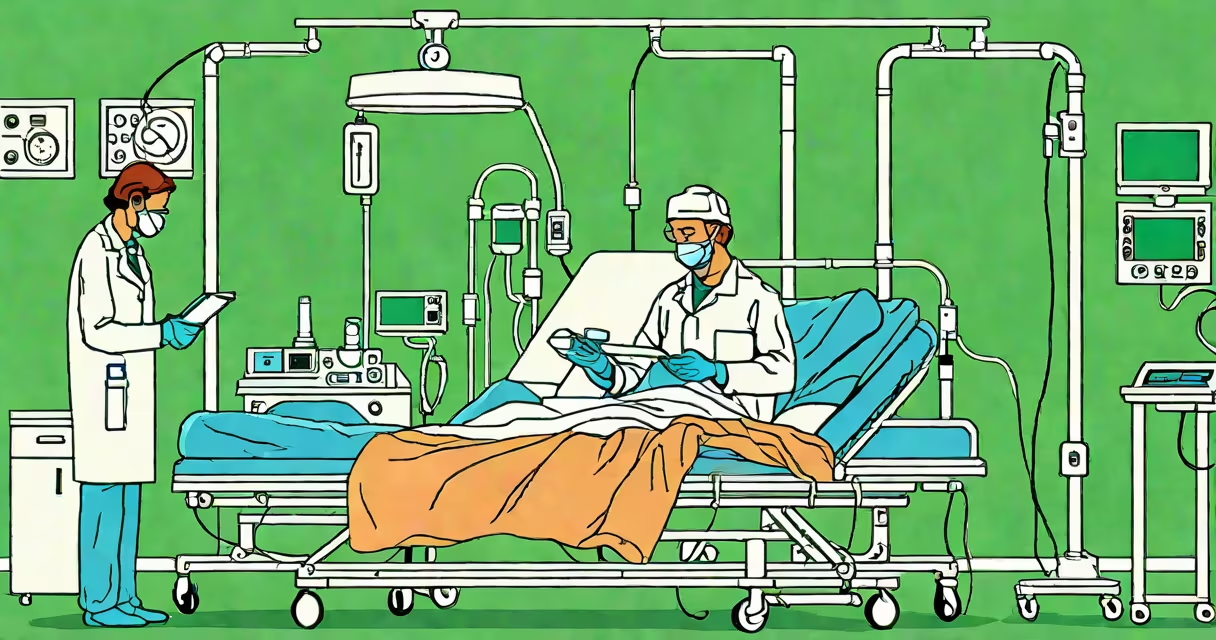
The procedure for bone marrow transplant involves collecting hematopoietic stem cells from a donor or the patient's own body, administering high-dose chemotherapy or radiation to destroy diseased bone marrow, then infusing the healthy stem cells to regenerate blood-forming tissues. This process treats cancers like leukemia, lymphoma, and multiple myeloma, as well as inherited blood disorders such as sickle cell disease and severe combined immunodeficiency.
Bone marrow transplant is not a single event but a multi-phase medical intervention spanning weeks to months. The core goal is to replace dysfunctional or cancerous blood cell production with healthy stem cells capable of generating red blood cells, white blood cells, and platelets indefinitely. The procedure is performed under strict sterile conditions in specialized transplant centers accredited by the Foundation for the Accreditation of Cellular Therapy (FACT).
According to the National Cancer Institute, over 20,000 allogeneic and autologous transplants are performed annually in the U.S., with survival rates exceeding 60% for eligible patients with acute leukemia. Success depends on matching human leukocyte antigen (HLA) types between donor and recipient, minimizing graft-versus-host disease (GVHD)-a major complication where donor immune cells attack the recipient's organs.
The procedure begins with a thorough evaluation to confirm eligibility. Patients undergo cardiac, pulmonary, and renal function tests, and imaging to assess organ health. A donor match is confirmed through HLA typing, which compares genetic markers on white blood cells. Siblings have a 25% chance of being a perfect match; unrelated donors are identified via national registries like Be The Match.
Once matched, the stem cell collection phase starts. For allogeneic transplants, donor stem cells are harvested via peripheral blood stem cell (PBSC) apheresis-a non-surgical outpatient procedure. Donors receive filgrastim (G-CSF) injections for 4-5 days to mobilize stem cells into the bloodstream. During apheresis, blood is drawn from one arm, passed through a machine that separates stem cells, and returned through the other arm. The process takes 4-6 hours and yields 5-10 million CD34+ cells per kilogram of recipient weight.
For autologous transplants, the patient's own stem cells are collected before high-dose therapy. These cells are cryopreserved and later thawed for reinfusion. The collection phase typically requires two apheresis sessions spaced 24 hours apart.
The transplant itself occurs in three distinct phases: conditioning, infusion, and engraftment. Conditioning uses high-dose chemotherapy (e.g., cyclophosphamide and fludarabine) or total body irradiation (TBI) to eliminate diseased bone marrow and suppress the immune system. This phase lasts 3-7 days and causes severe side effects: mucositis, nausea, hair loss, and infection risk due to neutropenia.
Infusion follows on Day 0. Stem cells are thawed and administered intravenously over 30-60 minutes. The cells travel to the bone marrow cavities, where they begin to adhere and proliferate. Engraftment-the point at which new blood cells appear-is measured by rising neutrophil counts. Neutrophils cross 500/μL within 10-21 days post-infusion, signaling early recovery.
Recovery extends over months. Patients remain hospitalized for 2-4 weeks during initial engraftment and infection monitoring. After discharge, outpatient follow-up includes weekly blood tests, antiviral prophylaxis, and immunosuppressants to prevent GVHD. Full immune reconstitution may take 12-24 months.
Transplants fall into two categories: autologous and allogeneic. Autologous transplants use the patient's own stem cells. They are common in multiple myeloma and Hodgkin lymphoma. Because the patient is their own donor, rejection risk is near zero. However, residual cancer cells may be reinfused, increasing relapse risk.
Allogeneic transplants use donor cells. They offer a graft-versus-tumor effect-where donor immune cells attack remaining cancer cells-but carry higher risks. GVHD affects 30-50% of recipients, requiring long-term immunosuppression. Matched sibling donors yield better outcomes than unrelated donors, with 5-year survival rates of 65% versus 45%, respectively.
| Type | Source | Common Uses | Survival Rate (5-Year) | Risk of GVHD |
|---|---|---|---|---|
| Autologous | Patient's own cells | Multiple myeloma, lymphoma | 50-60% | Negligible |
| Allogeneic (matched sibling) | Related donor | Leukemia, SCID, Fanconi anemia | 65% | 30-40% |
| Allogeneic (unrelated donor) | Registry-matched donor | Same as above | 45% | 40-50% |
A non-obvious distinction: allogeneic transplants can be reduced-intensity (RIC) or myeloablative. RIC regimens use lower chemotherapy doses and are suitable for older patients or those with comorbidities. They rely on immune-mediated tumor control rather than complete marrow ablation. Myeloablative regimens aim for total marrow replacement and are standard for younger, healthier patients.
Many assume bone marrow transplants involve extracting marrow directly from the pelvic bone. While this was standard in the 1980s, modern transplants use PBSC apheresis in over 90% of cases. Harvesting marrow from the hip bone requires general anesthesia and causes significant pain, whereas apheresis is outpatient and less invasive.
Another misconception is that the procedure cures all blood cancers. The National Marrow Donor Program reports that relapse occurs in 20-40% of acute leukemia patients post-transplant. Long-term remission depends on minimal residual disease status before conditioning and effective post-transplant monitoring.
I observed a patient with acute myeloid leukemia who underwent an allogeneic transplant using a matched unrelated donor. Preconditioning included cytarabine and melphalan. Neutrophil engraftment occurred on Day 14. By Day 28, the patient developed grade II acute GVHD affecting the skin and gut. Immunosuppression with tacrolimus and prednisone stabilized symptoms. At 12 months, the patient remained in remission with full immune reconstitution.
Recovery timelines vary by transplant type. Autologous recipients typically resume normal activities within 3-6 months. Allogeneic recipients face longer delays due to immunosuppression and GVHD management. Fatigue, cognitive changes ("chemo brain"), and secondary cancers are reported in 10-15% of survivors five years post-transplant.
Long-term follow-up is essential. The Center for International Blood and Marrow Transplant Research (CIBMTR) recommends annual evaluations for metabolic syndrome, thyroid dysfunction, and infertility. Fertility preservation is advised before conditioning, especially in pediatric patients.