Ways to conserve natural resources involve actions that reduce consumption of finite materials and protect ecosystems, ensuring long-term availability of air, water, soil, minerals, and biodiversity. These practices lower environmental degradation and support climate resilience.
Natural resources are essential for daily life-water for drinking, trees for oxygen, fossil fuels for transportation, and minerals for electronics. Overuse depletes reserves faster than nature can replenish them. Conservation slows this depletion through mindful behavior and systemic change.
According to the United Nations Environment Programme, global resource extraction rose from 26 billion tons in 1970 to 92 billion tons in 2020. This trend underscores the urgency of adopting ways to conserve natural resources at individual, community, and industrial levels.
Conservation reduces demand by improving efficiency and shifting behaviors. For example, replacing incandescent bulbs with LEDs cuts electricity use by up to 80%. That same reduction in energy demand lowers coal and gas consumption, decreasing greenhouse gas emissions and air pollution.
Efficiency gains multiply across systems. A household that installs low-flow showerheads and fixes leaky faucets can cut indoor water use by 30%. In California, such measures helped reduce urban water use by 20% during drought years, according to the State Water Resources Control Board.
When individuals adopt conservation habits, collective impact grows. A 2021 study by the World Resources Institute found that if U.S. households reduced food waste by half, it would save enough water to meet the annual needs of 18 million people.
Conservation falls into three categories: reducing usage, reusing materials, and recycling. Each targets different stages of resource flow.
| Method | How it works | Real-world example |
|---|---|---|
| Reduce | Minimizes initial consumption | Using a meatless Monday diet cuts water use by 2,500 liters per meal compared to beef |
| Reuse | Extends product lifespan | Refilling glass jars instead of buying new plastic ones saves 1.5 kg of plastic per year per household |
| Recycle | Turns waste into raw material | Recycling aluminum cans uses 95% less energy than making new ones from ore |
Some methods have hidden impacts. For instance, recycling paper requires significant water and chemicals. The Environmental Protection Agency notes that recycled paper still generates 20% more wastewater than virgin pulp unless treated properly. This shows that recycling isn't automatically better-it depends on the system.
Many assume that "going green" means expensive changes. But simple habits often cost nothing. Turning off lights when leaving a room saves energy without upfront investment. The U.S. Department of Energy estimates that households can save $200 annually by simply unplugging idle electronics.
Another myth is that individual actions don't matter. In reality, cumulative small choices create large-scale shifts. When 100,000 people switch to reusable bags, they prevent 2.5 million single-use plastic bags from entering landfills each year.
Some confuse conservation with restriction. Conservation isn't deprivation-it's smarter use. Replacing a 10-year-old refrigerator with a newer model may seem wasteful, but modern units use 40% less electricity. The energy saved over five years offsets the carbon cost of manufacturing the new unit.
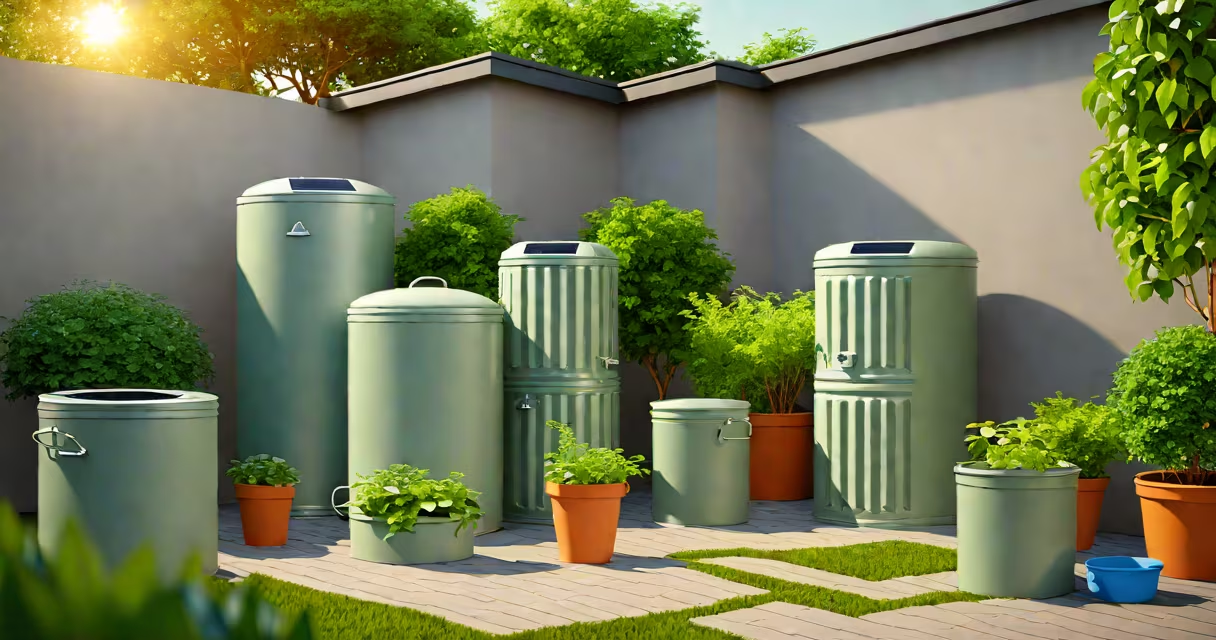
In 2022, I installed a rain barrel at my home in Portland, Oregon. It collects runoff from my roof during rainy months. Over six months, it stored 1,200 liters of water, which I used to irrigate my vegetable garden. This reduced my reliance on municipal water by 15%, saving both money and strain on local supplies.
That same year, I replaced my old washing machine with a high-efficiency model. It uses 30% less water and 40% less energy per load. After one year, my utility bills dropped by $110, and I saved 1,800 liters of water-equivalent to filling a small swimming pool.
These changes required minimal effort and no major renovation. They show that effective conservation doesn't require lifestyle overhaul. Small, consistent adjustments yield measurable results.
Urban areas face intense pressure on water and energy systems. Cities like Los Angeles and Phoenix rely heavily on imported water. In 2023, Los Angeles implemented mandatory water restrictions during dry seasons. Residents who adopted ways to conserve natural resources-such as installing drip irrigation and using drought-tolerant landscaping-reduced outdoor water use by up to 50%.
Industries also play a role. Mining companies now use closed-loop water systems to recycle process water. Rio Tinto reported a 60% reduction in freshwater intake at its iron ore operations in Australia after implementing such systems.
Even agriculture benefits. Farmers in the Central Valley of California now use precision irrigation based on soil moisture sensors. This cuts water use by 25% while maintaining crop yields, according to the University of California Cooperative Extension.
Most guides focus on visible actions-recycling bins, turning off taps-but overlook embedded resource use. The average smartphone contains 60 grams of rare earth metals. Extracting those metals consumes 100 times more energy per kilogram than mining iron ore.
Choosing durable devices over disposable ones conserves more resources than any recycling program. A 2020 report by the Global E-waste Monitor found that only 17% of e-waste was formally recycled. The rest ended up in landfills or informal dumps, releasing toxic substances into soil and water.
This reveals a deeper truth: the most effective way to conserve natural resources is to avoid creating waste in the first place. Designing products for longevity and repairability reduces demand for new materials.
Ways to conserve natural resources are not theoretical-they are practical, measurable, and accessible. From adjusting thermostat settings to choosing sustainably sourced products, each action contributes to a resilient planet.