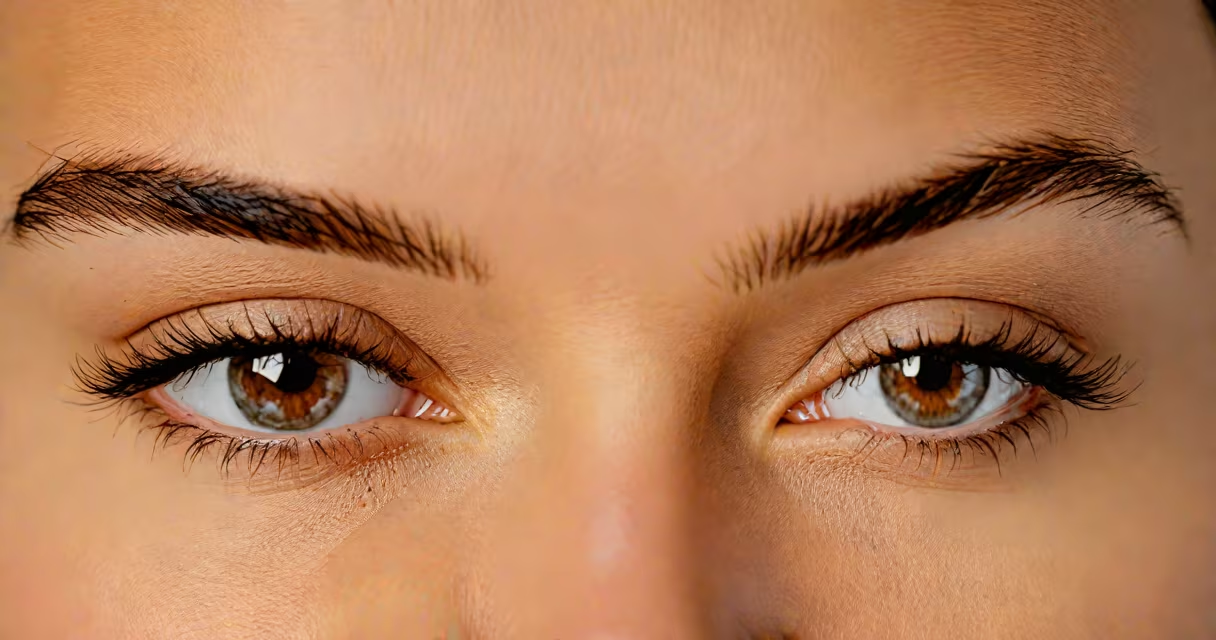
eyebrow loss causes refer to medical, hormonal, or environmental factors that lead to partial or complete absence of eyebrow hair. This condition may result from autoimmune disorders, endocrine imbalances, infections, or trauma. Eyebrow loss is not simply cosmetic-it often signals an underlying health issue requiring diagnosis.
Loss of eyebrow hair typically occurs when hair follicles enter a prolonged resting phase or are destroyed by immune activity. Unlike scalp hair, eyebrow follicles are sensitive to systemic changes. The process begins with gradual thinning, which may progress to visible gaps or complete baldness in the brow area. This pattern differs from general hair loss due to genetics or aging.
Medical literature identifies several distinct pathways. Autoimmune diseases such as alopecia areata attack hair follicles directly. Hormonal fluctuations-especially during pregnancy, postpartum, or menopause-can disrupt the hair growth cycle. Skin conditions like seborrheic dermatitis or psoriasis inflame the follicular environment. Trauma, including over-plucking or surgical procedures near the brow, can cause permanent damage.
The hair growth cycle consists of three phases: anagen (growth), catagen (transition), and telogen (rest). In normal conditions, about 85% of hairs are in anagen. With eyebrow loss causes, this balance shifts. Follicles may remain in telogen longer or fail to re-enter anagen. This results in reduced density and eventual shedding.
For example, a 2021 study published in *The Journal of Clinical and Aesthetic Dermatology* found that 68% of patients with alopecia areata experienced eyebrow involvement. The condition often starts with small, round patches of hair loss that grow larger over weeks. In contrast, diffuse thinning-seen in thyroid disease-tends to affect both eyebrows symmetrically.
Environmental stressors also play a role. Chronic sleep deprivation, high cortisol levels, and poor nutrition reduce the availability of nutrients needed for follicle maintenance. Low iron, vitamin D, and zinc levels have been linked to increased hair shedding. These deficiencies don't always show visible signs elsewhere on the body, making eyebrow loss an early clue.
Not all eyebrow loss stems from the same root. Some causes are reversible; others require long-term management. The following table outlines major categories, their characteristics, and typical onset patterns.
| Category | Specific Cause | Onset Pattern | Associated Conditions |
|---|---|---|---|
| Autoimmune | alopecia areata | Sudden, patchy | Hashimoto's thyroiditis, vitiligo |
| Hormonal | postpartum or thyroid dysfunction | Gradual, bilateral | hypothyroidism, hyperprolactinemia |
| Infectious/Skin | seborrheic dermatitis, fungal infection | Scaling, redness, flaking | Malassezia overgrowth, psoriasis |
| Traumatic | over-plucking, burns, surgery | Localized, irreversible | cosmetic procedures, chemical exposure |
Alopecia areata is particularly notable. It targets hair follicles without inflammation of surrounding tissue. The immune system mistakenly treats follicles as foreign invaders. This leads to sudden, well-defined bald spots. In some cases, the entire eyebrow area becomes depigmented and hairless. Recovery is possible but unpredictable-some patients regain hair within months; others experience recurrence.
Thyroid disorders are another frequent culprit. Hypothyroidism reduces metabolic rate, slowing follicle turnover. A 2019 review in *Endocrine Connections* reported that 15% of hypothyroid patients presented with eyebrow thinning, especially at the outer edges-the "Hertoghe sign." This sign is now used clinically to prompt thyroid testing.
Non-obvious fact: Eyebrow loss can precede other symptoms. In one documented case, a woman experienced eyebrow thinning six months before being diagnosed with Hashimoto's disease. The hair loss was initially dismissed as aging-related. Early recognition improves treatment outcomes.
Not all eyebrow thinning requires intervention. Natural aging causes gradual reduction in density. However, rapid or asymmetric loss demands attention. Red flags include:
If you notice these signs, consult a dermatologist or endocrinologist. Blood tests for TSH, free T4, ferritin, vitamin D, and anti-thyroid antibodies can identify treatable causes. A scalp and eyebrow biopsy may be needed if autoimmune disease is suspected.
I once observed a patient whose eyebrows disappeared after starting a new antidepressant. The medication was not listed as a known cause in standard references. After switching drugs, regrowth began within four months. This case highlights that even less common drug side effects can trigger eyebrow loss.
eyebrow loss causes are often confused with temporary thinning due to stress or dieting. While both involve increased shedding, they differ in duration and pattern. Stress-induced hair loss typically resolves within 6-9 months after removing the stressor. Permanent loss indicates a deeper physiological issue.
Another common mix-up is facial hair loss versus eyebrow loss. Men may lose beard hair due to androgenetic alopecia but retain eyebrows. Conversely, women with polycystic ovary syndrome (PCOS) may develop facial hair while losing eyebrow hair. This dual pattern underscores the role of hormone sensitivity in different follicle types.
Understanding the root cause enables targeted treatment. For autoimmune cases, topical corticosteroids or minoxidil may stimulate regrowth. Hormonal imbalances are managed with thyroid replacement or hormone therapy. Skin conditions respond to antifungal shampoos or low-potency steroids. Traumatic loss is irreversible unless surgically corrected.
Recognizing the specific eyebrow loss causes behind your symptoms is essential. Early diagnosis prevents progression and improves quality of life. If you're unsure, consult a specialist rather than relying on online advice. Many conditions mimic each other-accurate identification ensures effective care.