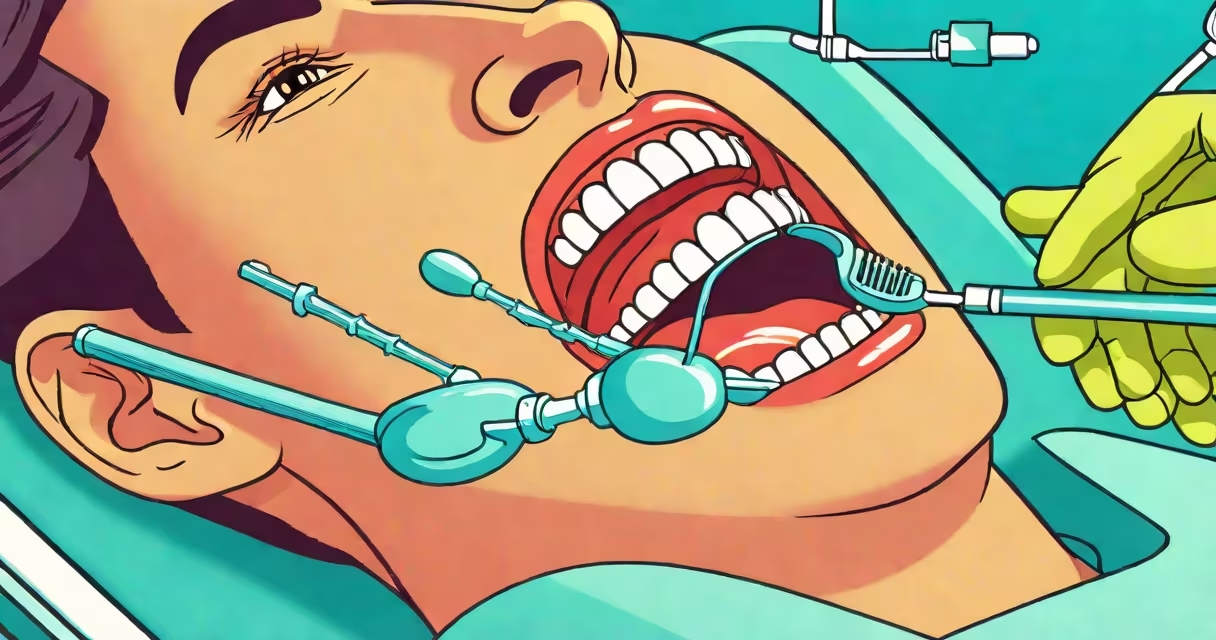
tooth extraction what to expect involves immediate post-procedure bleeding, swelling, and mild to moderate pain lasting 24-72 hours. Recovery typically takes 3-7 days, with most patients returning to normal activities within a week. Proper care reduces infection risk and prevents dry socket.
Tooth extraction removes a tooth from its socket in the jawbone. The procedure is performed under local anesthesia, sedation, or general anesthesia depending on complexity. Simple extractions involve visible teeth removed with forceps. Surgical extractions require incisions and bone removal, common for impacted wisdom teeth. Both types aim to eliminate pain, infection, or structural damage caused by decay, trauma, or overcrowding.
The American Dental Association (ADA) reports that over 10 million teeth are extracted annually in the U.S., with wisdom teeth accounting for nearly half. Extraction is often necessary when a tooth cannot be saved by root canal therapy or restoration. Patients may experience pressure, warmth, or pulsing pain during healing, which usually subsides within 72 hours.
Dentists begin by numbing the area with local anesthetic. For complex cases, oral sedatives or IV sedation may be used. The dentist uses instruments like elevators and forceps to loosen and remove the tooth. In surgical extractions, a small incision exposes the tooth root, which may be sectioned into pieces for easier removal.
After extraction, gauze is placed over the socket to control bleeding. The blood clot that forms is critical-it protects the bone and nerve endings. Dislodging this clot increases the risk of dry socket, a painful condition affecting 1-3% of extractions. Dry socket occurs when the clot dissolves prematurely, exposing bone and nerves.
A 2022 study in the Journal of Oral and Maxillofacial Surgery found that patients who avoided straws, smoking, and vigorous rinsing had a 68% lower incidence of dry socket. This underscores the importance of following post-op instructions precisely.
Extractions fall into two categories: simple and surgical. Simple extractions treat accessible teeth with visible crowns. Surgical extractions address impacted teeth, broken roots, or those embedded in bone. Wisdom tooth removal is the most frequent surgical extraction.
| Type | When Used | Recovery Time | Pain Level |
|---|---|---|---|
| Simple | Visible, non-impacted teeth | 3-5 days | Mild to moderate |
| Surgical | Impacted, fractured, or deeply rooted teeth | 5-10 days | Moderate to severe |
Common reasons for extraction include advanced periodontal disease, failed root canals, trauma from accidents, and orthodontic space management. A 2021 report from the National Institute of Dental and Craniofacial Research noted that untreated gum disease leads to tooth loss in 70% of adults over 65.
Patients often confuse post-extraction swelling with infection. Swelling peaks at 48 hours and resolves by day 3. Persistent swelling beyond 72 hours, pus, or fever indicates infection and requires prompt treatment. A non-obvious fact: some patients report a metallic taste due to blood breakdown products in the mouth, not a sign of complications.
Normal symptoms include oozing blood for 1-2 hours, swelling peaking at 48 hours, and dull throbbing pain. Most patients manage pain with ibuprofen (600 mg every 6 hours) or acetaminophen (1000 mg every 6 hours). Avoid aspirin, which increases bleeding risk.
Red flags include prolonged bleeding (>24 hours), severe pain worsening after 48 hours, foul-smelling discharge, or inability to open the mouth fully. These signs suggest dry socket or infection. Dry socket pain is sharp, radiating to the ear, and often described as "burning." Treatment involves medicated dressings applied by a dentist.
I experienced this firsthand during a wisdom tooth extraction. On day two, my pain spiked despite taking prescribed medication. A follow-up visit confirmed dry socket. The dentist cleaned the socket and applied a medicated dressing. Pain resolved within 48 hours. This reinforced how important timely follow-up is-even if symptoms seem minor.
Day 1: Bite down on gauze for 30 minutes. Avoid rinsing, spitting, or using straws. Consume soft foods like yogurt and applesauce. Take prescribed antibiotics if given.
Day 2-3: Swelling peaks. Apply cold compresses for 20-minute intervals. Begin gentle saltwater rinses (1/2 tsp salt in 8 oz warm water) after 24 hours. Avoid alcohol-based mouthwashes.
Day 4-7: Swelling decreases. Resume brushing around the extraction site, avoiding direct contact. Return to normal diet gradually. If stitches were placed, they dissolve in 5-7 days.
After 7 days, most patients feel well enough to return to work or school. However, avoid strenuous activity for 48 hours to prevent dislodging the clot. A 2020 clinical review in the British Dental Journal emphasized that early resumption of physical activity correlates with higher dry socket rates.
Recovery varies by individual, but most people return to baseline function within a week. Follow-up appointments ensure proper healing. Missing a follow-up increases the risk of delayed healing or complications. Always communicate changes in symptoms to your provider.