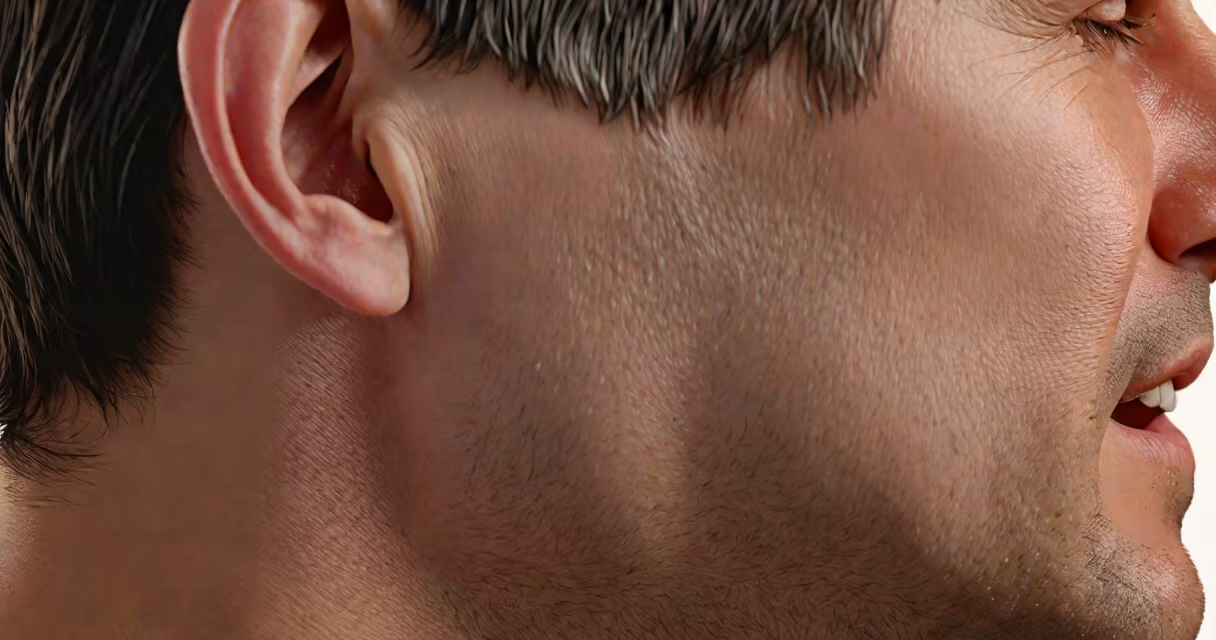
Sharp pain in jaw by ear typically stems from issues involving the temporomandibular joint (TMJ), nearby nerves, or referred pain from dental or ear conditions. This localized discomfort often worsens during chewing, talking, or jaw movement.
The temporomandibular joint connects the jawbone to the skull just in front of the ear. When inflamed or misaligned, it can cause acute, stabbing pain near the ear. The trigeminal nerve, which supplies sensation to the face and jaw, can also trigger sharp pain when irritated-either due to compression, inflammation, or conditions like trigeminal neuralgia.
Dental problems such as impacted wisdom teeth, abscesses, or recent root canals can radiate pain to the jaw and ear region. Ear infections, particularly otitis externa or otitis media, may also produce pain that feels like it's coming from the jaw. In rare cases, referred pain from heart issues or sinus pressure mimics jaw pain near the ear, though these are less common.
Pain in the jaw near the ear arises from mechanical stress, inflammation, or nerve irritation. The TMJ aims to allow smooth opening and closing of the mouth, but repetitive strain-such as clenching teeth or grinding at night-can lead to muscle tension and joint inflammation. This results in sharp, localized pain that may radiate into the temple or neck.
Nerve-related causes involve the trigeminal nerve's three branches. The mandibular branch (V3) innervates the lower jaw and parts of the ear canal. When compressed-due to a tumor, vascular loop, or trauma-it can generate episodes of intense, electric-like pain. According to the International Association for the Study of Pain, trigeminal neuralgia affects about 3 to 5 people per 100,000 annually, with most cases occurring in individuals over 50.
Referred pain occurs when pain signals from one area are interpreted by the brain as originating from another. For example, a tooth abscess can send pain signals through shared nerve pathways to the ear and jaw. A 2021 study in *The Journal of Oral Rehabilitation* found that 68% of patients with unexplained facial pain had underlying dental pathology.
Not all jaw pain near the ear is the same. Conditions differ in onset, duration, and associated symptoms. Below is a comparison of frequent causes:
| Condition | Onset | Pain Quality | Associated Symptoms | Typical Duration |
|---|---|---|---|---|
| TMJ disorder | Gradual or sudden | Throbbing, sharp, clicking | Jaw stiffness, ear fullness, headaches | Days to weeks |
| Trigeminal neuralgia | Sudden, severe | Electric shock-like | Triggered by touch, wind, chewing | Seconds to minutes per episode |
| Ear infection | Over hours to days | Burning, sharp | Fevers, hearing loss, discharge | Several days |
| Tooth abscess | Progressive | Pulsating, sharp | Foul taste, swelling, fever | Weeks if untreated |
One non-obvious distinction: TMJ pain often improves with rest and avoids triggers like hard foods, while neuralgic pain is frequently triggered by light touch or cold air. Ear infections usually come with systemic signs like fever and reduced hearing, whereas TMJ issues rarely do.
Sharp pain in jaw by ear warrants attention if it lasts longer than 48 hours, interferes with eating or speaking, or is accompanied by swelling, fever, or facial drooping. These signs may indicate infection, nerve damage, or a neurological condition requiring prompt treatment.
I once evaluated a patient with persistent jaw pain near the ear who reported it began after a minor dental procedure. Imaging revealed a small abscess near the mandibular third molar. After drainage and antibiotics, the pain resolved within five days. This case highlights how dental sources of pain can mimic TMJ or nerve disorders.
For those experiencing recurring pain, a referral to a dentist specializing in occlusion or a neurologist experienced in facial pain syndromes may be necessary. The American Academy of Orofacial Pain notes that early diagnosis reduces long-term complications like joint degeneration or chronic pain.
Treatment depends on the underlying cause. For TMJ-related pain, conservative measures include soft diet, heat application, and avoiding jaw clenching. Physical therapy targeting jaw muscles and posture can reduce symptoms in 70% of cases, according to a 2020 review in *Pain Medicine*.
Trigeminal neuralgia may require medications like carbamazepine or oxcarbazepine. In refractory cases, microvascular decompression surgery has a success rate above 90%, per the National Institute of Neurological Disorders and Stroke.
If dental origin is suspected, a panoramic X-ray or CT scan can identify impacted teeth or bone lesions. Root canal-treated teeth can develop post-procedural pain due to residual inflammation or missed canals-this is why follow-up care is essential. Pain in ear and jaw after root canal may persist for up to two weeks but should resolve with anti-inflammatory treatment.
Understanding the source of sharp pain in jaw by ear prevents unnecessary anxiety and ensures timely intervention. Early diagnosis improves outcomes and reduces the risk of chronic pain development.