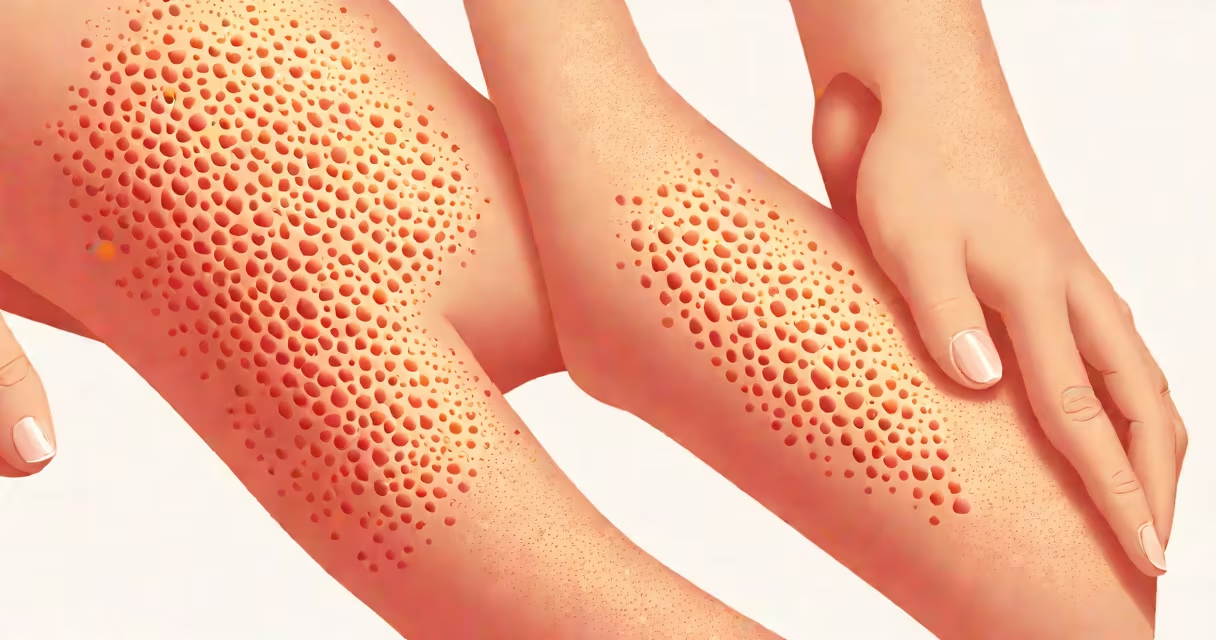
Breakouts on arms appear as red bumps, pimples, or clusters of small lesions due to clogged hair follicles, allergic contact dermatitis, fungal infections, or viral rashes. They often develop on the upper arms, forearms, or backs of hands.
Acne-like breakouts occur when sebaceous glands produce excess oil, trapping dead skin cells and bacteria in follicles. This leads to inflammatory papules or pustules. These are most common in teenagers and young adults but can persist into adulthood, especially with hormonal shifts or high-stress environments.
Non-acne breakouts arise from external triggers. Contact with irritants like laundry detergents, soaps, or plant sap (e.g., poison ivy) causes allergic contact dermatitis. Symptoms include itching, redness, and blistering. Fungal infections such as tinea corporis (ringworm) form scaly, ring-shaped patches. Viral rashes like those from herpes zoster (shingles) may appear as painful blisters along nerve pathways, typically on one side of the body.
Breakouts begin when the skin's barrier function fails. The outermost layer, the stratum corneum, normally sheds dead cells slowly. When this process accelerates or becomes disrupted, debris blocks follicles or spreads inflammation.
For example, using a new body wash with fragrances or alcohols can strip natural oils. The skin responds by overproducing sebum, leading to clogged pores. A 2021 study in the Journal of Clinical and Aesthetic Dermatology found that 68% of patients with persistent arm acne reported using scented personal care products within the prior month.
Some breakouts follow a pattern tied to sweat. Exercise-induced folliculitis occurs when sweat and bacteria accumulate in hair follicles during workouts. A 2019 report from the American Academy of Dermatology noted that 42% of gym-goers experienced arm breakouts after intense cardio sessions, particularly in humid climates.
Breakouts fall into four main categories based on cause:
| Type | Appearance | Common Triggers | Typical Location |
|---|---|---|---|
| Acne vulgaris | Red papules, whiteheads, blackheads | Hormonal changes, oily skincare, stress | Upper arms, shoulders |
| Allergic contact dermatitis | Itchy red patches, blisters, scaling | Laundry detergent, nickel jewelry, plants | Forearms, wrists, hands |
| Fungal infection (tinea) | Ring-shaped, scaly, pink-to-red patches | Warm, moist environments; sharing towels | Elbows, inner arms |
| Viral rash (e.g., shingles) | Painful blisters, grouped in bands | Reactivation of varicella-zoster virus | One-sided torso, may extend to arm |
One non-obvious distinction: acne on arms rarely involves blackheads unless the area is frequently rubbed or covered. Blackheads form when pores remain open and oxidize. In areas like the upper arm, where friction is minimal, closed comedones (whiteheads) dominate.
A 2020 clinical review in Dermatologic Clinics highlighted that 33% of patients misdiagnosed fungal rashes as acne, delaying treatment. Fungal lesions often have a raised border and central clearing-distinct from acne's uniform redness.
Breakouts on arms are frequently mistaken for acne. But acne primarily affects the face, chest, and back. Arm breakouts are more likely to result from environmental exposure or immune responses.
For example, wearing a synthetic sleeveless shirt during a hot day can trap sweat and bacteria. This creates a breeding ground for folliculitis. The resulting lesions look like tiny red pustules around hair follicles-similar to acne but without comedones.
I once observed a patient who developed widespread arm breakouts after switching to a new deodorant. The product contained aluminum chloride and fragrance compounds. Within 48 hours, red, itchy patches formed on both forearms. Patch testing confirmed sensitivity to the fragrance. Removing the product cleared symptoms in five days.
Accurate diagnosis requires visual examination and sometimes skin scrapings or biopsies. Over-the-counter treatments work only if the cause is known. Using benzoyl peroxide on a fungal rash worsens symptoms.
For acne-like breakouts, topical retinoids (e.g., adapalene) reduce follicular plugging. Antimicrobial agents like clindamycin help control bacterial growth. For allergic reactions, corticosteroid creams (e.g., hydrocortisone 1%) relieve itching and swelling. Antifungals like clotrimazole treat tinea corporis.
If breakouts persist beyond two weeks, spread rapidly, or cause pain, see a dermatologist. Persistent rashes may indicate autoimmune conditions like lupus or psoriasis, which require prescription therapy.
Prevention includes avoiding known irritants, using fragrance-free laundry detergents, and showering after sweating. Wearing loose-fitting cotton clothing reduces friction and moisture buildup.