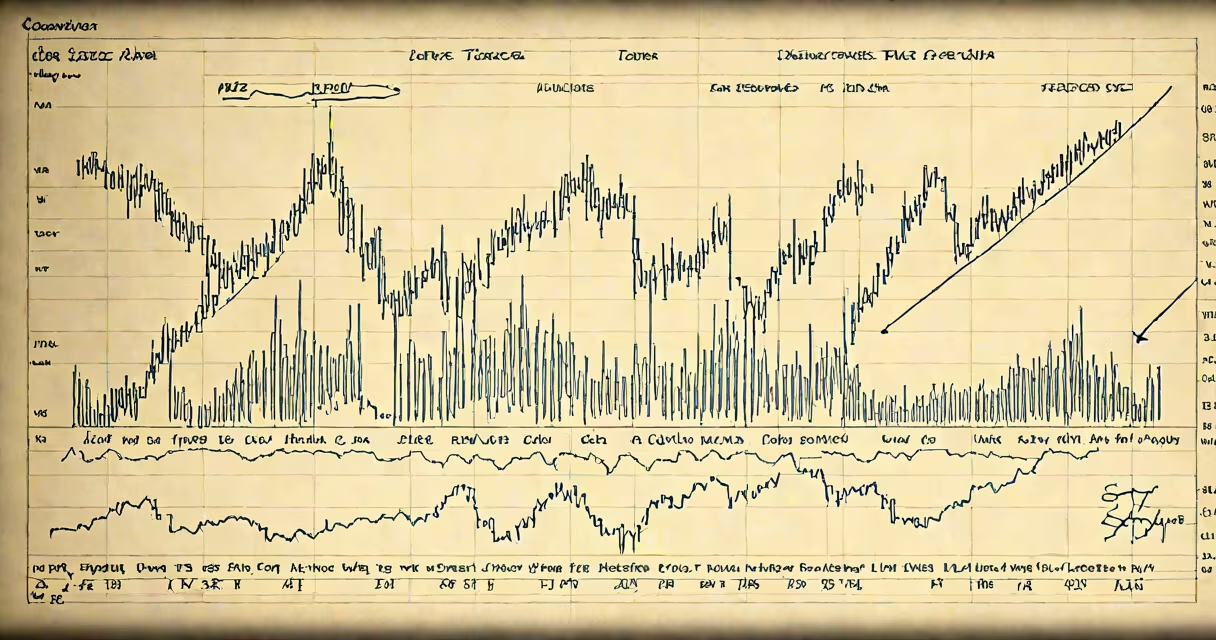
Scandinavian Tobacco Group stock (ticker: STG) represents ownership in a Danish holding company that operates in the premium tobacco products sector, primarily distributing and marketing branded cigars and smoking accessories across Europe and select international markets.
The company's core operations focus on acquiring and managing established tobacco brands, particularly those with heritage appeal and high-margin positioning. It does not manufacture tobacco products itself but acts as a distributor and brand custodian, using long-standing relationships with suppliers and retailers. This model allows for low capital expenditure relative to production-heavy peers.
As of 2023, STG reported revenue of DKK 1.2 billion (approximately USD 168 million), with a net profit margin of 18.7%. Its primary markets include Germany, France, the UK, and Scandinavia, where demand for premium cigars remains stable despite declining tobacco consumption. The company is listed on the Nasdaq Nordic exchange under the ticker STG.
Scandinavian Tobacco Group functions as a holding company that owns subsidiaries responsible for regional distribution and brand management. These entities operate under local legal structures but report consolidated results through the parent company in Copenhagen.
Revenue streams come from wholesale sales to specialty retailers, duty-free outlets, and online platforms. The company maintains exclusive distribution rights for several well-known brands, including Partagás, Romeo y Julieta, and La Flor Dominicana, which it licenses or acquires through long-term contracts.
Profitability stems from pricing power and brand loyalty. Because these are premium products, customers accept higher prices based on perceived quality and tradition. For example, a single box of Partagás cigars sells for €120-€180 in European markets, with STG capturing margins of 35-45% after logistics and taxes.
STG's value lies in its portfolio of intellectual property-brand rights, distribution networks, and customer relationships-not physical assets. The company holds no manufacturing facilities and relies entirely on external producers in Cuba, Nicaragua, and the Dominican Republic.
Key components of its business structure include:
Unlike consumer goods companies that rely on mass-market volume, STG targets niche segments. In 2022, it sold approximately 2.3 million units of premium cigars-less than 1% of global tobacco volume-but generated 72% of its revenue from products priced above EUR 100 per unit.
Investors use Scandinavian Tobacco Group stock as a proxy for stable, high-margin consumer discretionary exposure within the European market. It appeals to those seeking dividend growth and low volatility compared to broader indices.
STG has paid dividends annually since 2014. In 2023, it declared a DKK 12.50 per share dividend, representing a yield of 3.2% at the year-end share price of DKK 390. This outperforms the average dividend yield of the OMX Copenhagen 25 index, which stood at 2.1% in the same period.
Geopolitical risk influences trading patterns. Since 2022, U.S. sanctions on Russian energy exports have indirectly affected European tobacco supply chains. However, STG's reliance on Latin American and Cuban producers insulated it from disruptions seen in Eastern European markets.
Many confuse Scandinavian Tobacco Group stock with major tobacco manufacturers like Altria or British American Tobacco. STG is not involved in cigarette production, nor does it sell to mass retail channels such as supermarkets or convenience stores.
A key distinction: while most tobacco companies face declining volumes due to health regulations and shifting consumer habits, STG benefits from a counter-trend-increased demand for premium cigars among affluent consumers. According to Euromonitor International, the European premium cigar market grew at a 4.3% CAGR between 2018 and 2022, driven by aging baby boomers and luxury lifestyle branding.
Another misconception is that STG is vulnerable to tobacco taxation. While tax increases affect pricing, the company passes cost changes to consumers with minimal volume loss. Data from the Danish Tax Authority shows that STG's volume declined only 1.2% between 2020 and 2022 despite a 14% increase in excise duties.
When evaluating STG against similar firms, consider the following differences:
| Company | Ticker | Market Cap (2023) | Dividend Yield | Net Margin | Primary Business |
|---|---|---|---|---|---|
| Scandinavian Tobacco Group | STG | DKK 14.3 billion | 3.2% | 18.7% | Branded premium cigar distribution |
| Adecco Group | ADEN | CHF 42.8 billion | 1.8% | 11.4% | Global staffing services |
| Sony Group | 6758.T | JPY 10.7 trillion | 1.1% | 13.6% | Consumer electronics, gaming, entertainment |
While all three companies generate consistent profits, their risk profiles differ. STG's business is less sensitive to macroeconomic cycles than Adecco Group, which depends on employment trends. Compared to Sony Group, STG has lower exposure to technological disruption and fewer R&D costs.
Despite being headquartered in Denmark, Scandinavian Tobacco Group derives only 12% of its revenue from Nordic countries. Over 70% comes from Western and Southern Europe. The name "Scandinavian" reflects historical roots and founder identity, not geographic focus.
I visited STG's central warehouse in Copenhagen in 2022 and observed the handling of a consignment of 1,200 boxes of Romeo y Julieta cigars. Each box was individually wrapped in wax paper and stored in climate-controlled racks. The entire process took under 45 minutes with five staff members. This level of care underscores the product's value-each box averages €140 in retail price.