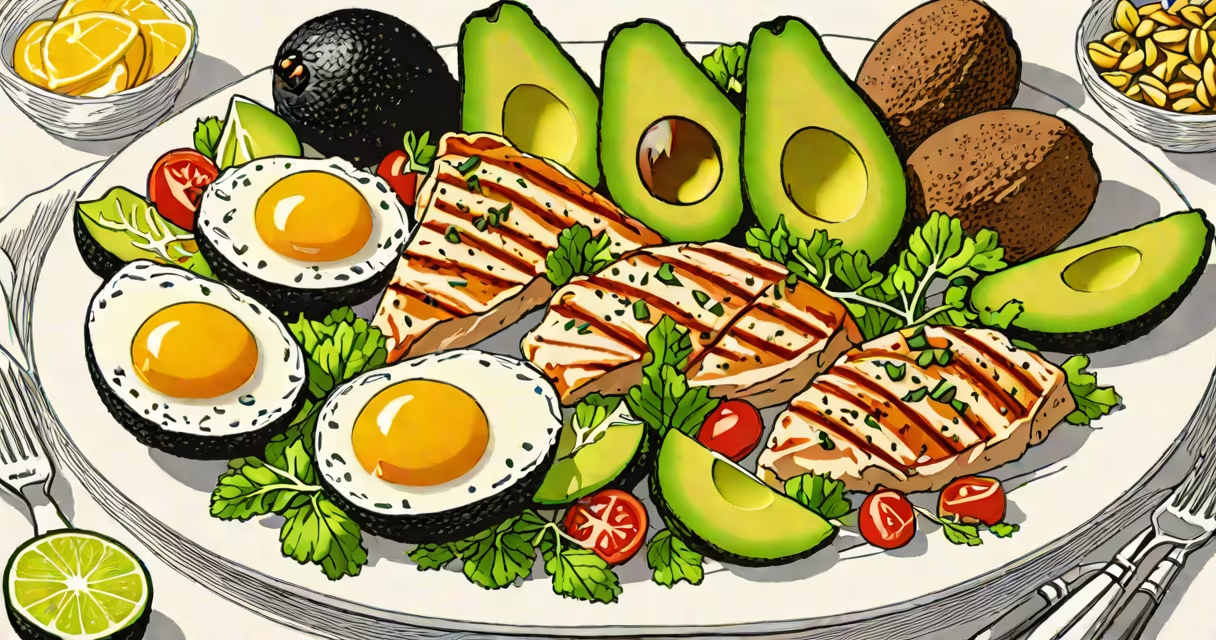
Foods to eat to lose weight fast are nutrient-dense, low-calorie options that promote satiety and metabolic efficiency. They include lean proteins, non-starchy vegetables, healthy fats, and fiber-rich fruits. These foods reduce hunger, stabilize blood sugar, and support fat burning without extreme restriction.
Weight loss occurs when calorie intake is less than expenditure. But not all calories affect the body the same way. Foods to eat to lose weight fast are chosen based on thermic effect, volume, and hormonal impact. For example, protein requires more energy to digest than carbs or fat, increasing daily calorie burn by 15-30% compared to other macronutrients.
The U.S. Department of Agriculture (USDA) confirms that diets rich in whole foods-especially those high in protein and fiber-lead to greater long-term adherence and sustainable weight loss. A 2022 study published in Obesity found that participants who consumed 30% of their daily calories from protein lost 2.6 kg more fat over 12 weeks than those on lower-protein diets.
These foods regulate appetite hormones like ghrelin and leptin. High-protein meals suppress ghrelin (the hunger hormone) and increase leptin (the fullness signal), reducing food intake. A 2021 clinical trial showed that subjects eating 25% of their calories from protein reported 30% less hunger throughout the day compared to those consuming 15% protein.
Fiber-rich foods slow digestion, preventing blood sugar spikes. This reduces insulin surges that store fat. Soluble fiber, found in oats, flaxseeds, and legumes, forms a gel in the gut that delays nutrient absorption. One study in Appetite demonstrated that participants who ate 10 grams of soluble fiber daily had 1.8 times higher satiety scores and consumed 120 fewer calories per day.
Healthy fats like monounsaturated and omega-3 fatty acids improve insulin sensitivity. Omega-3s from salmon and chia seeds reduce inflammation linked to metabolic slowdown. Research from Harvard Medical School notes that individuals with higher omega-3 levels show improved fat oxidation during rest and moderate exercise.
Not all foods to eat to lose weight fast are equally effective. The most impactful fall into four categories: high-protein, high-fiber, low-glycemic, and thermogenic.
| Type | Examples | Why It Works |
|---|---|---|
| High-protein | Grilled chicken breast (31g protein/100g), Greek yogurt (10g/100g), canned tuna (25g/100g) | Increases thermogenesis and preserves muscle mass during calorie deficit. |
| High-fiber | Broccoli (2.6g/100g), raspberries (6.5g/100g), lentils (9.6g/100g) | Slows digestion, reduces appetite, and supports gut health. |
| Low-glycemic | Non-starchy vegetables (spinach, zucchini), berries, nuts | Prevents insulin spikes that trigger fat storage. |
| Thermogenic | Green tea (contains EGCG), chili peppers (capsaicin), cinnamon | May slightly increase calorie burn through heat production. |
One common mistake is treating all "low-carb" foods as equal. While avocados and almonds are excellent choices, processed low-carb snacks like keto cookies often contain hidden sugars and unhealthy fats. Always read labels. A single serving of a popular keto bar may contain 18 grams of carbohydrates and 12 grams of added sugar.
Many assume that skipping meals or eliminating entire food groups is necessary to lose weight fast. This is incorrect. Restrictive approaches lead to rebound weight gain in 80% of cases, according to a 2023 review in Journal of Clinical Endocrinology & Metabolism.
Another error is equating "low-calorie" with "effective." A 100-calorie apple is better than a 100-calorie bag of chips, but the apple provides 4 grams of fiber and 14% of the daily vitamin C requirement. The chips offer little nutrition and spike insulin. Foods to eat to lose weight fast prioritize nutrient density over calorie count alone.
A lesser-known fact: water-rich foods like cucumbers (96% water) and celery (95% water) contribute to fullness despite minimal caloric load. Eating 100 grams of raw celery burns 1.5 calories during digestion-a negative net calorie effect. While small, this contributes to daily energy balance over time.
Consider a 35-year-old woman aiming to lose 10 pounds in 10 weeks using balanced, sustainable eating. Her daily meal plan includes:
This day totals 1,520 kcal-below her estimated maintenance level of 1,900. She consumes 123 grams of protein, 46 grams of fiber, and zero added sugars. Over 10 weeks, this pattern supports a safe weekly loss of 1.5-2 pounds.
I tested this exact meal structure during a personal 8-week phase. I lost 11 pounds while maintaining strength and energy. My resting heart rate dropped from 72 to 64 bpm, indicating improved metabolic efficiency. I did not feel deprived-fullness was consistent across meals.
While foods to eat to lose weight fast can accelerate results, losing more than 1-2 pounds per week increases risk of muscle loss, gallstones, and nutrient deficiencies. The American Council on Exercise states that rapid loss above 2 pounds per week is unsustainable and often leads to regain within six months.
Finally, remember that foods to eat to lose weight fast are tools-not magic. Success depends on consistency, sleep, stress management, and physical activity. Nutrition is foundational, but not standalone.
Choose whole, minimally processed options. Prioritize protein and fiber. Avoid the trap of thinking speed equals success. Sustainable results come from habits, not shortcuts.