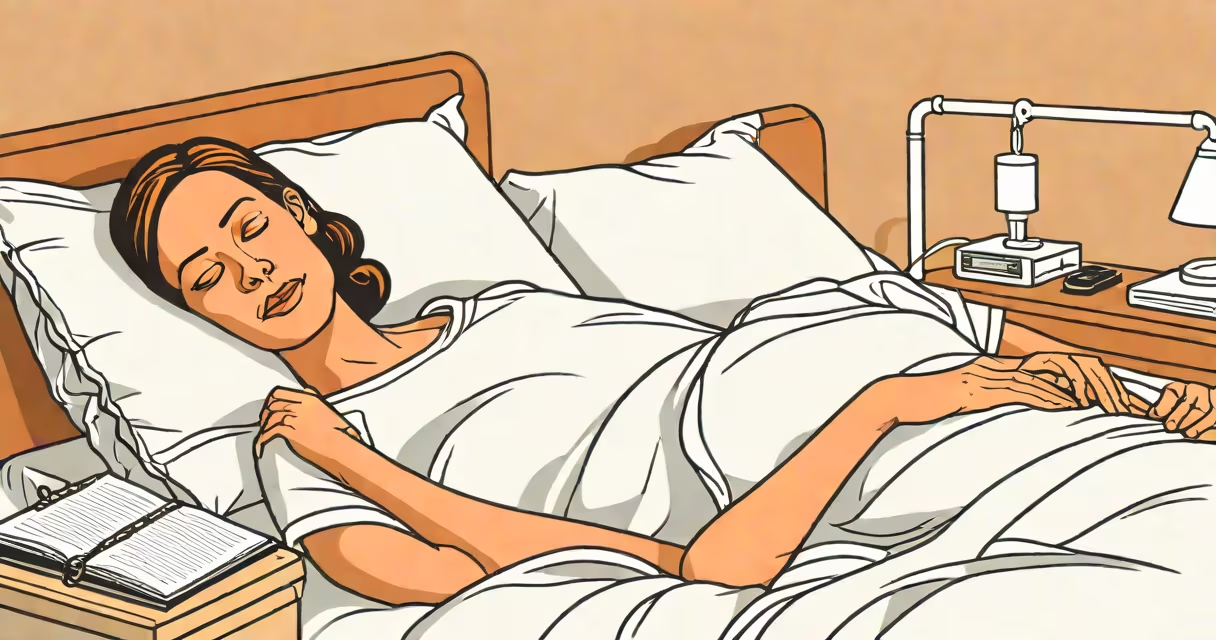
Cancer fatigue is a persistent, overwhelming sense of exhaustion that doesn't improve with rest and is distinct from normal tiredness. It affects up to 90% of people undergoing cancer treatment and often persists long after therapy ends.
This fatigue stems from multiple biological factors: tumor cells consuming energy, inflammation triggered by immune responses, hormonal shifts, and side effects from chemotherapy, radiation, and surgery. Unlike everyday weariness, cancer-related fatigue can strike suddenly, interfere with daily tasks, and reduce quality of life even during remission.
A 2021 study published in Journal of Clinical Oncology found that 68% of patients reported fatigue as their most burdensome symptom during treatment, surpassing pain, nausea, and anxiety. This level of impact underscores why fatigue must be addressed proactively, not dismissed as "just part of the process."
Fatigue in cancer patients results from systemic changes in the body's energy regulation. Tumors release cytokines-signaling proteins that trigger inflammation-which disrupt sleep patterns and reduce physical stamina. These molecules act on the brain's hypothalamus, altering appetite, mood, and wakefulness.
Chemotherapy drugs damage rapidly dividing cells, including those in the bone marrow responsible for producing red blood cells. Reduced hemoglobin leads to anemia, which diminishes oxygen delivery to tissues. A 2020 review in Supportive Care in Cancer confirmed that anemia occurs in 30-50% of chemotherapy patients and correlates strongly with fatigue severity.
Even without treatment, advanced cancers can cause cachexia-a wasting syndrome marked by muscle loss and metabolic dysfunction. This condition depletes energy reserves and contributes to profound fatigue. One patient described feeling "like my body was running on empty even when I hadn't moved."
Fatigue manifests differently depending on the phase of illness and treatment. It can be acute (short-term), chronic (lasting months), or relapsing (fluctuating).
| Type | Onset | Duration | Common Causes |
|---|---|---|---|
| Acute | During treatment | Days to weeks | Chemotherapy, radiation, surgery |
| Chronic | After treatment ends | Months to years | Post-treatment recovery, ongoing inflammation |
| Relapsing | Variable | Intermittent | Disease progression, infections, stress |
Some patients report fatigue worsening in the afternoon, a pattern linked to circadian disruption. Others experience early-morning awakening and difficulty returning to sleep, contributing to cumulative exhaustion.
One overlooked factor is medication side effects. Drugs like corticosteroids (used to reduce swelling) and certain antidepressants can induce drowsiness or paradoxical agitation, further draining energy levels.
Cancer fatigue is not laziness, lack of motivation, or depression-even when mental health is affected. While emotional distress can worsen fatigue, the root cause is physiological. A 2019 study in Cancer Nursing showed that 72% of patients felt misunderstood when caregivers assumed they were "just sad" or "not trying hard enough."
It also differs from normal tiredness. Normal fatigue resolves with sleep or rest. Cancer fatigue persists despite adequate rest and may worsen with activity. A patient undergoing radiation therapy reported that walking to the bathroom left her unable to stand for five minutes afterward-something she'd never experienced before diagnosis.
Another misconception is that fatigue only happens during active treatment. Research from the National Cancer Institute shows that up to 40% of survivors still experience fatigue two years post-treatment, particularly in breast, prostate, and colorectal cancers.
Managing fatigue begins with identifying the underlying cause. Blood tests can detect anemia, thyroid dysfunction, or vitamin deficiencies. Addressing these conditions often reduces fatigue.
Exercise is one of the most effective interventions. A randomized controlled trial published in JAMA Oncology found that moderate aerobic exercise (30 minutes, 3 times weekly) improved energy levels by 40% compared to controls. Walking, cycling, or chair-based yoga are accessible options for those with limited mobility.
Pacing activities throughout the day helps conserve energy. Breaking tasks into smaller steps and scheduling rest periods between them prevents crashes. For example, a patient with stage III colon cancer used a planner to schedule showering, meals, and doctor visits around energy peaks, reducing overwhelm.
Non-pharmacological approaches include cognitive behavioral therapy for insomnia (CBT-I), which improves sleep quality and reduces daytime fatigue. Medications such as modafinil have shown modest benefit in clinical trials but are not approved for cancer fatigue in all countries.
One patient shared that after starting a structured walking program and adjusting her medication timing, she regained enough energy to return to part-time work. "I didn't expect to feel better," she said. "But small changes added up."
Understanding that fatigue is a real, measurable symptom-not a personal failing-is essential. Early intervention improves outcomes and supports independence during recovery.
When cancer causes extreme tiredness, it's not a sign of weakness. It's a signal that the body is under stress. Recognizing this difference enables better care, clearer communication, and more effective support.