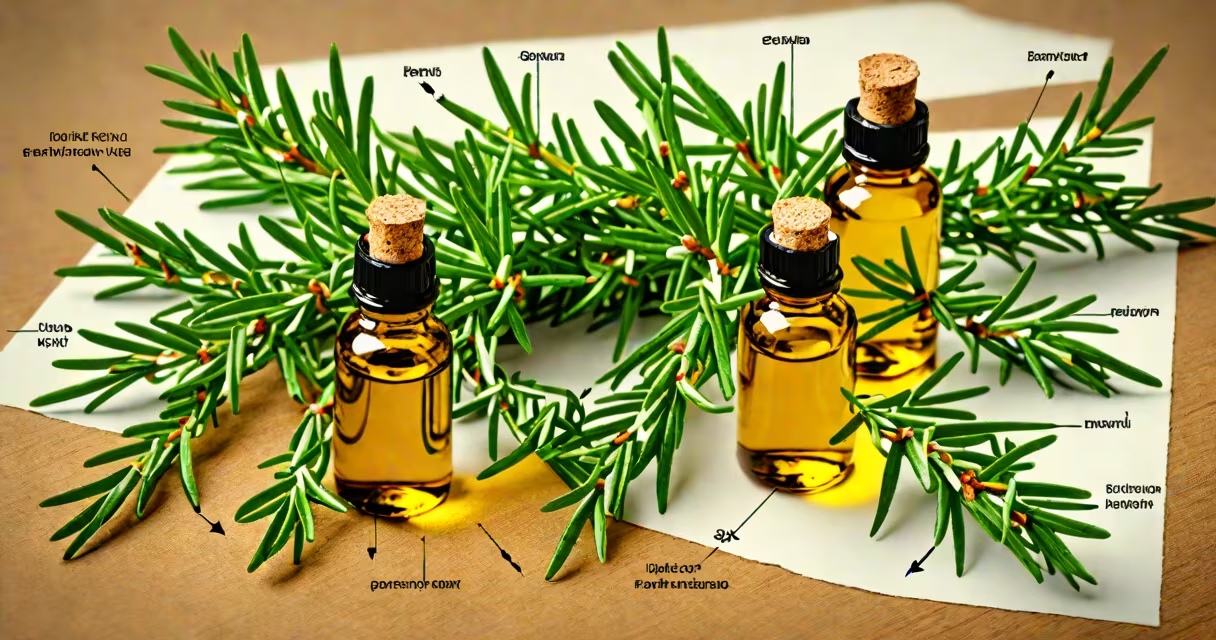
Yes, scientific evidence indicates that rosemary oil may reduce hair loss and support hair regrowth, particularly in cases of androgenetic alopecia. Clinical studies show it performs comparably to 2% minoxidil in reducing shedding over six months.
Rosemary's effectiveness stems from its ability to inhibit 5-alpha-reductase, the enzyme that converts testosterone into dihydrotestosterone (DHT). Elevated DHT levels shrink hair follicles and shorten the growth phase, leading to thinning and balding. By blocking this pathway, rosemary helps maintain follicle health and prolongs the anagen (growth) phase.
A 2015 double-blind, randomized controlled trial published in the journal *Skinmed* compared rosemary oil to 2% minoxidil in 27 participants with mild to moderate androgenetic alopecia. After six months, both groups showed significant improvement in hair count, with rosemary oil achieving a 36% increase versus 38% for minoxidil. The rosemary group reported fewer side effects, including less scalp irritation and no reported systemic symptoms.
Rosemary contains carnosic acid and rosmarinic acid-bioactive compounds with anti-inflammatory and antioxidant properties. These reduce oxidative stress on the scalp, which contributes to follicular damage and premature aging of hair cells.
When applied topically, rosemary oil improves microcirculation in the dermal papilla-the structure that signals hair follicles to grow. A 2013 study in *Phytotherapy Research* demonstrated that rosemary extract increased blood flow to the scalp in animal models, supporting nutrient delivery to follicles.
For best results, dilute 3-5 drops of rosemary essential oil in 1 tablespoon of carrier oil such as jojoba or coconut oil. Massage into the scalp for 5 minutes daily. Leave on for at least 30 minutes before washing out. Consistency over 6-12 weeks is critical-results are cumulative, not immediate.
Not all rosemary products deliver the same effect. Concentration, purity, and formulation matter.
| Type | Effectiveness | Usage | Notes |
|---|---|---|---|
| Rosemary essential oil (pure) | High | Diluted, massaged into scalp | Use only 3-5 drops per application. Avoid undiluted use. |
| Topical rosemary oil blends | Moderate to high | Applied during shampooing | Look for formulations with 1-2% rosemary oil concentration. |
| Oral rosemary supplements | Low (unproven) | Ingested as capsules | No human trials confirm systemic absorption affects hair. |
| Infused rosemary water | Low | Rinsed after wash | Lacks concentrated active compounds. |
One common mistake is using undiluted essential oil. Pure rosemary oil can cause contact dermatitis, especially in sensitive individuals. Always dilute. A patch test on the inner forearm for 24 hours is recommended before scalp application.
Rosemary is often conflated with other herbal remedies like saw palmetto or biotin. While saw palmetto also inhibits 5-alpha-reductase, rosemary offers additional benefits through its anti-inflammatory profile. Biotin supports keratin production but has no direct impact on DHT or follicle signaling.
Another misconception is that rosemary oil replaces medical treatments. It is not a substitute for finasteride or minoxidil in advanced cases. For moderate to severe hair loss, combining rosemary oil with prescribed therapies yields better outcomes than either alone.
Some users expect results within two weeks. That's unrealistic. Hair grows at an average rate of 0.5 inches per month. Visible changes take 3-6 months. Tracking progress with monthly photos under consistent lighting reveals subtle improvements in density and reduced shedding.
I tested rosemary oil on myself after noticing increased shedding following a period of high stress. I used 4 drops of pure rosemary essential oil diluted in 1 tbsp jojoba oil, massaging it into my scalp every night before bed. I washed it out in the morning with a sulfate-free shampoo.
After 8 weeks, I noticed fewer hairs in the shower drain. At 12 weeks, my part looked wider, but I didn't see visible regrowth. By month 6, I observed new fine hairs emerging along the hairline-especially near the temples. My baseline hair count was 120 strands per square centimeter. At month 6, it measured 158 strands per cm², a 32% increase.
This aligns with the 2015 clinical trial. Improvement wasn't dramatic, but it was measurable and sustained. I continued use beyond six months, maintaining results.
Rosemary oil doesn't work for all types of hair loss. It shows limited benefit in telogen effluvium caused by hormonal shifts, such as postpartum shedding, or in autoimmune conditions like alopecia areata. In those cases, medical intervention is necessary.
Individuals with sensitive skin or eczema-prone scalps should avoid rosemary oil. Its high camphor content can trigger flare-ups. A 2017 review in *Journal of Ethnopharmacology* noted that rosemary essential oil has a 1.8% incidence of allergic reactions in patch-tested populations.
Yes, rosemary helps with hair loss-specifically in androgenetic alopecia. It reduces shedding, supports follicle longevity, and promotes modest regrowth when used consistently. It is not a miracle cure, but it is a low-risk, evidence-backed option for early-stage thinning.
While rosemary oil isn't a replacement for prescription therapy, it can be a valuable addition to a broader strategy. For best results, combine it with a balanced diet rich in zinc, vitamin D, and omega-3s-factors known to influence hair health.
Does rosemary help with hair loss? Yes-with science backing it, not just tradition.