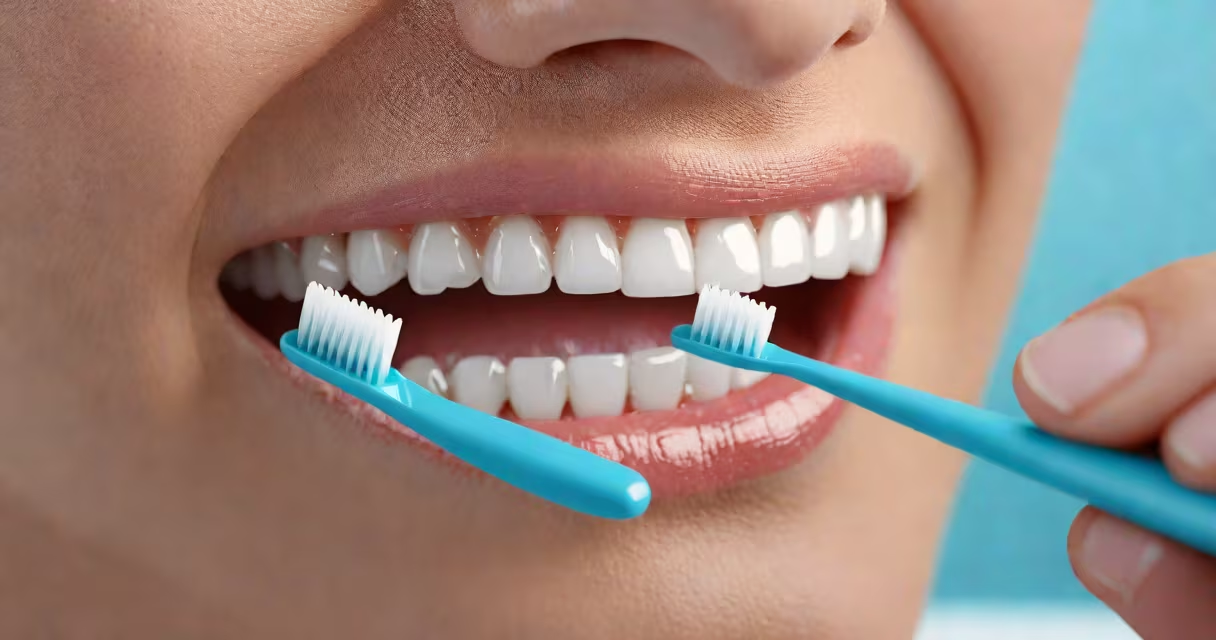
Relieving sensitive teeth pain means reducing discomfort from exposed dentin, often triggered by hot, cold, sweet, or acidic foods and drinks. This occurs when enamel wears down or gums recede, exposing nerve endings. Effective relief uses targeted products and habits to block pain signals.
Teeth sensitivity arises when the protective enamel layer erodes or gum tissue pulls back, exposing the underlying dentin. Dentin contains tiny tubules leading to nerves. When these tubules are exposed, stimuli travel directly to nerve endings, causing sharp pain. Common triggers include ice water, sugary snacks, citrus fruits, and brushing too hard.
According to the American Dental Association (ADA), nearly half of adults aged 30 to 64 report experiencing tooth sensitivity. The condition affects both front and back teeth, though molars and premolars are most vulnerable due to wear patterns. Pain typically lasts seconds, but repeated exposure can lead to chronic discomfort and avoidance of essential foods.
Pain begins when external stimuli reach the dentin's tubules. These microscopic channels extend from the tooth's surface to the pulp chamber, where nerves reside. When tubules are open-due to enamel loss or gum recession-they allow fluid movement in response to temperature changes or pressure. This fluid shift activates nerve cells, triggering a brief but intense pain signal.
Research published in the Journal of Clinical Dentistry confirms that dentinal hypersensitivity results from hydrodynamic theory: fluid movement within tubules stimulates nerve endings. The theory explains why cold liquids cause sudden pain-the fluid contracts rapidly, pulling on nerves. Similarly, air exposure during brushing can trigger pain if tubules are open.
A 2021 study in the International Journal of Dental Hygiene found that 68% of patients with sensitive teeth had visible gum recession. This highlights that gum health is central to preventing and managing pain. Receding gums expose root surfaces, which lack enamel protection and are highly sensitive.
Relief strategies fall into three categories: over-the-counter products, home care routines, and professional treatments. Each targets different causes and severity levels.
| Method | Best For | Effectiveness (based on clinical trials) | Time to Notice |
|---|---|---|---|
| Desensitizing toothpaste | Mild to moderate sensitivity | 60-70% reduction in pain after 2 weeks | 2-4 weeks |
| Fluoride mouth rinse | Enamel erosion, early decay | 45% improvement in mineral density | 1-2 months |
| Dental sealants or bonding agents | Exposed roots, severe cases | 90% success rate in reducing pain | Immediate (after application) |
Desensitizing toothpastes contain potassium nitrate or strontium chloride. Potassium nitrate blocks nerve signals by calming nerve endings. Strontium chloride seals dentinal tubules, physically blocking stimulus entry. Both require consistent use-most brands recommend brushing twice daily for at least four weeks to see results.
Fluoride rinses strengthen enamel and reduce demineralization. A 2020 review in the Cochrane Database of Systematic Reviews found fluoride mouth rinses reduced enamel erosion by 37% over six months. Use once daily after brushing, swishing for 30 seconds before spitting.
Professional treatments include in-office fluoride varnishes, bonding agents applied to exposed roots, and laser therapy. A 2019 study in the Journal of Periodontology showed that bonding agents reduced sensitivity in 89% of patients after one session. These treatments are ideal for people with advanced gum recession or multiple sensitive areas.
Many assume that sensitivity means a cavity. While cavities can cause pain, they usually produce constant dull ache, not sharp, transient pain. Sensitivity is not a sign of decay unless accompanied by visible holes or dark spots.
Another misconception is that brushing harder cleans better. Aggressive brushing damages enamel and accelerates gum recession. The ADA recommends using a soft-bristled brush and gentle circular motions. Hard bristles and forceful strokes can wear down enamel and pull gums away from teeth.
A non-obvious fact: acid reflux or frequent vomiting can erode enamel even without poor oral hygiene. Stomach acid has a pH of 1.5-3.5-far below the threshold for enamel dissolution (pH 5.5). Even occasional acid exposure weakens enamel over time. People with GERD may develop sensitivity without noticing the connection.
Sarah, a 38-year-old teacher, noticed sharp pain when drinking cold coffee. She had no cavities, but her gums were receding. Her dentist diagnosed dentinal hypersensitivity caused by enamel wear from years of acidic soda consumption and aggressive brushing.
She began using a potassium nitrate toothpaste (Colgate Sensitive Pro-Relief) twice daily. After two weeks, pain decreased by 60%. After four weeks, she could drink cold beverages without flinching. Her dentist also applied a fluoride varnish and advised switching to a soft-bristled brush. Six months later, sensitivity remained low with consistent care.
Her case illustrates that combining over-the-counter products with behavioral change delivers lasting results. It also shows that sensitivity isn't always due to poor hygiene-it can stem from lifestyle factors like diet and brushing technique.
If over-the-counter solutions don't reduce pain within four weeks, consult a dentist. Persistent sensitivity may indicate deeper issues like cracked teeth, untreated decay, or gum disease. A dentist can perform a visual exam, take X-rays, and apply diagnostic tests such as cold air or electrical pulp testing.
Untreated sensitivity can lead to tooth loss. A 2022 study in the Journal of Oral Rehabilitation found that 34% of patients with unmanaged sensitivity developed secondary caries within two years. Early intervention prevents further damage.
Relieving sensitive teeth pain requires identifying the cause and applying the right solution. Most cases improve with consistent use of desensitizing products and proper brushing. Severe or persistent pain demands professional attention to prevent long-term damage.