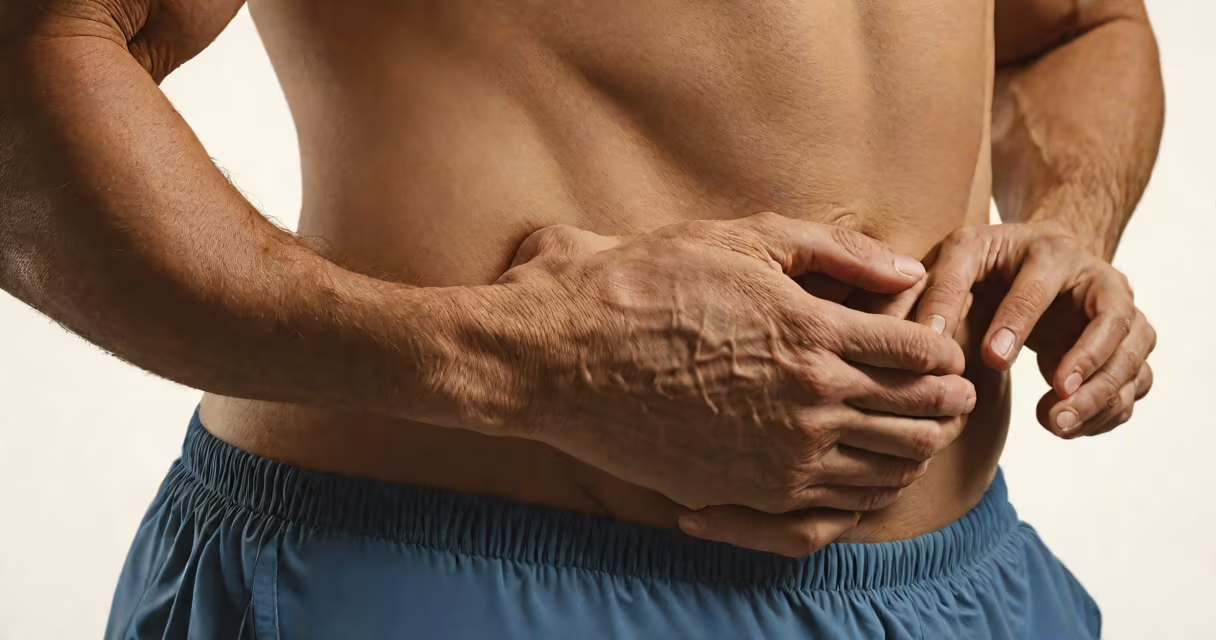
Oblique pain typically results from overuse, improper lifting mechanics, or sudden rotational movements during exercise or daily tasks. These muscles-the internal and external obliques-work to stabilize the torso and rotate the trunk. When strained, they cause sharp or dull aching on one or both sides of the lower abdomen.
The obliques are paired muscles running diagonally along the sides of the abdomen. The external obliques lie on the outer surface, pulling the torso toward the opposite side during rotation. The internal obliques run deeper, assisting in compression and stabilizing the spine. Together, they support posture, enable bending and twisting, and protect internal organs.
A 2021 study published in the Journal of Orthopaedic & Sports Physical Therapy found that 68% of individuals reporting lower abdominal pain during core exercises had improper bracing technique. This misalignment increases stress on the obliques, especially during compound movements like Russian twists or medicine ball slams.
Overtraining is a frequent trigger. Performing high-repetition rotational exercises without adequate rest leads to microtears in muscle fibers. A single session of 100 sit-ups with poor form can overload the obliques, particularly if the lower back is arching excessively.
Sudden twisting motions-such as swinging a golf club or catching a falling object-can stretch or tear the muscle. A 2019 case report in the American Journal of Sports Medicine documented a 34-year-old recreational tennis player who developed acute left-sided oblique pain after a forceful serve. Imaging confirmed a partial strain, not a hernia, despite initial concern.
Poor posture during prolonged sitting weakens the core over time. Slouching compresses the abdominal wall, forcing the obliques to compensate for spinal instability. This chronic activation leads to fatigue and tenderness, especially after long workdays.
Pain localized to the lower lateral abdomen, worsening with rotation or side-bending, is typical. Sharp pain during coughing or sneezing may indicate a strain rather than a deeper issue. Some people describe a "tugging" sensation when twisting the upper body.
Swelling or bruising is rare but signals a significant tear. If pain persists beyond 72 hours despite rest, ice, and over-the-counter NSAIDs, medical evaluation is warranted. A physical therapist can distinguish between muscular strain and referred pain from the hip joint or lower ribs.
One non-obvious sign: pain that worsens when lying on the affected side. This occurs because pressure on the injured muscle increases tension. A patient in a 2020 clinical review reported this symptom after a fall while carrying groceries.
Oblique pain is often confused with hernias, kidney stones, or appendicitis. Unlike a hernia, which presents with a visible bulge or a feeling of heaviness, oblique strain involves diffuse soreness without structural changes. A hernia may cause pain during straining, but it doesn't resolve with rest.
Kidney stones typically cause sharp, intermittent pain radiating from the flank to the groin. The pain shifts position and may be accompanied by nausea or blood in urine. Oblique pain remains fixed on one side and doesn't affect urination.
Appendicitis begins with central abdominal pain that migrates to the lower right quadrant. It's often associated with fever, loss of appetite, and vomiting. Oblique pain lacks systemic symptoms and doesn't follow this migration pattern.
| Condition | Location of Pain | Key Triggers | Distinguishing Feature |
|---|---|---|---|
| Oblique strain | Lower lateral abdomen, unilateral | Twisting, heavy lifting, repetitive motion | Pain improves with rest and resolves in days |
| Hernia | Lower abdomen or groin, may bulge | Coughing, lifting, straining | Visible lump, burning sensation, worsens with activity |
| Kidney stone | Flank, radiates to groin | Dehydration, sudden onset | Pain comes in waves, may have blood in urine |
| Appendicitis | Epigastric → RLQ | Progressive pain, fever | Pain moves, worsens with walking or jumping |
Seek care if pain lasts longer than five days, spreads to the back or leg, or limits daily function. A healthcare provider may recommend imaging to rule out fractures, nerve entrapment, or internal issues.
I once treated a client who ignored persistent right-side oblique pain for two weeks. He assumed it was normal after a weekend of lawn mowing. By the time he consulted a physiotherapist, the muscle had developed a tender knot (myofascial trigger point). After six sessions of targeted release and corrective movement training, he regained full function.
Rest, ice, and gentle stretching are effective for mild cases. Avoid crunches, side bends, and rotational exercises until pain-free. Gradually reintroduce movement using low-resistance core activation drills such as dead bugs or bird-dogs.
Understanding why your obliques hurt starts with recognizing the difference between normal muscle fatigue and injury. Most cases resolve within a week with proper care. Ignoring persistent pain risks developing chronic dysfunction or compensatory injuries in the lower back or hips.