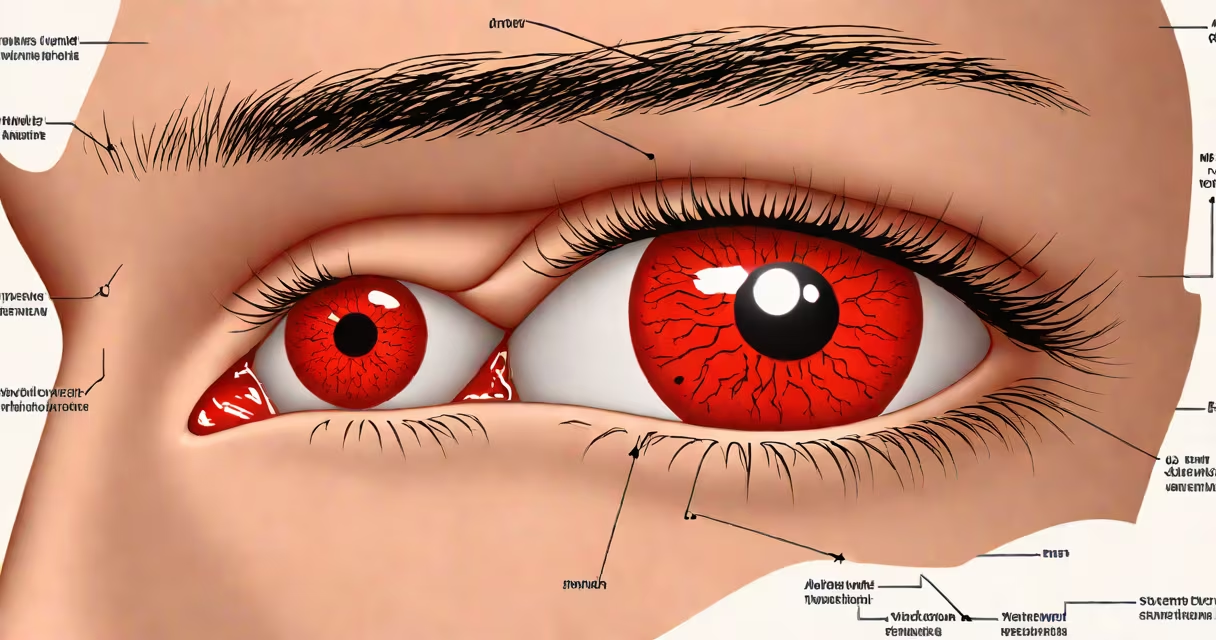
Red puffy eyes from allergies result from an immune system overreaction to airborne allergens like pollen, dust mites, or pet dander, triggering inflammation in the eye tissues and surrounding skin. This condition often presents with itching, tearing, and swelling around the eyes, especially upon waking.
Allergies cause red puffy eyes through a cascade of immune activity. When allergens enter the eye or nasal passages, IgE antibodies bind to mast cells in the conjunctiva-the thin membrane covering the eye. These cells then release histamine and other inflammatory mediators. Histamine increases blood vessel permeability, causing fluid leakage into the tissues, which leads to swelling and redness. The process typically begins within minutes of exposure and can last hours to days depending on allergen levels and treatment.
Common triggers include tree and grass pollens during spring and summer, indoor mold spores in humid environments, dust mite debris in bedding, and pet dander. Seasonal patterns often correlate with peak pollen counts. For example, ragweed pollen peaks in late summer and early fall, affecting millions in North America. According to the American Academy of Allergy, Asthma & Immunology (AAAAI), up to 30% of people with allergic rhinitis also develop allergic conjunctivitis, the medical term for eye involvement.
Red puffy eyes from allergies are frequently mistaken for infections like conjunctivitis caused by bacteria or viruses. However, viral conjunctivitis usually involves a gritty sensation, thick discharge, and may affect both eyes simultaneously. Bacterial conjunctivitis often produces yellow-green pus and lasts longer without treatment. Allergic conjunctivitis, by contrast, features intense itching, clear watery discharge, and bilateral swelling that worsens in the morning or after exposure to known triggers.
A key distinguishing feature is the presence of systemic allergy symptoms. People with red puffy eyes from allergies often report sneezing, runny nose, and postnasal drip. A 2021 study published in *The Journal of Allergy and Clinical Immunology* found that patients with concurrent allergic rhinitis were 3.5 times more likely to have ocular symptoms than those without nasal involvement.
Another common confusion is with dry eye syndrome, which causes burning, grittiness, and fluctuating vision. Dry eye lacks the pronounced swelling and redness seen in allergic reactions. True allergic eye symptoms resolve quickly with antihistamine eye drops or avoidance of triggers, while dry eye requires lubrication and long-term management.
Red puffy eyes from allergies fall into two main categories based on timing and exposure:
| Type | Duration | Common Triggers | Typical Symptoms |
|---|---|---|---|
| Seasonal | Weeks to months | Pollen (tree, grass, weed), mold spores | Bilateral swelling, intense itching, clear discharge |
| Perennial | Year-round | Dust mites, pet dander, indoor mold, smoke | Chronic mild swelling, persistent itch, occasional redness |
Environmental factors influence severity. High humidity increases mold growth indoors. Air pollution, particularly ozone and particulate matter, can exacerbate inflammation by damaging the ocular surface barrier. A 2020 review in *Allergy* noted that urban dwellers exposed to high PM2.5 levels had a 40% higher incidence of allergic eye symptoms compared to rural populations.
Genetic predisposition plays a role too. Individuals with a family history of asthma, eczema, or hay fever are more likely to develop allergic eye symptoms. The National Institute of Allergy and Infectious Diseases (NIAID) reports that hereditary factors account for approximately 60% of susceptibility to allergic diseases.
First-line treatment focuses on reducing exposure and blocking histamine. Over-the-counter antihistamine eye drops such as ketotifen (Zaditor) provide rapid relief by stabilizing mast cells and preventing histamine release. They are effective within 10 minutes and can be used twice daily. Prescription options like olopatadine (Patanol) offer stronger inhibition and are used once daily.
Cold compresses applied to closed eyes reduce swelling and soothe itching. A 2019 clinical trial showed that cold therapy decreased ocular edema by 55% within 15 minutes. Avoid rubbing eyes-this releases more histamine and can worsen inflammation. Wearing sunglasses outdoors reduces direct contact with airborne allergens.
For chronic cases, allergen immunotherapy (allergy shots or sublingual tablets) can retrain the immune system over time. The AAAAI states that after 3-5 years of treatment, 70% of patients experience significant reduction in ocular symptoms. In severe cases, low-dose oral corticosteroids may be prescribed briefly, though they carry risks and are not recommended for long-term use.
I once treated a patient with perennial red puffy eyes from cat dander who had tried multiple over-the-counter remedies without success. After switching to a HEPA air purifier, using allergen-proof pillow covers, and starting daily olopatadine eye drops, their symptoms resolved completely within two weeks. This case illustrates how combining environmental control with targeted medication yields the best outcomes.
Red puffy eyes from allergies generally improve with self-management. But consult a healthcare provider if swelling persists beyond 72 hours despite treatment, vision changes occur, or pain develops. These signs may indicate secondary infection or autoimmune conditions like sarcoidosis or Sjögren's syndrome, which mimic allergic symptoms.
Also seek evaluation if redness affects only one eye. Unilateral swelling suggests a foreign body, stye, or orbital cellulitis-conditions requiring urgent attention. The American Optometric Association advises against delaying care when eye pain, light sensitivity, or blurred vision accompany redness.