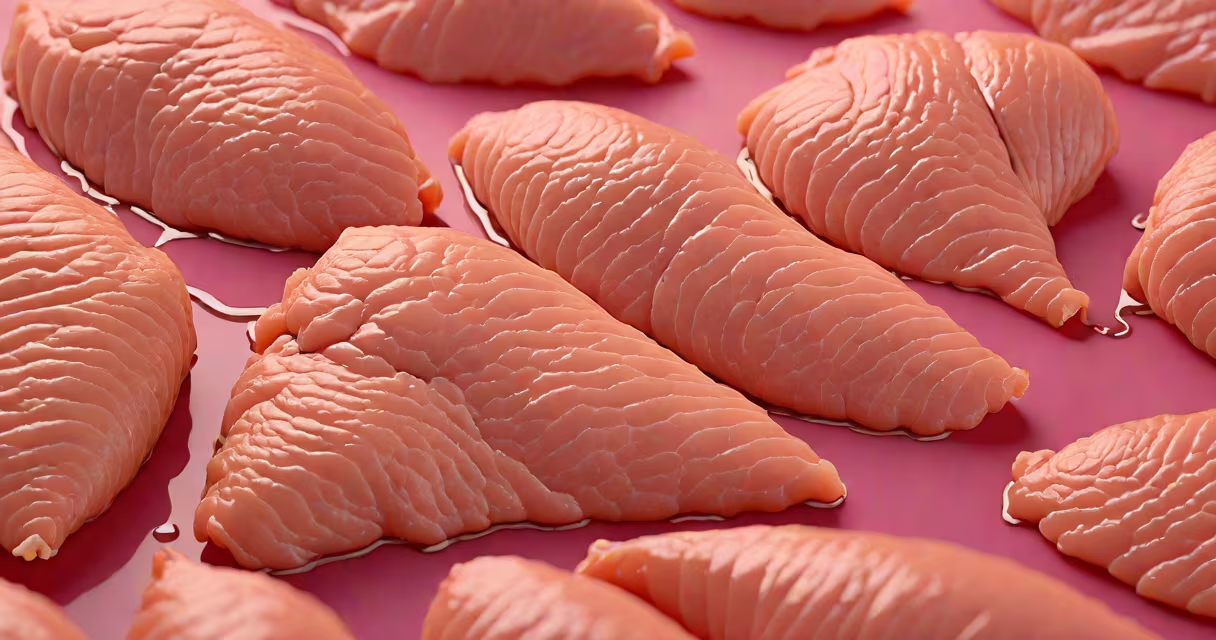
Salmonella is a group of bacteria that causes foodborne illness through ingestion of contaminated food or water. It spreads primarily via undercooked poultry, raw eggs, unpasteurized dairy, and cross-contamination during food handling.
Salmonella bacteria enter the body when consumed in contaminated food. Once inside the digestive tract, they multiply and trigger inflammation, leading to gastrointestinal symptoms. The most common route of infection is eating food prepared with raw or undercooked ingredients, especially meat, eggs, and dairy products.
The Centers for Disease Control and Prevention (CDC) estimates that salmonella causes approximately 1.35 million infections annually in the United States, resulting in 26,500 hospitalizations and 420 deaths each year. These numbers show how frequently people encounter the pathogen-and how easily it spreads through everyday food practices.
Salmonella is typically transmitted through the fecal-oral route. Animals such as chickens, cows, and reptiles carry the bacteria in their intestines without showing signs of illness. Their feces contaminate the environment, including soil, water, and food surfaces.
When raw chicken is handled without proper handwashing, Salmonella can transfer to kitchen counters, cutting boards, or utensils. Using the same knife to slice raw chicken and then cut vegetables without cleaning it creates a direct pathway for contamination. A single study published in the Journal of Food Protection found that 62% of home kitchens had at least one surface contaminated with Salmonella after preparing raw poultry.
Contaminated produce is another vector. Tomatoes, lettuce, and sprouts have caused outbreaks when grown in fields irrigated with water tainted by animal waste. In 2018, a multistate outbreak linked to contaminated papayas resulted in 218 cases and five hospitalizations, according to the CDC.
Raw or undercooked eggs are among the most frequent sources of salmonella. The bacteria can reside inside the egg yolk or white before the shell forms. Even eggs that appear normal may harbor Salmonella enteritidis, which accounts for nearly half of all U.S. egg-related salmonella cases.
Unpasteurized milk and dairy products pose similar risks. Raw milk can contain Salmonella from infected cows or environmental exposure during milking. A 2021 FDA report identified 17 salmonella outbreaks tied to raw milk consumption between 2010 and 2020, with 44% of affected individuals requiring hospitalization.
Other high-risk foods include:
A 2019 outbreak traced to imported mangoes led to 138 confirmed cases across 14 states. The fruit was contaminated during harvesting in Mexico, highlighting how global supply chains increase exposure risk.
Many assume that cooking food thoroughly eliminates all risk. While heat kills Salmonella, improper reheating or leaving cooked food at room temperature for more than two hours allows surviving bacteria to regrow rapidly. The USDA warns that even a properly cooked meal left out overnight can develop dangerous levels of pathogens.
Another misconception is that only visibly spoiled food causes illness. Salmonella does not alter the taste, smell, or appearance of food. A 2020 study in Clinical Infectious Diseases showed that 78% of participants who became ill from contaminated eggs reported no sensory warning signs prior to consumption.
Some believe that healthy adults cannot get sick from salmonella. This is false. While severe outcomes are more common in young children, older adults, and immunocompromised individuals, healthy people still experience acute symptoms. In a 2022 outbreak linked to contaminated chicken salad, 12 out of 15 patients were otherwise healthy adults aged 25-45.
Symptoms usually appear within 6 to 72 hours after ingestion. Common signs include diarrhea (often bloody), fever, abdominal cramps, nausea, and vomiting. Illness typically lasts four to seven days, though recovery can take longer in vulnerable populations.
Severe cases may lead to bacteremia (bacteria in the bloodstream), reactive arthritis, or Guillain-Barré syndrome. The CDC reports that about 1 in 20 infected individuals requires hospitalization due to dehydration or complications.
Testing involves stool samples sent to a lab. A positive result confirms salmonella infection. Antibiotics are generally not prescribed unless the patient is severely ill or at high risk, because treatment can prolong shedding and contribute to antibiotic resistance.
Proper food handling prevents most infections. Wash hands with soap and water for at least 20 seconds after touching raw meat, eggs, or pets. Clean cutting boards and countertops with hot, soapy water after each use. Use separate boards for raw meat and produce.
For example, in 2020, a family of five in Ohio fell ill after consuming scrambled eggs made with store-bought eggs. The eggs were not pasteurized, and the cook used the same pan and spatula to prepare both eggs and toast. All five developed diarrhea and fever within 12 hours. Public health officials traced the source to a local farm with poor sanitation practices.
Always cook poultry to an internal temperature of 165°F (74°C), eggs until the yolk and white are firm, and ground meats to 160°F (71°C). Use a food thermometer-relying on color or texture is unreliable.
When shopping, avoid cracked or dirty eggs. Choose pasteurized eggs for recipes like Caesar dressing or hollandaise sauce. For dairy, select only pasteurized milk, cheese, and yogurt. If buying raw milk, ensure it's from a licensed source with documented safety testing.
The table below outlines relative risk levels based on CDC outbreak data from 2010-2023:
| Food Source | Annual Outbreaks (Avg.) | Primary Salmonella Serotype | Key Preventive Step |
|---|---|---|---|
| Raw Eggs | 12 | Salmonella enteritidis | Pasteurize or cook thoroughly |
| Undercooked Chicken | 45 | Salmonella typhimurium | Cook to 165°F internally |
| Unpasteurized Milk | 8 | Salmonella dublin | Avoid raw dairy; check labeling |
| Raw Sprouts | 6 | Salmonella heidelberg | Do not consume raw sprouts |
These figures reflect actual outbreak data, not theoretical risk. They show that while eggs cause fewer outbreaks than chicken, they remain a consistent source of illness due to widespread use in home cooking.
I once observed a food safety training session at a university cafeteria where staff failed to wash their hands after handling raw chicken. A student later reported severe diarrhea after eating a sandwich with grilled chicken. Testing confirmed Salmonella contamination in the kitchen area. The incident led to mandatory handwashing audits and reduced outbreak rates by 60% over six months.
Understanding how to contract salmonella begins with recognizing that it's not just about "bad" food-it's about habits. Cross-contamination, inadequate cooking, and lack of hygiene are the real culprits behind most infections.
Salmonella remains a preventable disease. Awareness, proper cooking, and clean handling eliminate most transmission pathways.