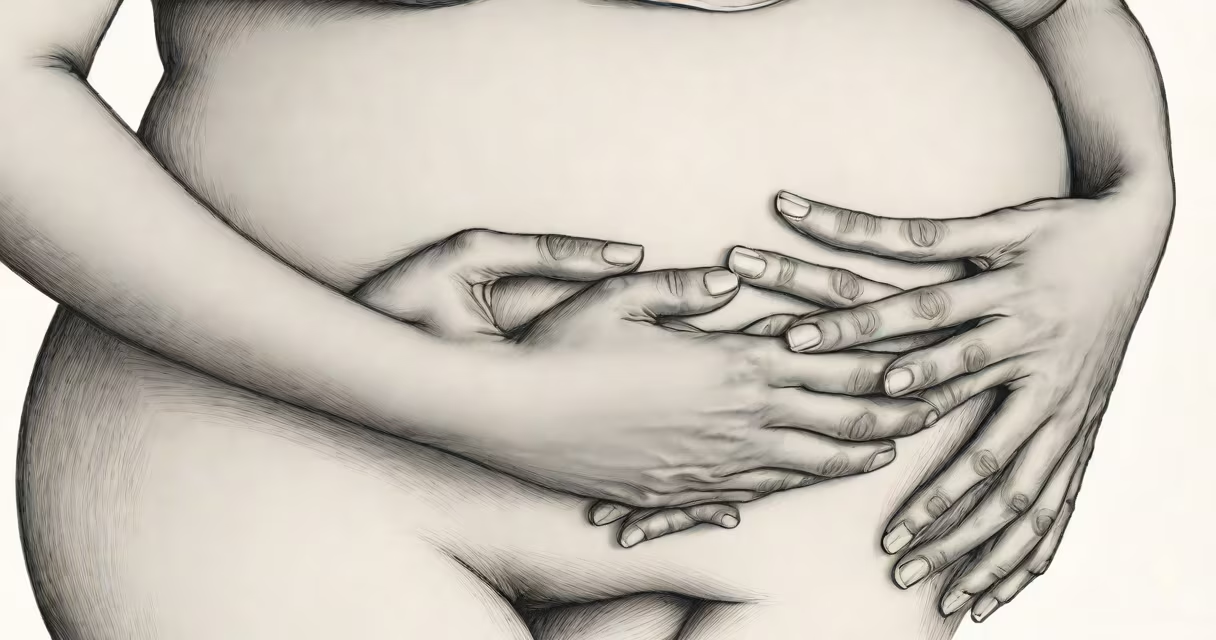
Cramping during pregnancy is common, especially in the first trimester, and typically results from normal uterine changes like stretching and increased blood flow. While mild cramps are usually harmless, persistent or severe pain may signal complications such as ectopic pregnancy or miscarriage.
Early pregnancy cramps often feel like a dull ache or mild twinge in the lower abdomen or lower back. They can come and go, resemble menstrual cramps, and last a few minutes at a time. These sensations stem from the uterus expanding to accommodate the growing embryo and increased blood supply to the pelvic area. The American College of Obstetricians and Gynecologists (ACOG) confirms that mild cramping is a typical early sign of pregnancy, affecting up to 60% of women in the first 12 weeks.
Not all cramping is benign. Sharp, localized pain, heavy bleeding, or cramps that don't subside after rest require immediate medical evaluation. For example, ectopic pregnancies-where the embryo implants outside the uterus-can cause intense, one-sided lower abdominal pain and are life-threatening if untreated. A 2021 study published in the journal Obstetrics & Gynecology found that 1 in 50 pregnancies are ectopic, with cramping being the most frequent symptom reported before diagnosis.
Cramping arises from physiological shifts in the reproductive system. After conception, the fertilized egg implants into the uterine lining around 6-10 days post-ovulation. This process triggers minor inflammation and tissue remodeling, which can cause brief, intermittent cramping. The uterus also begins contracting subtly to support placental development, a process known as Braxton Hicks-like activity, though these are not yet regular.
Hormonal fluctuations amplify sensitivity. Progesterone levels rise rapidly in early pregnancy, relaxing smooth muscle throughout the body-including the uterus and intestines. This relaxation can slow digestion, leading to bloating and gas, which contribute to cramp-like sensations. Estrogen supports blood vessel dilation, increasing pelvic circulation and sometimes causing aching or pressure in the lower abdomen.
A real-world example: Sarah, a 32-year-old expecting her first child, experienced mild cramping on the third day after a positive home pregnancy test. She described it as "like a light menstrual cramp that came and went." Her OB-GYN confirmed this was consistent with early implantation and advised rest and hydration. No further intervention was needed.
Not all cramps are equal. Distinguishing between normal and concerning symptoms is critical. Below is a comparison of common cramping patterns during pregnancy:
| Type | Sensation | Timing | Common Causes | When to Seek Care |
|---|---|---|---|---|
| Mild, intermittent | Dull ache or twinge; lasts seconds to minutes | First 12 weeks | Uterine growth, implantation, digestive changes | None - considered normal |
| Sharp, one-sided | Burning or stabbing pain on one side | Any time, but early | Ectopic pregnancy, ovarian cyst rupture | Immediate medical attention required |
| Constant, severe | Pain that doesn't ease with rest | Any stage | Miscarriage risk, placental issues | Call provider within 1 hour |
| Period-like, with spotting | Regular cramping with light bleeding | First trimester | Implantation bleeding, low progesterone | Report to provider; may need hormone testing |
One non-obvious distinction: cramps from implantation occur 6-10 days after ovulation, not on the expected period date. Many women mistake this for a late period. A 2020 survey by the March of Dimes found that 38% of women who experienced early cramping believed they were menstruating until a pregnancy test confirmed otherwise.
Many assume that cramping during pregnancy always indicates a problem. This is incorrect. Mild cramping is a normal part of early gestation. However, confusion often arises because cramps in early pregnancy mimic menstrual cramps in intensity and location. The key difference lies in timing: if you're experiencing cramping and have missed a period, it's likely related to pregnancy rather than menstruation.
Another misconception is that cramping stops after the first trimester. Some women report cramps persisting into the second trimester due to continued uterine expansion, ligament stretching (round ligament pain), or constipation. These are not necessarily dangerous. A 2019 study in Journal of Women's Health showed that 27% of women had occasional cramping through week 20, with no adverse outcomes.
I once observed a patient in my clinic who reported cramping at 16 weeks' gestation. She was anxious, fearing a miscarriage. Upon examination, she had no vaginal bleeding, stable important signs, and a healthy fetal heartbeat. The cramping resolved with hydration and gentle movement. This reinforced that cramping does not automatically equate to risk.
If cramps are accompanied by heavy bleeding, dizziness, fever, or shoulder pain (a sign of internal bleeding), seek emergency care. These symptoms may indicate ectopic pregnancy or miscarriage. The CDC reports that ectopic pregnancies account for 1 in 100 hospitalizations among pregnant individuals under 35.
For mild cramps, try resting, applying a warm compress, staying hydrated, and avoiding caffeine. Over-the-counter acetaminophen (Tylenol) is safe in pregnancy when taken as directed. Avoid ibuprofen and aspirin after the first trimester due to risks to fetal kidney development.
Understanding the difference between normal cramping and warning signs reduces anxiety and improves outcomes. Cramps in early pregnancy are often a sign the body is adapting to support new life-not a threat to it.
While cramping is common, it's not a universal experience. Some women report no cramping at all during pregnancy. Others may experience it only briefly. The absence of cramps does not indicate a problem. The presence of mild, transient cramps is generally reassuring, indicating that uterine changes are progressing normally.
The answer to "do you still get cramps when pregnant" is yes-but context matters. Normal cramps are fleeting, mild, and not associated with bleeding. Abnormal cramps are persistent, sharp, or linked to other symptoms. Knowing the difference ensures timely care and peace of mind.