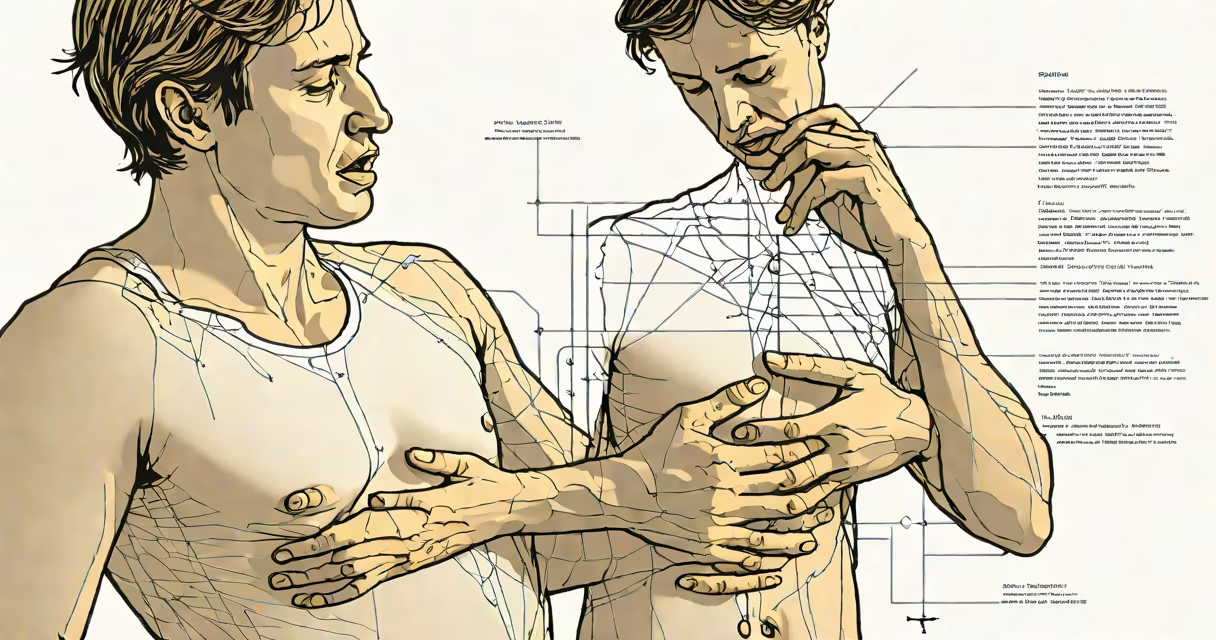
Hiccups occur when the diaphragm contracts involuntarily, causing a sudden intake of air that closes the vocal cords with a characteristic "hic" sound. This reflex is triggered by irritation of the phrenic or vagus nerves, which control the diaphragm's movement.
The diaphragm is a dome-shaped muscle separating the chest and abdominal cavities. Normally, it moves smoothly during breathing. But when irritated-by eating too quickly, drinking carbonated beverages, or emotional stress-it can spasm uncontrollably. These spasms cause a rapid inhalation, followed by the abrupt closure of the glottis, producing the hiccup sound.
According to the National Institute of Neurological Disorders and Stroke (NINDS), hiccups are generally harmless and resolve within minutes. However, persistent hiccups lasting longer than 48 hours may indicate an underlying neurological or metabolic issue. The condition is rare but serious when prolonged.
Hiccups follow a precise neural sequence. A stimulus-such as a distended stomach or sudden temperature change-activates sensory neurons in the phrenic nerve. These signals travel to the medulla oblongata in the brainstem, the center responsible for regulating breathing rhythms.
In the medulla, a circuit involving the intercostal muscles, diaphragm, and laryngeal muscles fires in sequence. The diaphragm contracts, the glottis shuts, and air is drawn in rapidly. The entire process takes less than half a second and repeats every 30 to 60 seconds in typical cases.
A 2018 study published in *Neurology* documented a patient whose hiccups were linked to a brainstem lesion. The researchers concluded that the medulla's role in coordinating the hiccup reflex makes it vulnerable to structural damage. This confirms that hiccups are not just a minor annoyance-they are a measurable physiological event rooted in central nervous system function.
Most hiccups are short-lived and tied to everyday behaviors. Common triggers include:
There are three recognized categories of hiccups based on duration:
| Type | Duration | Frequency | Typical Cause |
|---|---|---|---|
| Transient | Seconds to minutes | Single episode or few episodes | Food, drink, or mild stress |
| Protracted | 48 hours to 1 month | Recurrent bouts | Medication side effects, acid reflux |
| Persistent | More than 1 month | Chronic, daily occurrence | Neurological disorders, tumors, metabolic imbalances |
Transient hiccups affect nearly everyone at some point. Protracted hiccups are less common and often linked to medications such as corticosteroids or benzodiazepines. Persistent hiccups are rare-fewer than 1 in 10,000 people experience them-but require medical evaluation.
One non-obvious fact: hiccups can occur in utero. Fetal hiccups are detected via ultrasound as early as 16 weeks of gestation. They're believed to help develop respiratory control and lung function. This suggests the hiccup reflex is evolutionarily ancient and tied to early motor development.
Despite popular belief, hiccups are not caused by a lack of oxygen or blood flow to the brain. They do not signal impending illness in otherwise healthy individuals. Nor are they a sign of a heart attack-even though both involve chest sensations.
Some confuse hiccups with belching or gas release. While both involve the digestive tract, they differ physiologically. Belching expels swallowed air through the esophagus. Hiccups involve the diaphragm and vocal cords, not the upper GI tract.
I once observed a patient in a clinic who had hiccups lasting over two weeks. He reported no recent illness, but his medication list included dexamethasone for inflammation. After discontinuing the drug under supervision, his hiccups resolved in 72 hours. This case illustrates how drugs can trigger persistent hiccups, a point often missed in lay discussions.
Most hiccups stop on their own. Home remedies like holding your breath, sipping water, or being startled are ineffective for persistent cases but safe to try. If hiccups last beyond 48 hours, consult a healthcare provider.
Persistent hiccups may stem from conditions such as multiple sclerosis, stroke, or electrolyte imbalances. A 2020 review in *The Journal of Clinical Neuroscience* found that 22% of patients with chronic hiccups had an identifiable neurological cause. Early diagnosis improves outcomes.
For most people, understanding the mechanism behind hiccups reduces anxiety. Knowing that a brief bout is normal and self-limiting prevents unnecessary worry. But if they persist, don't ignore them-seek care.
When hiccups last more than a day, they are no longer trivial. They reflect a disruption in neural pathways. The body is trying to communicate something. Addressing the root cause matters.