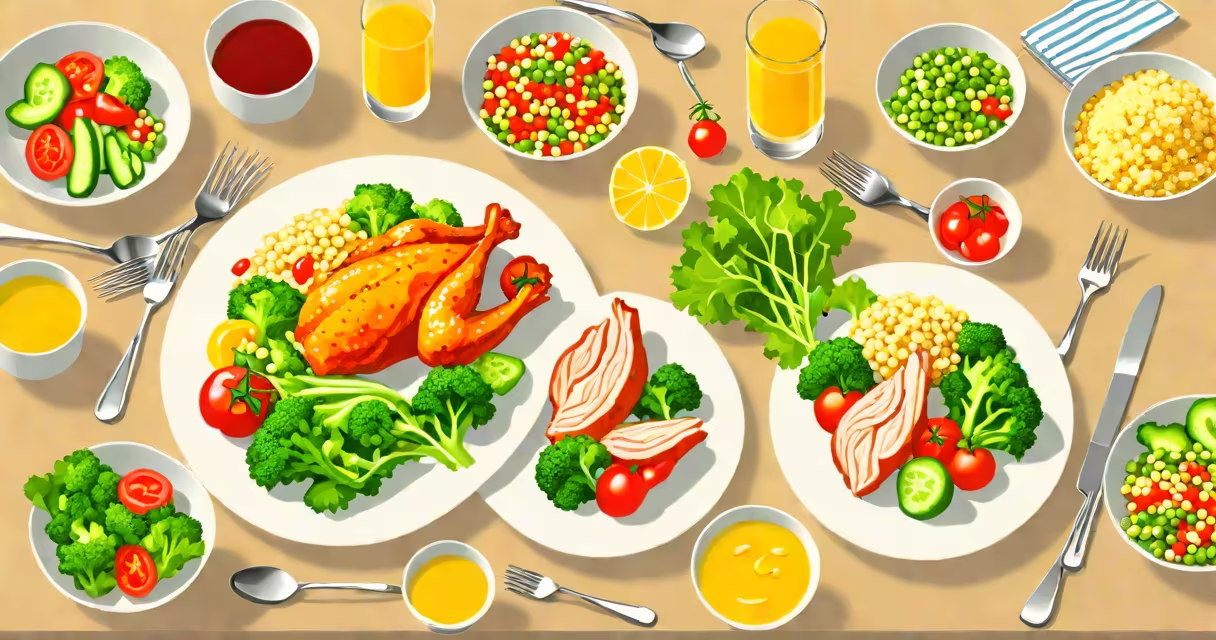
A recommended diet after cholecystectomy emphasizes low-fat, high-fiber, and easily digestible foods to support digestion during recovery. The gallbladder stores bile for fat breakdown, so its absence requires adjusting intake to prevent bloating, diarrhea, or cramping.
After gallbladder removal, the liver continues producing bile, but it flows directly into the small intestine instead of being stored. This change reduces the body's ability to handle large fat loads at once. A well-planned diet minimizes digestive stress and supports healing over the first 4-6 weeks.
The American College of Gastroenterology notes that patients often experience temporary fat malabsorption after cholecystectomy, especially in the first month. Gradual reintroduction of fats prevents gastrointestinal distress. Most people adapt within three months, but dietary habits established early influence long-term comfort.
Without a gallbladder, bile is released continuously rather than in bursts during meals. High-fat meals overwhelm the system, leading to diarrhea, gas, or pain. The recommended diet limits fat intake to 30 grams per day initially, increasing slowly as tolerance improves.
Protein-rich, low-fat foods like skinless poultry, fish, tofu, and eggs are prioritized. These provide essential nutrients without triggering symptoms. Fiber aids bowel regularity and reduces bile acid irritation in the colon, which can cause loose stools.
For example, a patient who eats a 12-ounce ribeye steak (about 70g fat) may develop diarrhea within four hours. Replacing it with grilled salmon (15g fat) and steamed broccoli (2g fat) results in stable digestion. Monitoring portion size and fat content is critical during early recovery.
Focus on lean proteins, cooked vegetables, whole grains, and low-fat dairy. Meals should be small and frequent-four to six times daily-to reduce strain on the digestive system.
| Foods to include | Foods to avoid |
|---|---|
| Baked or grilled fish (salmon, cod) | Fried foods (fries, fried chicken) |
| Boiled or steamed vegetables (zucchini, carrots) | High-fat meats (bacon, sausage) |
| Oatmeal, brown rice, quinoa | Full-fat dairy (cheese, cream) |
| Applesauce, bananas, berries | Processed snacks (chips, cookies) |
| Herbs and lemon juice for flavor | Spicy sauces, garlic-heavy dishes |
Hydration matters. Drinking water between meals supports bile flow and prevents constipation. Limit caffeine and alcohol, which irritate the gut lining. A study in *Clinical Gastroenterology and Hepatology* found that 68% of patients reported improved digestion after reducing saturated fat intake post-surgery.
Many assume they must avoid all fats forever. That's incorrect. The goal is fat tolerance, not elimination. After 4-6 weeks, most patients can consume moderate amounts of healthy fats like olive oil or avocado in small portions.
Another error is rushing into solid foods too soon. Immediately after surgery, clear liquids (water, broth, weak tea) are advised for 24 hours. Progress to soft foods like mashed potatoes and applesauce before advancing to solids. Skipping stages increases nausea and vomiting risk.
Some confuse post-cholecystectomy symptoms with food allergies. Bloating after eating beans isn't due to allergy-it's because fiber fermentation increases gas production. Introducing fiber gradually helps the gut adjust. A 2021 review in *Digestive Diseases and Sciences* confirmed that 44% of patients misattributed symptoms to food intolerance when they were actually related to fat digestion.
Mark, a 52-year-old man, had laparoscopic cholecystectomy on a Tuesday. His recovery plan:
By week 6, Mark reported no digestive issues on a balanced diet. He maintained a 30g fat limit for two weeks before increasing to 45g. His doctor confirmed normal liver function tests and stable weight.
Diarrhea lasting more than five days, persistent nausea, or fever above 100.4°F requires evaluation. These may signal infection or bile duct injury. The National Institute of Diabetes and Digestive and Kidney Diseases states that 1-2% of patients develop post-cholecystectomy syndrome, characterized by ongoing pain or digestive problems.
If symptoms persist beyond eight weeks, consider a referral to a gastroenterologist. Tests like a hepatobiliary iminodiacetic acid (HIDA) scan can assess bile flow and rule out structural issues.
Recovery varies, but most patients stabilize within six weeks. Consistent meal planning, symptom tracking, and communication with healthcare providers ensure successful adaptation. The recommended diet after cholecystectomy is not a permanent restriction-it's a transitional strategy to restore digestive function.