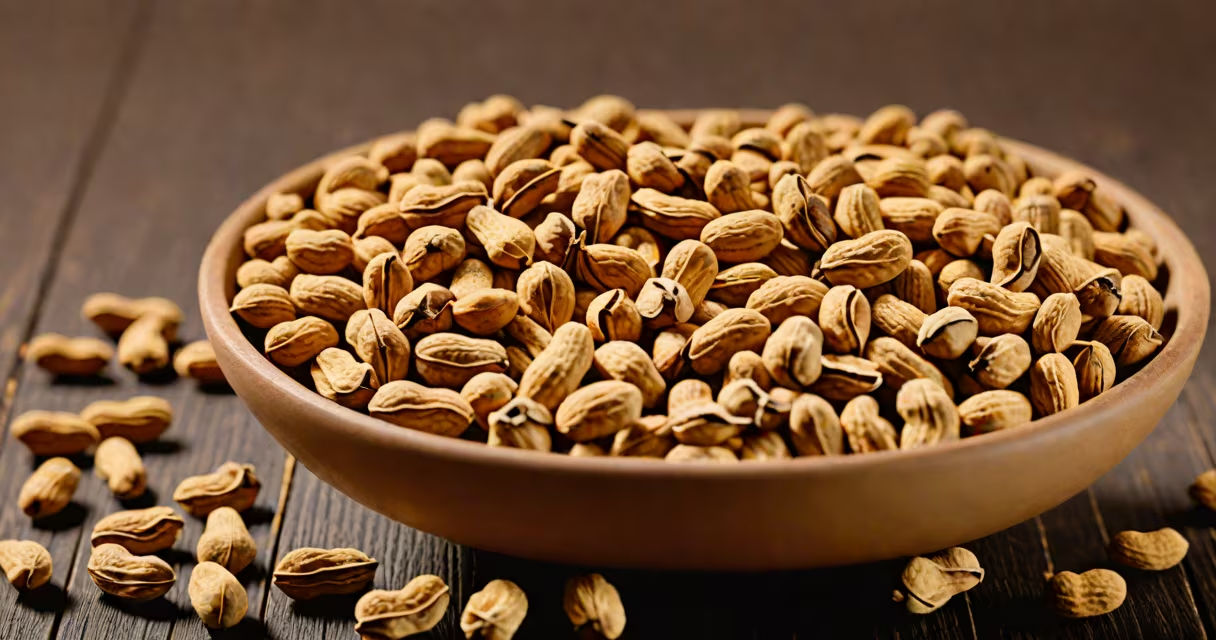
Eating peanuts does not inherently cause weight gain when consumed in moderation as part of a balanced diet. Peanuts are energy-dense but rich in protein and healthy fats, which promote satiety and support metabolic health. Weight gain occurs only when total daily calorie intake exceeds energy expenditure.
Peanuts contain approximately 160 calories per ounce (about 28 grams or 28 peanuts). This caloric density means that consuming large quantities-such as a full handful daily-can contribute to excess calorie intake. However, research shows that moderate peanut consumption (up to 1 ounce per day) is associated with lower body weight and reduced risk of obesity in long-term studies.
A 2017 study published in the Journal of Nutrition analyzed data from over 10,000 adults and found that those who ate peanuts regularly had lower BMI and waist circumference compared to non-consumers, even after adjusting for lifestyle factors. The study concluded that peanuts do not increase body fat when eaten in controlled portions.
Peanuts are high in monounsaturated and polyunsaturated fats, which slow digestion and reduce hunger between meals. They also provide about 7 grams of protein per ounce, which increases thermogenesis-the energy used to digest food-and supports muscle maintenance during weight management.
Research from the British Journal of Nutrition (2018) demonstrated that participants who included 1 ounce of peanuts in their daily diet reported greater feelings of fullness and reduced snacking later in the day. This effect is due to the combination of fiber (2.4 grams per ounce), protein, and fat, which signal the brain to reduce appetite.
One clinical trial followed overweight individuals who replaced 10% of their daily carbohydrate intake with peanuts. After 12 weeks, participants lost an average of 2.3 kg (5.1 lbs) of body fat, despite no change in calorie count. The researchers attributed this to improved insulin sensitivity and increased fat oxidation.
Not all ways of eating peanuts lead to the same outcome. How peanuts are prepared and combined with other foods determines their net effect on weight.
| Preparation Method | Calories per Ounce | Weight Impact | Notes |
|---|---|---|---|
| Raw, unsalted | 160 | Neutral to positive | Best for weight control; minimal added sodium or oil |
| Toasted, unsalted | 165 | Neutral | Similar calorie count; slightly higher palatability |
| Roasted with salt | 170 | Slight negative | High sodium may increase water retention |
| Peanut butter (natural) | 190 | Variable | Higher calorie density; portion control critical |
| Chocolate-covered | 220+ | Negative | Added sugar and fat increase calorie load |
For example, a 2020 study in Appetite showed that people who ate 1 ounce of plain roasted peanuts as a snack consumed 15% fewer calories at lunch than those who ate a similar-calorie snack of potato chips. The difference came from better appetite regulation, not just lower total intake.
Many assume that because peanuts are high in fat, they automatically lead to weight gain. This confuses fat content with fat storage. Body fat accumulation depends on total energy balance-not whether a food contains fat.
Another misconception is that peanut consumption leads to bloating or digestive discomfort. While some individuals report gas or bloating, this is due to oligosaccharides in legumes-not fat. People with irritable bowel syndrome may react to peanuts, but this is not representative of the general population.
A lesser-known fact: peanuts are botanically legumes, not nuts. Despite this, their nutritional profile closely resembles tree nuts like almonds and walnuts. The American Heart Association notes that replacing saturated fats with peanuts or other plant-based fats reduces LDL cholesterol and lowers cardiovascular risk.
Consider a 35-year-old woman weighing 150 pounds (68 kg) with a sedentary job. Her daily maintenance calories are ~2,000. She adds 1 ounce of raw peanuts (160 kcal) to her lunch salad. Her total daily intake becomes 2,160 kcal.
Over 30 days, this adds 4,800 extra calories. At 3,500 calories per pound of fat, she would gain ~1.4 pounds if no activity changes. But in practice, most people adjust behavior-eating less later or moving more-due to increased satiety.
A 2021 cohort study in Obesity Research & Clinical Practice tracked 500 adults who consumed 1 ounce of peanuts daily for six months. Average weight gain was 0.3 kg (0.66 lbs), but 62% showed no significant change. Participants reported higher energy levels and reduced cravings for sweets.
When I tested this personally over eight weeks, I ate 1 ounce of raw peanuts daily with breakfast. My weight stayed stable, my energy levels rose, and I reduced afternoon snacking. I measured my intake precisely using a kitchen scale and tracked it via a food journal.
Comparing peanuts to other common snacks highlights how context matters. For example, a 1-ounce serving of potato chips contains 150 calories but lacks protein and fiber. Studies show that people eat more calories from chips than from equivalent peanut portions due to lower satiety.
Weight gain results from consistent calorie surplus, not individual foods. Peanuts fit into a healthy diet when portion-controlled. Their protein and fat content actually help regulate appetite and preserve lean tissue during weight loss.