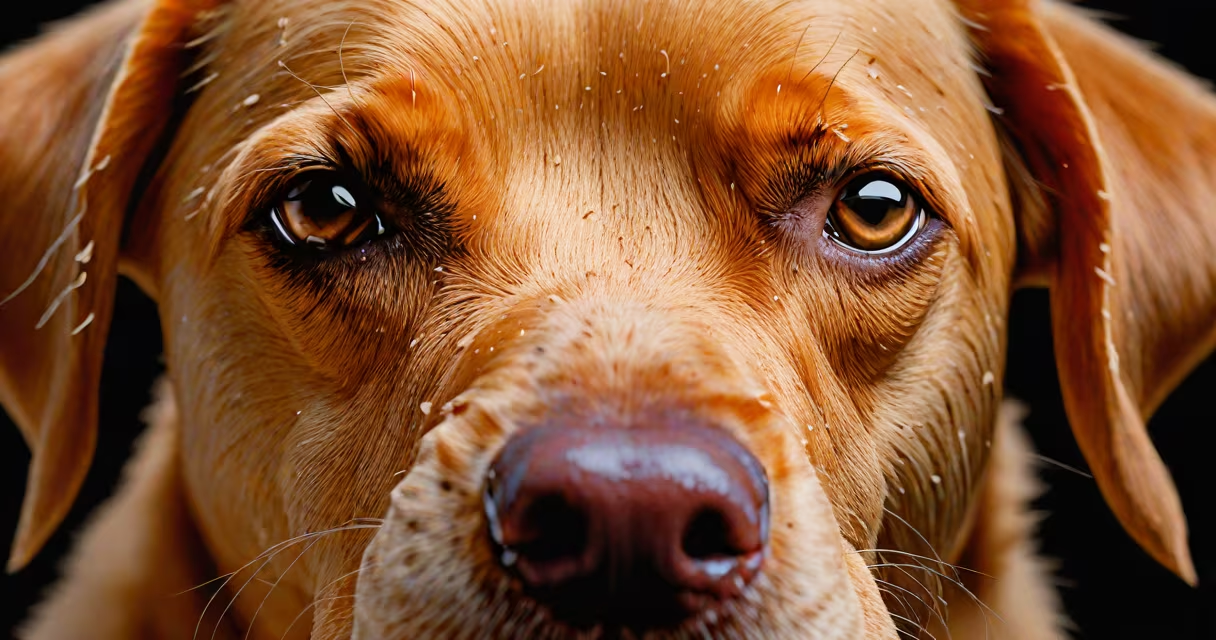
Dog flaky skin and hair loss occur when the skin barrier breaks down due to infection, allergy, hormonal imbalance, or poor nutrition. This condition affects breeds of all sizes and ages, often appearing as dry, scaly patches and thinning fur.
Flaky skin results from excessive shedding of dead skin cells. Hair loss follows when inflammation damages follicles or when the dog scratches, licks, or bites affected areas. These symptoms rarely stem from a single cause. They often indicate an underlying issue requiring diagnosis and treatment.
Left untreated, flaky skin and hair loss can lead to secondary bacterial or yeast infections, chronic discomfort, and worsening coat quality. Early recognition improves outcomes.
The skin acts as a protective barrier. When compromised, moisture escapes, irritants enter, and immune responses trigger inflammation. This leads to flaking and hair follicle damage.
Common triggers include allergens-like pollen, dust mites, or certain food proteins-that provoke immune reactions. The body releases histamines, causing itchiness, redness, and swelling. Scratching worsens flaking and accelerates hair loss.
Yeast (Malassezia) and bacteria thrive in inflamed skin. A 2021 study in Veterinary Dermatology found Malassezia overgrowth in 68% of dogs with seborrhea-like symptoms. This fungus feeds on skin oils, increasing flaking and triggering further irritation.
Several conditions produce similar symptoms. Accurate identification requires veterinary evaluation.
| Type | Key Features | Common Triggers |
|---|---|---|
| Allergic dermatitis | Itching, redness, flaking on ears, belly, paws | Flea saliva, food proteins, environmental allergens |
| Seborrheic dermatitis | Oily or dry flaking, greasy coat, odor | Genetic predisposition, hormonal imbalances |
| Parasitic infestation | Intense scratching, crusts, localized hair loss | Fleas, mites (e.g., Demodex) |
| Hormonal disorders | Generalized thinning, symmetrical hair loss | Hypothyroidism, Cushing's disease |
For example, a 3-year-old Shih Tzu with flaky skin around the tail base and ears likely has allergic dermatitis. Flea allergy dermatitis (FAD) causes intense itching even from one bite. A 2020 study in Journal of Veterinary Internal Medicine reported FAD accounts for 30% of canine pruritus cases.
Some owners mistake seborrhea for poor grooming. But seborrhea involves abnormal sebum production, not dirt. Dogs with this condition often have thick, waxy flakes and a musty smell. It's more common in breeds like West Highland White Terriers and Cocker Spaniels.
Flaky skin and hair loss are not always due to dryness. Some dogs have oily skin with flaking-known as seborrhea oleosa. Others develop thickened, hyperpigmented skin from chronic licking, called lichenification.
A common misstep is treating flaking with over-the-counter shampoos without addressing root causes. One client brought in a 5-year-old Bichon Frise with severe flaking and patchy hair loss. Initial treatment with a moisturizing shampoo helped temporarily. But the problem returned until a vet diagnosed hypothyroidism via blood tests.
Another misconception: that hair loss always means illness. Seasonal shedding in spring and fall is normal. However, sudden bald spots-especially on the back, legs, or tail-are not typical shedding. They signal disease.
Vets use multiple tools to identify the cause. Skin scrapings detect mites. Cytology checks for yeast or bacteria. Blood work rules out hormone imbalances. Allergy testing may involve intradermal or serum tests.
Treatment depends on the diagnosis. For flea allergy, strict flea control with prescription preventatives is essential. Food allergies require elimination diets lasting 8-12 weeks. Steroid-free anti-itch treatments like ciclosporin are used for severe cases.
In my experience, a 7-year-old Dachshund with persistent flaking and hair loss improved after switching to a hydrolyzed protein diet. The owner had tried several shampoos and supplements without success. After a vet confirmed food allergy, the dog's coat regrew within six weeks.
For fungal infections, antifungal shampoos like chlorhexidine or miconazole are prescribed. Antibiotics treat secondary bacterial infections. Topical treatments reduce scaling and soothe irritation.
Regular grooming helps catch early signs. Check ears, paws, and under the tail weekly. Use a fine-tooth comb to spot flakes or bald spots.
Nutrition matters. Omega-3 fatty acids support skin barrier function. A 2019 study in Frontiers in Veterinary Science showed dogs fed diets rich in EPA and DHA had less flaking after 12 weeks.
Environmental control reduces allergen exposure. Wash bedding weekly. Use HEPA filters. Avoid carpeted rooms if airborne allergens are suspected.
Early intervention prevents complications. Most cases resolve with correct diagnosis and targeted therapy. Monitor changes closely and consult a veterinarian if symptoms persist beyond a week of home care.