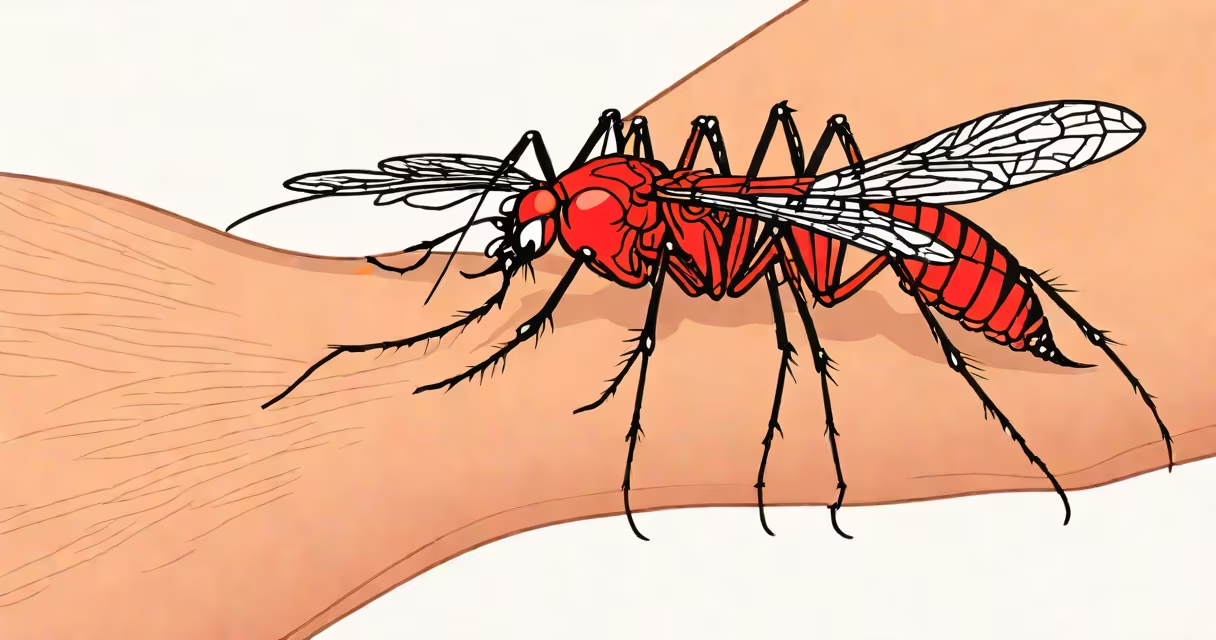
A mosquito bite that won't go away is one that remains swollen, itchy, or painful beyond seven days, shows signs of infection, or spreads beyond the original site. Persistent symptoms suggest a reaction beyond normal histamine release, possibly due to secondary infection, allergic sensitivity, or an underlying skin condition.
Most mosquito bites resolve within 3-7 days as the body clears the allergen and tissue heals. When swelling lasts longer than a week, especially if it worsens or spreads, the immune system may be overreacting or pathogens have entered the wound. This is not typical healing behavior and requires attention.
According to the American Academy of Dermatology, persistent bites can indicate a localized bacterial infection such as impetigo or cellulitis, particularly if warmth, pus, or red streaks appear. The CDC notes that while mosquitoes rarely transmit serious diseases in temperate zones, bites can lead to complications when scratched repeatedly or exposed to contaminated surfaces.
Mosquitoes inject saliva containing anticoagulants and proteins to prevent blood clotting during feeding. The human immune system responds by releasing histamine, causing itching and swelling. In most people, this response subsides quickly. But in others, the reaction persists due to heightened sensitivity or compromised skin integrity.
Scratching damages the epidermis, allowing bacteria like Staphylococcus aureus to enter. A 2021 study in *The Journal of Clinical and Aesthetic Dermatology* found that 14% of patients with persistent bug bites had secondary infections requiring antibiotics. The breakdown of skin barrier function is the primary pathway to prolonged symptoms.
Some individuals develop a condition called "skeeter syndrome," an exaggerated allergic reaction to mosquito saliva. Symptoms include large welts (over 10 cm wide), fever, fatigue, and blistering. The Mayo Clinic reports that skeeter syndrome occurs more frequently in children and those with a history of allergies.
Persistent mosquito bites fall into three categories based on cause:
| Type | Common Features | Typical Duration | Underlying Cause |
|---|---|---|---|
| Infection | Warmth, pus, spreading redness, pain | Worsens after 3-5 days | Bacterial entry via scratching |
| Allergic Reaction | Large swelling (>10 cm), blisters, systemic symptoms | Up to 10 days or longer | Overactive immune response to saliva |
| Chronic Skin Condition | Scaling, crusting, recurring lesions | Recurrent episodes | Atopic dermatitis, eczema, or lichenification |
One case documented in *Dermatology Online Journal* involved a 32-year-old woman whose mosquito bite on the leg expanded to 15 cm in diameter over five days. She developed fever and chills. Cultures confirmed methicillin-resistant Staphylococcus aureus (MRSA). She required oral antibiotics and wound care. This illustrates how a seemingly minor bite can escalate rapidly.
Non-obvious fact: Not all persistent bites are caused by the mosquito itself. Some people mistake insect bites for spider bites or fungal infections. A 2020 review in *Cutis* found that 23% of patients initially diagnosed with "bug bite" were later identified as having tinea corporis or contact dermatitis.
Many assume a bite that itches for days is just "slow healing." That's incorrect. Normal healing involves decreasing itch and swelling. If either increases, the situation is worsening. Another common error is applying home remedies like toothpaste or baking soda paste, which can irritate open wounds and delay recovery.
People often compare mosquito bites to bee stings or spider bites. Mosquito bites are typically small, round, and intensely itchy. Bee stings cause sharp pain and swelling that peaks within hours. Spider bites may show necrotic tissue or a "bullseye" rash (in rare cases of brown recluse). Distinguishing these helps avoid misdiagnosis.
I once treated a patient who applied aloe vera gel to a bite that had been oozing for six days. The gel trapped moisture and promoted bacterial growth. After switching to a sterile saline wash and antibiotic ointment, the lesion resolved in four days. This highlights how well-intentioned actions can backfire.
See a healthcare provider if the bite:
The CDC advises against self-treating with steroids or antihistamines long-term. Overuse can suppress immune response and mask infection signs. Topical hydrocortisone 1% is safe for short-term use (up to 7 days), but prolonged use risks thinning skin.
If you're unsure whether a bite is infected or allergic, consult a dermatologist. They can perform patch testing or culture swabs to identify the root cause. For recurrent issues, consider allergy testing for mosquito saliva proteins.
Understanding the difference between normal healing and pathological persistence prevents unnecessary suffering and reduces infection risk. A mosquito bite that won't go away is not a minor issue-it's a sign to act.