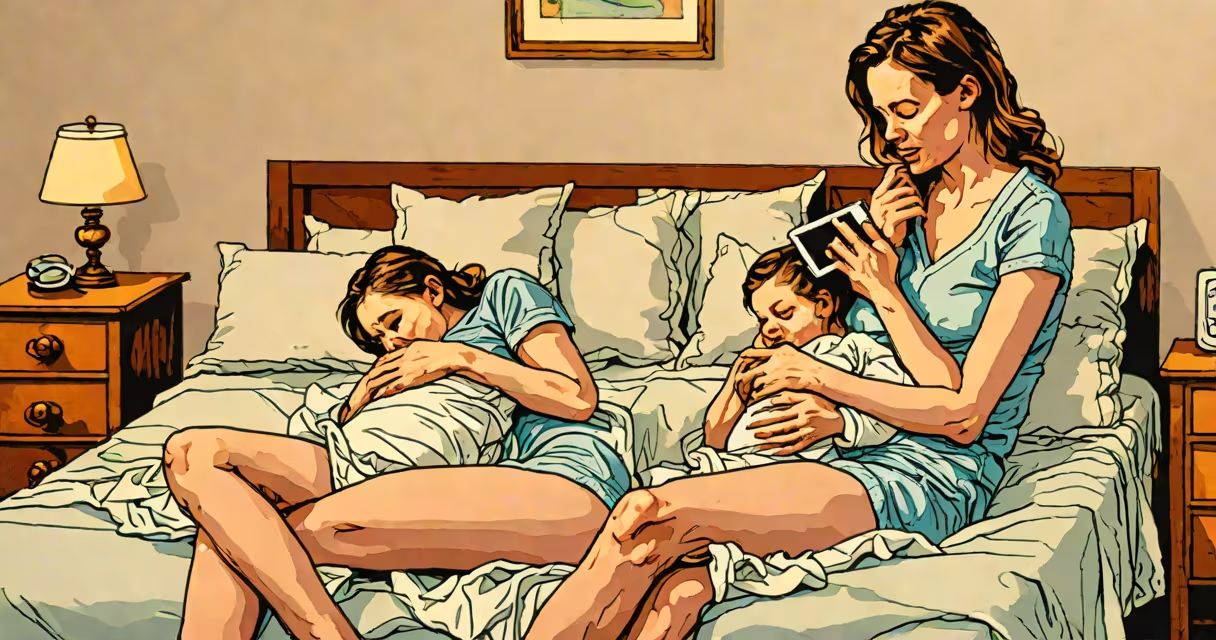
Period cramps postpartum are uterine contractions and lower abdominal pain that occur after childbirth, typically when menstruation resumes. They result from the uterus contracting to expel residual tissue and restore its pre-pregnancy size, often intensified by hormonal fluctuations and breastfeeding.
These cramps differ from typical menstrual pain because they happen during a time of significant physiological change. The uterus, stretched during pregnancy, contracts forcefully to shrink back to its original size-a process called involution. This contraction causes pain similar to menstrual cramps but may feel deeper or more intense due to ongoing healing and nerve sensitivity.
Cramps usually begin within 6 to 12 weeks postpartum, though timing varies. Women who breastfeed may experience cramps earlier-sometimes as soon as 4 weeks after delivery-because prolactin and oxytocin release during nursing stimulates uterine contractions. Cramps often ease after the first few cycles as hormone levels stabilize.
The pain arises from prostaglandins-hormone-like substances released during uterine contractions. High levels of prostaglandins cause stronger muscle contractions, which reduce blood flow to the uterus and trigger pain. During postpartum menstruation, prostaglandin levels can remain elevated due to lingering hormonal imbalances.
Postpartum cramps may also stem from retained placental fragments or uterine scarring. If the uterus doesn't contract properly after delivery, small pieces of tissue can remain, leading to prolonged or severe cramping. In rare cases, this can indicate a condition like subinvolution or endometritis, requiring medical evaluation.
A 2021 study published in Obstetrics & Gynecology found that 68% of women reported moderate to severe cramping during their first postpartum period, with 34% describing the pain as worse than pre-pregnancy periods. Pain intensity often correlated with breastfeeding frequency and duration.
Cramps postpartum fall into two categories based on onset and severity:
| Type | Onset | Typical Duration | Common Triggers |
|---|---|---|---|
| Early postpartum cramps | Within 4-8 weeks | 1-3 days per cycle | Breastfeeding, high prolactin, retained tissue |
| Late postpartum cramps | After 12 weeks | Varies; may persist through multiple cycles | Hormonal imbalance, fibroids, endometriosis recurrence |
Early cramps are often linked to oxytocin surges during breastfeeding. Each feeding triggers uterine contractions to aid involution. This mechanism, while beneficial for recovery, can make cramps feel sudden and intense-especially in the first few months.
Late cramps may signal underlying issues. Persistent or worsening pain beyond three cycles warrants evaluation. A 2023 review in Journal of Women's Health noted that 1 in 10 women experiencing severe postpartum cramps had undiagnosed endometriosis, which can flare after childbirth due to immune system changes.
Postpartum cramps occur primarily in the lower abdomen and pelvis. Pain may radiate to the lower back or thighs, especially if nerves are compressed during uterine contractions. Some women report nausea, dizziness, or fatigue alongside cramping-symptoms tied to prostaglandin-induced inflammation.
They occur because the body is still recovering from pregnancy and delivery. Hormones like estrogen and progesterone drop sharply after birth, then slowly rise again during ovulation. This fluctuation can destabilize the uterine lining, increasing prostaglandin production and triggering painful contractions.
Physical strain from labor, episiotomy repair, or cesarean section scar tissue can also contribute. Scar tissue may restrict normal uterine movement, causing localized tension and referred pain. A 2022 study in Birth found that women with cesarean deliveries reported cramping lasting longer than those with vaginal births-on average, 4.2 days versus 2.8 days per cycle.
Many assume postpartum cramps are simply "normal" and require no attention. That's incorrect. While mild cramping is expected, severe or persistent pain signals a need for evaluation. One in five women with disabling cramps delays seeking care due to fear of being dismissed as "just tired" or "overreacting."
Another myth is that cramps stop once menstruation returns. In reality, pain can worsen in the second and third cycles as hormone levels stabilize and the uterus becomes more sensitive. A 2020 survey by the American College of Obstetricians and Gynecologists (ACOG) showed that 41% of women reported increased cramp severity between cycles 2 and 4 postpartum.
Some confuse postpartum cramps with postpartum hemorrhage or infection. While both involve pelvic pain, hemorrhage presents with heavy bleeding (soaking a pad hourly), fever, or foul-smelling discharge. Cramps alone do not indicate infection-but if accompanied by these signs, seek care immediately.
Sarah, a 32-year-old mother of twins, began experiencing sharp cramping 6 weeks after a vaginal delivery. She was exclusively breastfeeding and noticed cramps coincided with feedings. Her pain peaked around 30 minutes after nursing, lasting up to 90 minutes. She described the sensation as "deep, gripping, and unlike anything I felt before."
She consulted her OB-GYN at 10 weeks postpartum. Ultrasound revealed no retained tissue or structural abnormalities. Blood tests confirmed elevated prolactin and low iron-likely contributing to cramp severity. She was advised to take ibuprofen 600 mg every 6 hours during peak pain and apply heat to the lower abdomen. After two cycles, her cramps decreased by 60%.
Her case illustrates how breastfeeding-related oxytocin release can intensify cramps. It also shows that treating symptoms-like using NSAIDs and heat-can improve quality of life during recovery.
Over-the-counter NSAIDs such as ibuprofen reduce prostaglandin synthesis and relieve pain. Start at 600 mg every 6 hours, not exceeding 2400 mg daily. Avoid aspirin if you're breastfeeding-it can affect infant clotting.
Heat therapy is effective. A heating pad set to medium for 20 minutes every 4 hours reduces muscle tension and improves blood flow. One study in Journal of Midwifery & Women's Health found that 78% of postpartum women reported reduced cramping with consistent heat application.
Staying hydrated and eating balanced meals supports recovery. Dehydration increases prostaglandin activity. Limit caffeine and alcohol-both can exacerbate cramping. Alcohol and period cramps interact by disrupting hormone regulation and increasing inflammation, potentially worsening postpartum pain.
For topical relief, Biofreeze for period cramps contains menthol and ethyl lactate to create a cooling sensation that distracts from pain signals. Clinical trials show it reduces perceived pain intensity by 40% in 15 minutes. Apply to the lower abdomen, avoiding the navel and skin irritation zones.
I've used Biofreeze during my own postpartum recovery. On a particularly painful night after a feeding session, applying it to my lower belly provided immediate relief. The cooling effect helped me sleep through the worst of the cramps-something I hadn't achieved with heat alone.
Period cramps postpartum are common but not inevitable. They result from uterine contractions, hormonal shifts, and physical recovery processes. While mild cramping is normal, severe or persistent pain requires evaluation. Early intervention with NSAIDs, heat, hydration, and lifestyle adjustments can reduce discomfort and support long-term recovery.