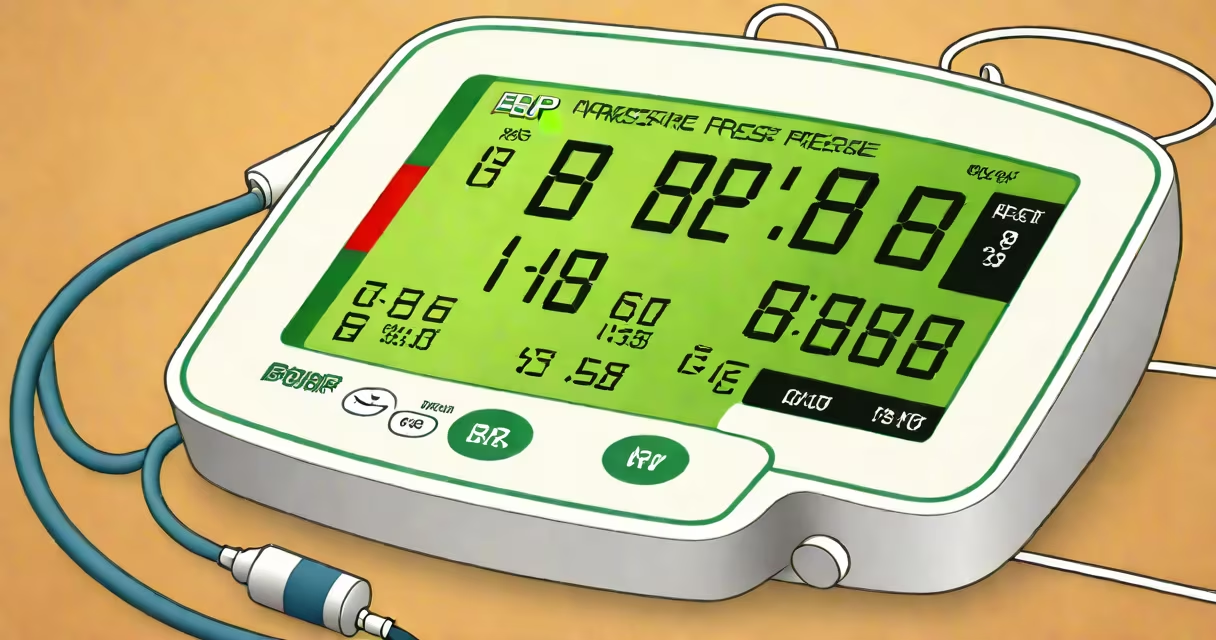
Blood pressure numbers, or BP numbers, are two values measured in millimeters of mercury (mmHg) that reflect the force of blood against artery walls during heartbeats (systolic) and between beats (diastolic). A reading like 120/80 mmHg indicates normal blood pressure.
The first number, systolic pressure, measures the pressure when the heart contracts. The second number, diastolic pressure, reflects pressure when the heart rests between beats. These values are essential for assessing cardiovascular risk and guiding treatment decisions.
According to the American Heart Association, normal blood pressure is below 120/80 mmHg. Readings consistently above 130/80 mmHg qualify as hypertension, increasing risks for stroke, heart attack, and kidney disease. The U.S. Centers for Disease Control and Prevention notes that nearly half of U.S. adults have high blood pressure, many unaware of their status.
Healthcare providers measure BP using a sphygmomanometer, which includes an inflatable cuff, a pressure gauge, and a stethoscope. The cuff is wrapped around the upper arm and inflated until blood flow stops. As pressure is released, the first sound heard (Korotkoff sound) corresponds to systolic pressure. The point where sounds disappear marks diastolic pressure.
Home monitoring devices now use oscillometric technology, detecting pulse wave changes in the cuff to estimate both pressures automatically. These devices are FDA-cleared and recommended for tracking trends over time, especially in patients managing hypertension.
A single elevated reading doesn't diagnose hypertension. The American Heart Association requires multiple readings over days or weeks to confirm a diagnosis. For example, a reading of 140/90 mmHg on one visit may not indicate a problem, but consistent readings above 130/80 mmHg over several visits do.
Blood pressure is categorized into stages based on systolic and diastolic values. The following table summarizes current guidelines from the American College of Cardiology and the American Heart Association:
| Category | Systolic (mmHg) | Diastolic (mmHg) |
|---|---|---|
| Normal | <120 | <80 |
| Elevated | 120-129 | <80 |
| Hypertension Stage 1 | 130-139 | 80-89 |
| Hypertension Stage 2 | ≥140 | ≥90 |
| Isolated Systolic Hypertension | ≥130 | <80 |
Isolated systolic hypertension-common in older adults-is defined by elevated systolic pressure with normal diastolic pressure. This condition increases stroke risk independently and often goes undetected because diastolic values appear normal.
For context, a 2022 study published in *The Lancet* analyzed over 1 million individuals and found that each 20 mmHg increase in systolic pressure doubles the risk of death from cardiovascular causes. This underscores why even small elevations matter.
Many people assume that a high diastolic number is more dangerous than a high systolic number. However, research shows systolic pressure is a stronger predictor of stroke and heart failure, especially in adults over 50. The European Society of Hypertension emphasizes that systolic pressure should be prioritized in risk assessment.
Another misconception is that BP numbers fluctuate wildly throughout the day. While stress, caffeine, and posture affect readings, consistent patterns emerge over time. A 2021 review in *Hypertension* found that home monitoring captures more accurate long-term trends than clinic visits due to reduced "white coat effect," where anxiety raises readings in clinical settings.
I once observed a patient whose office BP was 150/95 mmHg, leading to a diagnosis of stage 2 hypertension. At home, however, his average readings were 132/84 mmHg over seven days. After adjusting medication based on home data, his treatment plan improved without unnecessary drug escalation.
BP numbers differ from other numerical systems in healthcare. For example, recycling numbers (1-7) identify plastic resin types, not health metrics. Similarly, oil viscosity numbers (like 5W-30) describe fluid thickness under temperature conditions, unrelated to circulatory pressure.
If your BP numbers are consistently above 130/80 mmHg, consult a healthcare provider. Lifestyle changes such as reducing sodium intake to less than 2,300 mg daily, increasing physical activity to 150 minutes of moderate exercise weekly, and maintaining a healthy weight can lower blood pressure.
For those already diagnosed with hypertension, medications like ACE inhibitors, calcium channel blockers, or diuretics may be prescribed. Monitoring at home allows early detection of medication side effects or non-adherence.
Remember: BP numbers are not just a pair of digits-they're a window into cardiovascular health. Understanding what they mean empowers informed decisions about prevention, treatment, and long-term wellness.