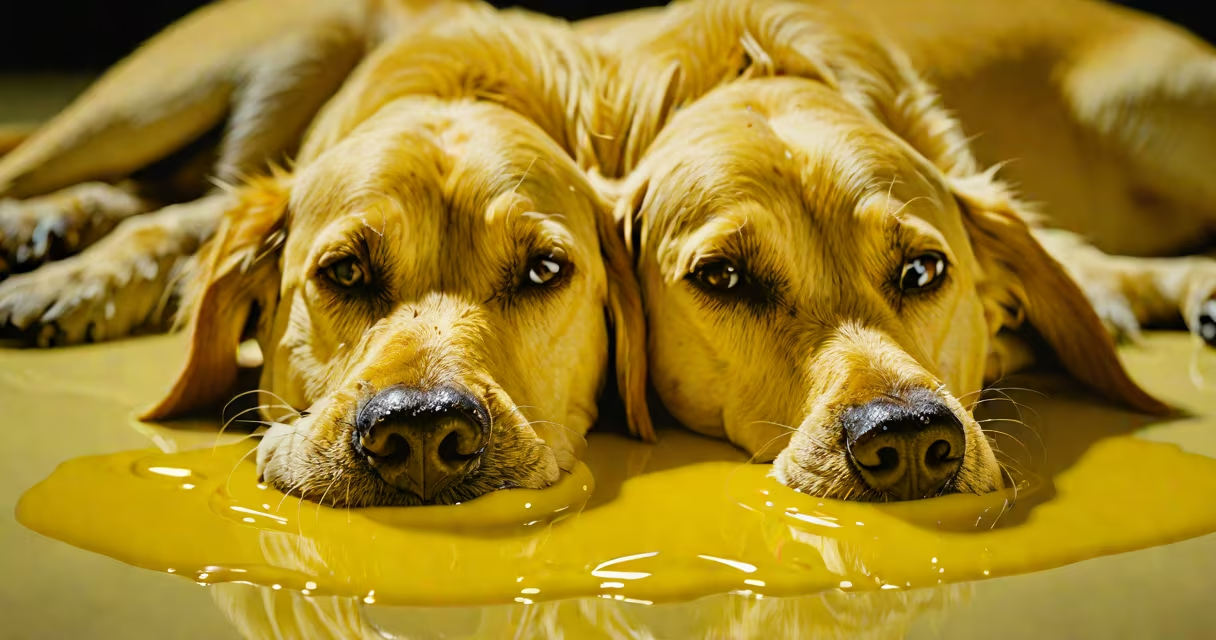
Throwing up clear yellow liquid typically means the body is expelling bile, a digestive fluid produced in the liver and stored in the gallbladder. This fluid enters the small intestine to aid fat digestion. When the stomach is empty or digestion is disrupted, bile can flow backward into the stomach and be vomited up.
Bile appears yellow because of bilirubin, a pigment formed during red blood cell breakdown. Clear yellow liquid vomit lacks food particles, indicating the stomach was empty or nearly empty before the episode. This differs from vomiting undigested food or greenish material, which suggests different underlying issues.
While occasional episodes may result from mild indigestion or fasting, consistent or recurring clear yellow liquid vomit signals a potential problem in the gastrointestinal tract. It's especially common in dogs with irregular feeding schedules or those experiencing nausea due to illness.
Bile production is continuous, but release into the small intestine is triggered by food intake. Without food, bile accumulates in the small intestine and can reflux into the stomach. The stomach lining then pushes this bile upward through the esophagus and out the mouth during vomiting.
This process occurs when the pyloric sphincter-the valve between the stomach and small intestine-fails to close properly. Conditions like gastritis, pancreatitis, or intestinal obstruction can weaken this control. Stress, motion sickness, or certain medications may also trigger bile reflux.
A 2020 study published in *Veterinary Clinics of North America: Small Animal Practice* notes that bile vomiting in dogs is often linked to prolonged fasting, especially in animals fed once daily. The study found that dogs fed twice daily had a 60% lower incidence of bile-related vomiting compared to those fed once a day.
Clear yellow liquid vomit most frequently results from an empty stomach, particularly in the morning. Dogs that eat only one meal per day are prone to this pattern. Other triggers include:
Some medications, including nonsteroidal anti-inflammatory drugs (NSAIDs), can irritate the stomach lining and lead to bile vomiting. A 2021 report from the American Veterinary Medical Association (AVMA) states that NSAID use in dogs increases the risk of gastric ulceration by 3.4 times compared to untreated animals.
Occasional bile vomiting in a healthy dog may not require intervention. However, persistent episodes-especially more than once a week-or associated symptoms demand veterinary attention.
Red flags include:
If your dog shows signs of distress, such as whining, pacing, or abdominal pain, consult a vet promptly. Bile vomiting can indicate serious conditions like intestinal blockage or liver failure, both of which worsen quickly without treatment.
Throwing up clear yellow liquid is not the same as vomiting greenish bile or frothy mucus. Green bile may suggest bile mixed with intestinal contents, often seen in cases of intestinal obstruction. Frothy or white foam usually indicates excess air or mucus, common in acid reflux or esophageal disorders.
It's also not the same as regurgitation. Regurgitation involves passive expulsion of undigested food from the esophagus, often shortly after eating. It lacks the forceful retching seen in vomiting. Clear yellow liquid vomit is always preceded by heaving and abdominal contractions.
A common misconception is that yellow vomit always means liver disease. While liver issues can cause yellow discoloration, they typically present with additional symptoms like jaundice (yellowing of gums and eyes), increased thirst, and dark urine. Isolated bile vomiting without these signs is unlikely to stem from liver failure.
In 2022, a 5-year-old Labrador Retriever named Max began vomiting clear yellow fluid every morning for five days. His owner reported he ate one large meal at night and skipped breakfast. Max showed no other symptoms-no diarrhea, no lethargy, and maintained normal energy levels.
The veterinarian performed a physical exam and ran blood work. Results showed normal liver enzymes and no signs of infection. After switching Max to two smaller meals per day and adding a bland diet (boiled chicken and rice), the vomiting stopped within 48 hours. The case illustrates how routine feeding patterns impact bile vomiting in otherwise healthy dogs.
Understanding the visual and behavioral differences helps identify the root cause. The table below outlines key distinctions.
| Type of Vomit | Appearance | Common Causes | Associated Symptoms |
|---|---|---|---|
| Clear yellow liquid | Translucent, pale yellow | Empty stomach, bile reflux, mild gastritis | Often morning-only, no fever or pain |
| Greenish-yellow | Thick, murky yellow-green | Intestinal obstruction, severe bile reflux | Abdominal pain, bloating, refusal to eat |
| Frothy white | Light foam, sometimes bubbly | Acid reflux, stress, rapid eating | Belching, restlessness, licking lips |
| Brown or black | Dark, coffee-ground-like | Stomach bleeding, ulcers | Weakness, pale gums, collapse |
One non-obvious fact: bile can appear clear only when diluted. In concentrated form, it's more golden or olive-green. So a very thin yellow fluid may still be pure bile, while thicker yellow vomit likely contains food remnants or mucus.
I once observed a 3-year-old terrier mix named Luna repeatedly vomit clear yellow liquid after being left alone overnight. She had no access to food or water during the day. Her owner assumed she was fine until the third morning, when the vomiting continued. A vet visit revealed no structural abnormalities but confirmed bile reflux due to extended fasting. Adjusting her feeding schedule resolved the issue.
If your dog throws up clear yellow liquid occasionally and remains active, hydrated, and eating normally, monitor for recurrence. Offer small amounts of water and wait 12 hours before reintroducing food. Start with a bland diet: boiled chicken and rice in equal parts.
Do not administer human antacids or over-the-counter remedies without veterinary guidance. Some ingredients, like aluminum hydroxide, can be toxic to dogs. Always consult a professional before giving medication.
Throwing up clear yellow liquid is not always a sign of serious illness, but it's a signal that something in the digestive system needs attention. Identifying the cause early prevents complications and supports long-term health.