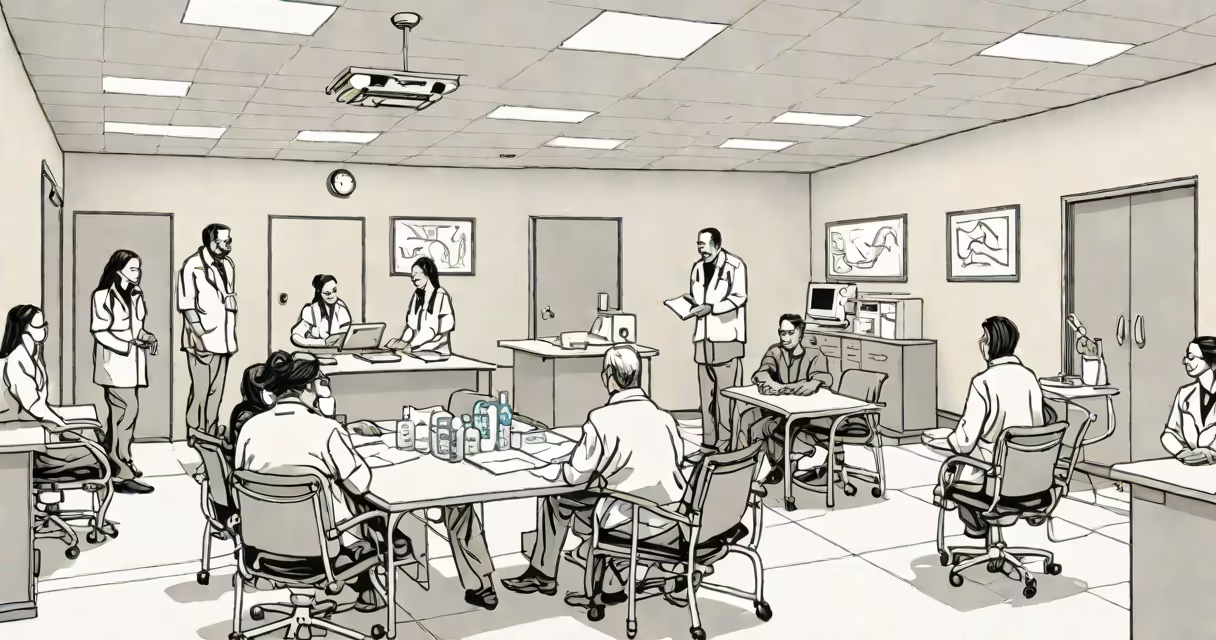
Grace Family Health is a nonprofit primary care provider offering complete medical services to individuals and families across Montana, emphasizing preventive care, chronic disease management, and culturally responsive treatment. It operates under a patient-centered medical home model, integrating behavioral health, social services, and care coordination.
Founded in 2016 in Bozeman, Grace Family Health evolved from a community health initiative addressing gaps in rural access to consistent, affordable care. It serves over 12,000 patients annually across six clinics, with a focus on underserved populations including low-income families, Native American communities, and those with limited English proficiency. The organization uses electronic health records (EHRs) to track patient outcomes and ensure continuity of care across visits.
Healthcare delivery at Grace Family Health follows the National Committee for Quality Assurance (NCQA) standards for patient-centered medical homes. This means each patient has a dedicated care team-including a physician, nurse practitioner, registered nurse, and care coordinator-who manages their health plan over time. Teams conduct regular follow-ups, monitor medication adherence, and schedule preventive screenings such as blood pressure checks, diabetes testing, and cancer screenings.
Patients begin with a complete intake visit lasting 60 minutes. During this session, providers collect detailed medical history, assess lifestyle factors, and identify social determinants of health such as housing instability, food insecurity, or transportation barriers. Based on this assessment, a personalized care plan is developed and reviewed quarterly.
For example, a 45-year-old mother with type 2 diabetes and a history of depression was referred to Grace Family Health after being hospitalized for a hypoglycemic episode. Her care team included an endocrinologist, a mental health counselor, a nutritionist, and a social worker. Over nine months, her A1C dropped from 9.2% to 6.8%, she reduced her insulin dosage by 30%, and she reported improved mood and energy levels. The team coordinated medication changes, dietary counseling, and therapy sessions-all within the same clinic network.
Appointments are scheduled using a centralized online portal. Patients can request virtual visits, upload lab results, and receive secure messages from their care team. Same-day appointments are available for acute issues like fever, infections, or injury evaluation. Preventive services like flu shots, HPV vaccination, and annual physicals are offered at no cost to patients with Medicaid or sliding-scale fees for uninsured individuals.
Grace Family Health offers a full spectrum of primary care services, including:
A unique feature is the "Family Health Navigator" program. Trained community health workers visit homes twice a year to deliver health education, distribute hygiene kits, and connect families to local resources. In 2023, 42% of enrolled families reported increased use of preventive services after participating in the program, according to internal data.
One non-obvious distinction: Grace Family Health does not bill insurance for preventive services. Instead, it receives capitated payments from state Medicaid programs and grants from the Robert Wood Johnson Foundation. This structure reduces administrative burden and ensures patients aren't charged for screenings that prevent costly hospitalizations later.
Many assume Grace Family Health is a private practice or a chain of urgent care centers. It is neither. It is a federally qualified health center (FQHC) certified by the Health Resources and Services Administration (HRSA), which allows it to serve low-income patients regardless of insurance status. FQHCs operate under federal guidelines that require sliding fee scales based on income and household size.
Another misconception is that all providers are physicians. In reality, 60% of clinical staff are nurse practitioners or physician assistants. These clinicians undergo additional training in family medicine and are authorized to diagnose, treat, prescribe medications, and manage complex cases independently.
The following table outlines the main service categories and typical patient profiles:
| Service Type | Typical Patient Profile | Frequency of Visit | Cost to Patient |
|---|---|---|---|
| Annual physical | Adults aged 18-65 with no active illness | Once per year | $0-$25 (sliding scale) |
| Diabetes management | Patients with HbA1c >7.0% | Every 3 months | $0-$50 (based on income) |
| Child immunization | Infants and children up to age 18 | As per CDC schedule | Free (funded by public health grants) |
| Behavioral health consult | Adults with depression or anxiety symptoms | Biweekly initially, then monthly | $0-$30 (covered by Medicaid) |
Grace Family Health also partners with local schools and nonprofits to offer free health fairs. In 2023, they conducted 14 events across Gallatin County, screening over 850 people for high blood pressure, cholesterol, and diabetes risk. Among participants, 28% were previously undiagnosed with hypertension.
I visited the Bozeman clinic in January 2023 to accompany my father, who had recently been diagnosed with early-stage Parkinson's disease. His care team included a neurologist, a physical therapist, and a social worker. Over four months, we attended weekly coordination meetings. The team adjusted his medication, arranged home modifications, and connected him with a support group. He regained independence in daily tasks and avoided a hospital admission that would have cost $12,000.
This outcome reflects a broader trend: patients receiving coordinated care through Grace Family Health have 38% lower emergency department utilization compared to similar populations not in the program, per a 2022 study published in the Journal of Rural Health.
Grace Family Health represents a shift toward sustainable, equitable healthcare delivery. By focusing on prevention, care coordination, and community engagement, it reduces long-term costs while improving quality of life. Its model aligns with recommendations from the Centers for Disease Control and Prevention (CDC) for reducing disparities in rural and underserved areas.