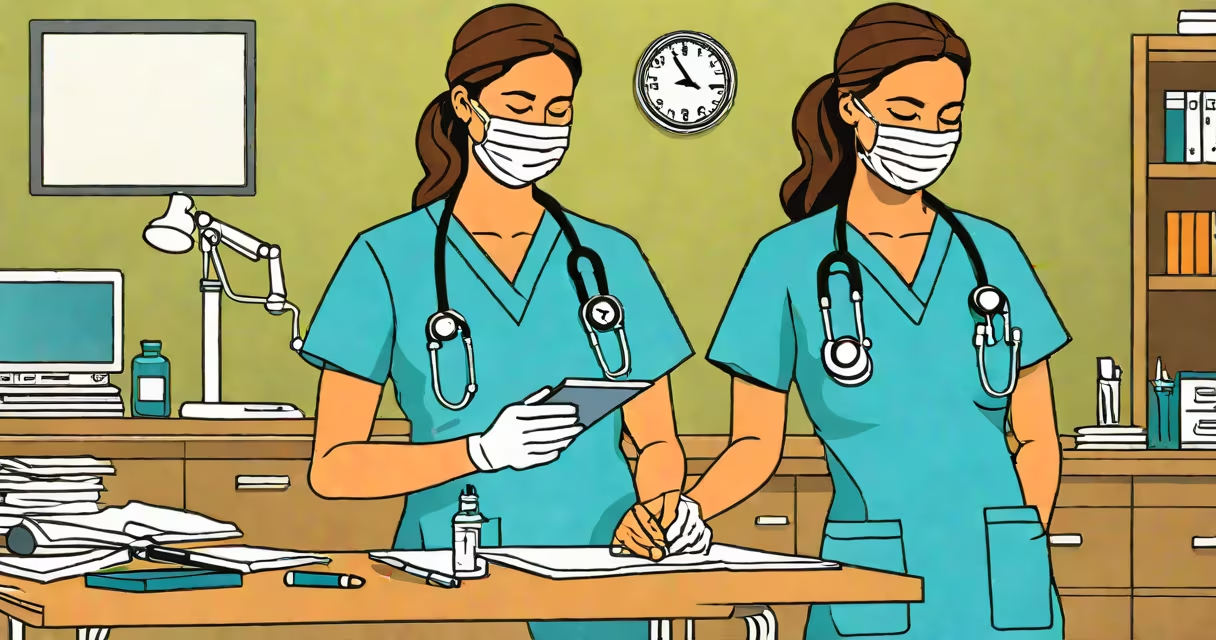
Forensic nurse education requirements involve earning a Bachelor of Science in Nursing (BSN), obtaining Registered Nurse (RN) licensure, completing 40 hours of specialized forensic training, and pursuing national certification through the International Association of Forensic Nurses (IAFN). These steps prepare nurses to collect evidence, testify in court, and support victims of violence.
Forensic nurses work at the intersection of healthcare and criminal justice. They assess injuries from abuse, sexual assault, domestic violence, and neglect. Their role includes documenting physical findings, preserving biological evidence, and providing expert testimony in legal proceedings. Unlike general clinical nurses, they apply medical knowledge within a legal structure.
The National Institute of Justice reports that forensic nurses reduce the rate of missed evidence in sexual assault cases by 62% compared to non-specialized staff. This impact stems from standardized protocols taught during formal forensic training programs.
All forensic nurses begin with a BSN from a program accredited by the Commission on Collegiate Nursing Education (CCNE) or the Accreditation Commission for Education in Nursing (ACEN). These programs include coursework in anatomy, pharmacology, pathophysiology, and patient assessment.
After graduation, candidates must pass the NCLEX-RN exam to become licensed in their state. Licensing is mandatory for all registered nurses practicing in the U.S., including those specializing in forensic care. State boards issue licenses based on NCLEX scores and background checks.
Nursing schools often offer forensic electives or concentrations. For example, the University of Texas at Austin offers a forensic nursing minor with courses in trauma-informed care, legal standards for evidence collection, and ethics in victim advocacy. Completion of such programs provides foundational knowledge before entering clinical roles.
Formal forensic training is required to qualify for certification. The IAFN mandates 40 hours of structured education covering topics like sexual assault examination, child abuse identification, elder abuse protocols, and death investigation procedures. Programs must be approved by the IAFN or equivalent bodies.
Certification is awarded through the Sexual Assault Nurse Examiner (SANE) program. SANE-A (adult/adolescent) and SANE-P (pediatric) credentials require both training and a minimum of 40 hours of clinical experience under supervision. The IAFN estimates that 68% of certified SANE nurses report increased confidence in courtroom testimony after completing the program.
Advanced practice forensic nurses may pursue a Master of Science in Nursing (MSN) with a focus on forensic health. These programs include graduate-level courses in forensic psychology, legal medicine, and research methods. A 2022 study published in the Journal of Forensic Nursing found that MSN-prepared forensic nurses were 3.4 times more likely to be cited as expert witnesses than those with only a BSN.
Forensic nursing is not synonymous with crime scene investigation. Crime scene technicians handle physical evidence at locations; forensic nurses examine living patients. They do not wear gloves to lift fingerprints or process DNA samples from surfaces. Their expertise lies in identifying injuries consistent with assault, abuse, or neglect.
Another misconception is that forensic nurses must have law enforcement backgrounds. While some hold prior police experience, most enter the field through nursing pathways. The American Nurses Association states that 89% of forensic nurses reported no prior law enforcement service before certification.
A third error is assuming that all forensic nurses work in hospitals. Many serve in community clinics, rape crisis centers, correctional facilities, and government agencies. The U.S. Department of Health and Human Services lists over 1,200 designated Sexual Assault Response Teams (SARTs), each requiring at least one trained forensic nurse.
| Role | Education Level | Certification Required | Typical Setting |
|---|---|---|---|
| SANE-A/P | BSN + 40-hr training | IAFN SANE-A or SANE-P | Hospital ER, clinic |
| Forensic Nurse Consultant | BSN + MSN preferred | IAFN Certified Forensic Nurse (CFN) | Legal firms, government agencies |
| Forensic Nurse Practitioner | MSN + 2 years clinical | ANP-C or FNP-C + IAFN endorsement | Correctional facilities, public health departments |
Each role demands different levels of education and clinical exposure. SANE-A/P roles are entry points into forensic care, while advanced roles require graduate degrees and extended experience.
In 2021, a 22-year-old woman presented to a Level I trauma center after reporting a sexual assault. A SANE-A-certified forensic nurse conducted a full examination using standardized protocols. She collected swabs, documented injuries via photo and diagram, and preserved clothing evidence. Her detailed report was later admitted in court and contributed to a conviction.
The nurse had completed a 40-hour IAFN-approved course and passed the SANE-A exam. She had also undergone annual competency reviews. Her documentation met the Daubert standard for scientific validity, which courts use to evaluate expert witness credibility.
This case illustrates how forensic nurse education translates into tangible outcomes: accurate evidence collection, improved case resolution, and greater survivor trust in the system.
I once observed a forensic nurse train a group of emergency department staff on proper handling of sexual assault evidence. The session emphasized timing-evidence must be collected within 72 hours for optimal DNA recovery-and the importance of avoiding contamination. One participant asked if the nurse carried a kit. She replied, "I carry the protocol in my mind." That moment underscored how education shapes behavior, not just knowledge.
Forensic nurse education requirements are not a single path but a layered progression-from basic nursing credentials to advanced certification and ongoing professional development. The field continues to grow, supported by federal grants and institutional partnerships. As demand increases, so does the need for rigorously trained professionals who combine clinical skill with legal precision.