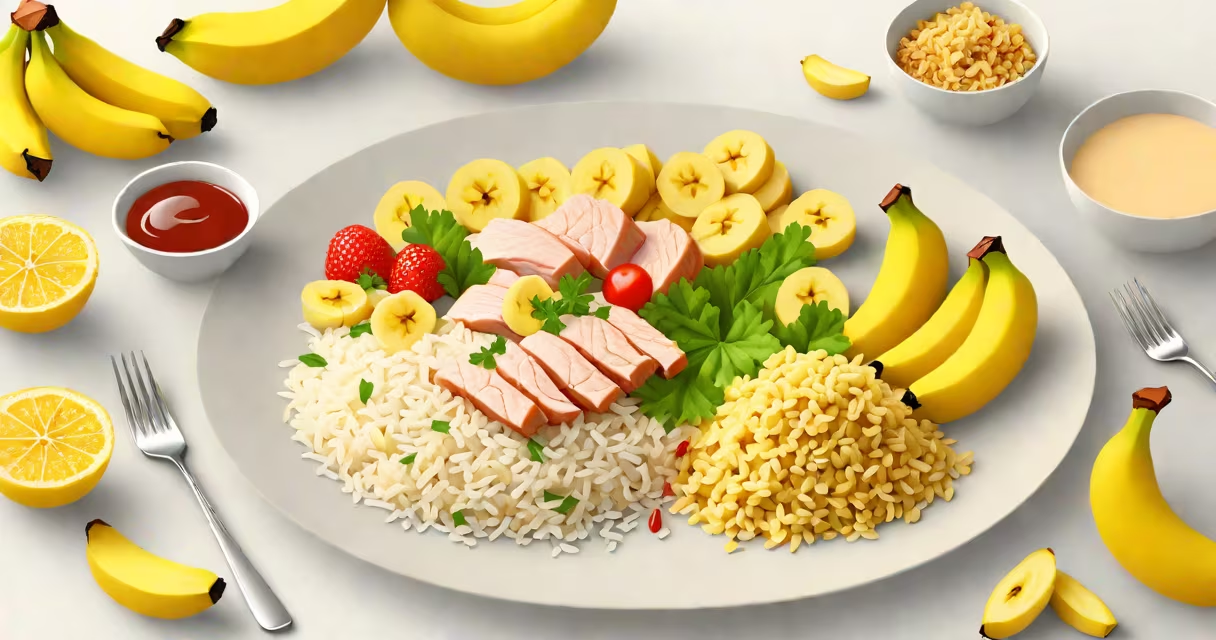
After diarrhea, the best foods to eat are low-fiber, bland, and easy-to-digest options like bananas, white rice, toast, and boiled potatoes. These foods help restore gut function, reduce irritation, and replenish lost nutrients and fluids.
Diarrhea disrupts the intestinal lining and alters gut motility. Eating the right foods during recovery supports mucosal repair and prevents further stress on the digestive system. The goal is to reintroduce food gradually while minimizing fermentation, gas, and bowel stimulation.
Medical guidelines from the American Gastroenterological Association recommend a stepwise reintroduction of foods after acute diarrhea, beginning with clear liquids and progressing to bland solids. This approach reduces the risk of prolonged symptoms and supports microbiome recovery.
Bananas provide potassium and pectin, a soluble fiber that firms stools. A 2020 study in Frontiers in Microbiology found that pectin promotes beneficial gut bacteria growth and strengthens the intestinal barrier.
White rice is low in fermentable carbohydrates and contains resistant starch, which feeds healthy gut microbes without triggering gas or bloating. It's a staple in the BRAT diet (Bananas, Rice, Applesauce, Toast), widely recommended for gastrointestinal upset.
Toast made from refined white bread offers easily digestible carbohydrates without adding bulk. It provides energy and helps stabilize blood sugar during recovery, especially if appetite is reduced.
Not all bland foods are equal. The most effective options fall into three categories: electrolyte-replenishing, low-residue, and gut-soothing.
| Type | Examples | Why It Works |
|---|---|---|
| Electrolyte-rich | Oral rehydration solution, coconut water, diluted apple juice | Restores sodium and potassium lost through frequent stools. WHO recommends a solution with 75 mmol/L sodium and 20 mmol/L glucose for optimal absorption. |
| Low-residue | Boiled white potatoes, plain oatmeal, skinless applesauce | Minimizes undigested material in the colon, reducing stool frequency and urgency. |
| Gut-soothing | Plain yogurt with live cultures, cooked carrots, boiled chicken | Probiotics in yogurt may shorten duration of infectious diarrhea. A 2018 Cochrane review found probiotics reduced diarrhea duration by 1 day on average. |
One common mistake is assuming all "bland" foods are safe. Apple slices, raw carrots, and whole grain toast increase residue and fermentable fiber, which can worsen diarrhea in early recovery.
Many people believe dairy is off-limits after diarrhea. While lactose intolerance can develop temporarily due to damaged lactase enzymes, small amounts of low-lactose dairy like plain yogurt may actually help repopulate the gut with beneficial bacteria.
Another misconception is that eating "nothing" speeds recovery. Fasting delays mucosal healing. The National Institute of Diabetes and Digestive and Kidney Diseases states that early reintroduction of food improves recovery time compared to prolonged fasting.
A non-obvious fact: the timing of food intake matters more than the food itself. Eating small portions every 2-3 hours prevents overwhelming the gut and reduces the chance of rebound diarrhea.
After a 12-hour bout of watery diarrhea, Sarah began her recovery with 100 mL of oral rehydration solution every hour. By hour 14, she ate half a banana and one slice of dry toast. She avoided fruit juices with high fructose.
At hour 18, she had a bowl of plain white rice with boiled chicken and a few spoonfuls of applesauce. No added salt or oil. Her bowel movements normalized by hour 24, and she resumed normal meals by hour 36.
This plan aligns with recommendations from the Mayo Clinic, which advises starting with clear liquids, then introducing soft solids within 6-12 hours of symptom onset.
High-fat foods like fried eggs or bacon delay gastric emptying and can trigger cramping. High-fiber foods such as beans, broccoli, and bran cereals increase stool volume and fermentation. Spicy or acidic foods irritate the inflamed gut lining.
Even seemingly safe options like green tea or caffeine-containing beverages can stimulate colonic motility and prolong diarrhea. Stick to water, herbal teas (like chamomile), and electrolyte solutions.
If symptoms persist beyond 48 hours, or if fever, blood in stool, or severe dehydration occurs, seek medical evaluation. Persistent diarrhea may indicate infection, IBS flare-up, or SIBO.
The best foods to eat after diarrhea are gentle on the gut, low in fermentable fibers, and rich in electrolytes. Bananas, white rice, toast, and boiled potatoes form the foundation of recovery. Reintroduce food slowly, avoid irritants, and prioritize hydration.