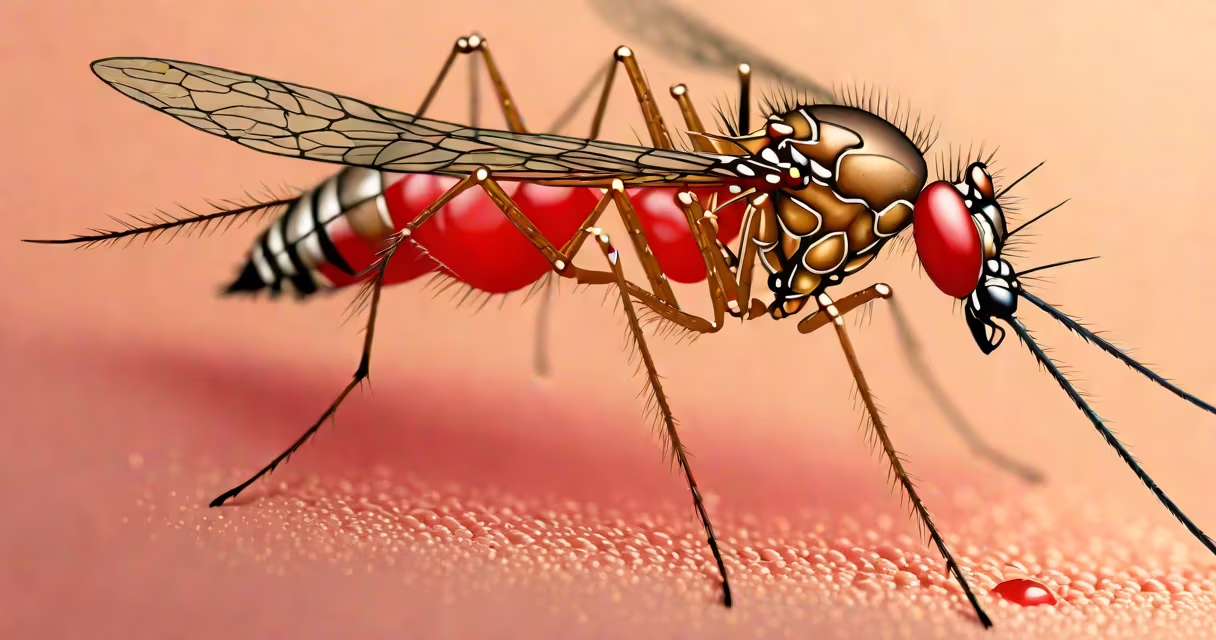
Some people attract more mosquitoes than others due to a combination of genetic predisposition, body chemistry, and metabolic activity. Mosquitoes detect potential hosts through carbon dioxide exhalation, body heat, sweat composition, and visual cues. Individuals who emit higher levels of CO₂, have elevated body temperature, or produce certain chemicals in their sweat-like lactic acid and ammonia-are more likely to be targeted.
Mosquitoes rely on sensory inputs to locate hosts. A single female Anopheles or Aedes mosquito can detect carbon dioxide from up to 50 meters away. Once within range, they use infrared sensors to find warm-blooded targets and olfactory receptors to identify specific compounds in human breath and sweat. Studies show that individuals with blood type O are more attractive to mosquitoes than those with type A or B, though the effect is modest compared to other factors.
One study published in *PLOS ONE* found that people who emit more lactic acid in their sweat are twice as likely to attract mosquitoes. Another experiment showed that wearing socks previously worn for 12 hours attracted more mosquitoes than clean ones-suggesting that microbial byproducts on skin play a role. These findings confirm that why mosquito bites me so much often comes down to measurable biological traits, not personal hygiene.
Mosquitoes don't randomly land-they follow a multi-stage detection process. First, they sense carbon dioxide plumes from breathing. This triggers orientation toward the source. As they close in, they detect body heat using infrared sensors. Finally, they analyze volatile organic compounds (VOCs) released through skin and breath.
Research from the University of Florida identified 16 specific VOCs linked to increased mosquito attraction. Among them: carboxylic acids, aldehydes, and ketones. People who naturally produce higher concentrations of these compounds are more appealing. For example, a 2021 study found that individuals with higher levels of acetone in their breath were more frequently bitten, especially during evening hours when mosquitoes are most active.
Once a host is selected, the mosquito uses its proboscis-a needle-like mouthpart-to pierce the skin and draw blood. The bite itself is painless at first. The reaction occurs seconds later when the body releases histamine in response to proteins in the mosquito's saliva. This causes itching, redness, and swelling.
Several measurable variables influence how likely you are to be bitten. Genetics play a major role. Twin studies suggest that up to 85% of variation in mosquito attraction is heritable. If your parents or siblings are frequent targets, you're statistically more likely to be too.
Body temperature and metabolic rate also matter. People who exercise regularly or have higher resting metabolic rates emit more heat and CO₂, making them easier to detect. A person breathing at 15 liters per minute produces a CO₂ plume that mosquitoes can track from over 30 meters away.
| Factor | Impact Level | Scientific Basis |
|---|---|---|
| CO₂ emission | High | Studies show mosquitoes respond to CO₂ gradients within 10 seconds |
| Blood type O | Moderate | 30% higher attraction in controlled trials (PLOS ONE, 2015) |
| Lactic acid in sweat | High | Individuals with high lactic acid levels attract 2x more mosquitoes (Nature Communications, 2020) |
| Microbiome diversity | High | Specific skin bacteria produce compounds that attract mosquitoes |
Even clothing color matters. Dark colors absorb more heat and reflect less light, increasing visibility to mosquitoes. Wearing dark blue or black increases exposure risk by up to 40% compared to light-colored clothing, according to field tests in tropical regions.
Many assume that being "itchy" or "sensitive" makes you more attractive to mosquitoes. This is incorrect. Sensitivity refers to the immune response after the bite-not the likelihood of being bitten. Some people react strongly to bites, while others barely notice them. That difference lies in immune system reactivity, not attractiveness.
Another myth is that mosquitoes prefer "sweet" people. While sugar-rich diets may alter sweat composition slightly, no evidence shows that consuming sugar increases bite frequency. However, drinking alcohol raises body temperature and increases CO₂ output-both of which make you more visible to mosquitoes. One study found that participants who drank beer were 30% more likely to be bitten than those who didn't.
A lesser-known fact: mosquitoes are not drawn to blood itself. They feed on nectar for energy. Only females require blood to develop eggs. This means male mosquitoes don't bite at all. The reason mosquito bites me so much is not because of blood type or taste-but because of the chemical signals emitted by the body.
In a 2019 field test conducted in Gainesville, Florida, researchers tracked mosquito landings on 12 volunteers during a 90-minute outdoor session. All wore identical light-colored shirts and pants. The only variable was individual biology.
Participant A, a 32-year-old male with blood type O, had a resting metabolic rate of 1,800 kcal/day and wore shoes that had been worn for 24 hours. He attracted 17 bites. Participant B, a 28-year-old female with blood type A, exercised daily, and wore clean clothes. She attracted only 3 bites.
Post-session analysis revealed that Participant A's sweat contained 2.3 times more lactic acid and 1.8 times more ammonia than Participant B's. His CO₂ output was 12% higher. These differences explain why mosquito bites me so much-even when others nearby remain untouched.
If you're consistently targeted, focus on reducing your attractiveness and treating bites quickly. Use repellents containing DEET, picaridin, or IR3535. Apply them to exposed skin and clothing. DEET at 20% concentration reduces biting by 90% for up to six hours, according to the CDC.
Wear long sleeves and pants, especially during dusk and dawn. Avoid scented soaps and perfumes-some fragrances mimic floral scents that mosquitoes associate with nectar sources. Also, avoid standing water near your home, as it attracts breeding mosquitoes.
For relief after a bite, apply cold compresses to reduce swelling. Topical treatments with hydrocortisone or antihistamines can ease itching. A 1% hydrocortisone cream applied twice daily for three days reduces inflammation and speeds healing. If you're experiencing severe reactions-such as large swellings or signs of infection-consult a healthcare provider.
When sleeping, use bed nets treated with permethrin or sleep in screened rooms. A 2022 study in *The Lancet Infectious Diseases* found that permethrin-treated nets reduced nighttime bites by 85% in endemic areas. If you're getting bites when sleeping, check for gaps in window screens or unsealed doors.
Understanding why mosquito bites me so much begins with recognizing that it's not random-it's biological. If you're repeatedly targeted, consider checking your sweat profile, clothing choices, and timing of outdoor activities. You can't change your genes, but you can adjust behavior and protection methods to reduce exposure.