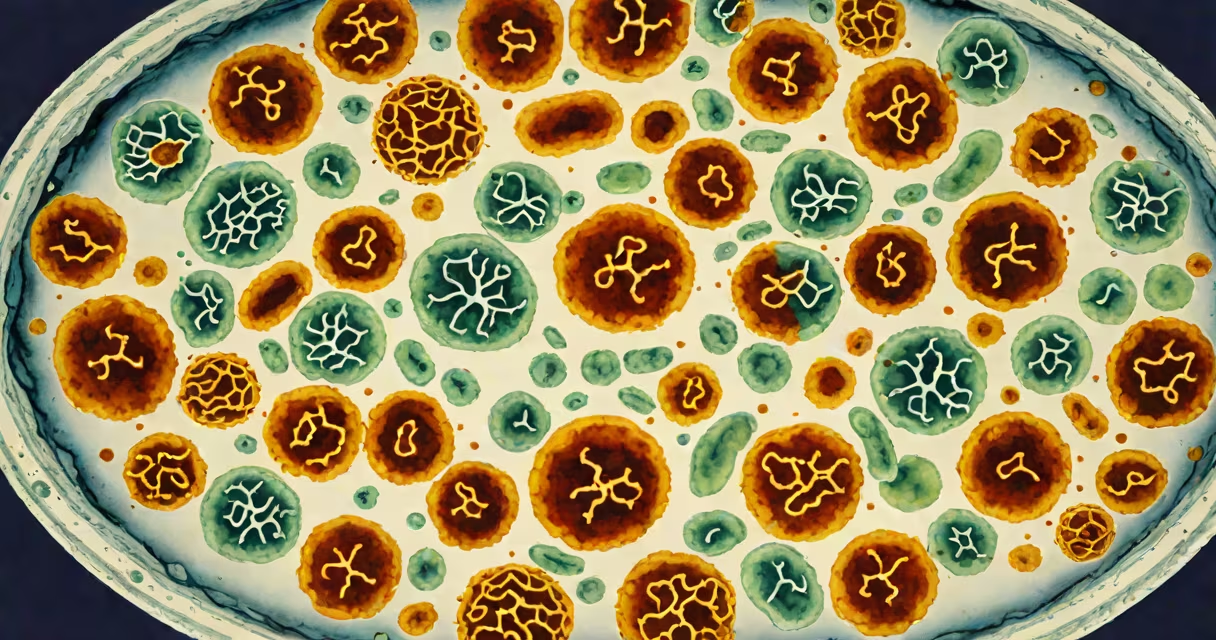
A bacterial infection definition refers to a condition caused by pathogenic bacteria invading and multiplying within human tissues, disrupting normal function and triggering immune responses. These infections arise when bacteria breach physical barriers like skin or mucous membranes and establish colonies in vulnerable areas such as the lungs, urinary tract, or bloodstream.
Bacteria are single-celled microorganisms capable of independent growth and reproduction. Not all bacteria cause disease-many live harmlessly or even benefit humans, especially in the gut microbiome. Pathogenic strains, however, produce toxins, invade cells, or trigger excessive inflammation that damages host tissue. Common examples include *Streptococcus pyogenes* (strep throat), *Escherichia coli* (urinary tract infections), and *Salmonella* (foodborne illness).
Diagnosis requires clinical signs, laboratory testing, and sometimes imaging. A healthcare provider may collect samples-such as blood, urine, sputum, or swabs-from affected sites and send them for culture or molecular analysis. Results typically take 24 to 72 hours. Rapid antigen tests exist for specific pathogens like group A strep, yielding results in under 15 minutes.
Bacterial infections begin when a pathogen enters the body through a portal of entry-most often the respiratory tract, gastrointestinal system, skin wounds, or urogenital tract. Once inside, bacteria evade initial immune defenses using mechanisms like biofilm formation, capsule production, or resistance to phagocytosis.
For example, *Staphylococcus aureus* can form a protective slime layer around itself, shielding it from white blood cells and antibiotics. This allows the bacteria to persist and multiply in soft tissues, leading to abscesses or sepsis if unchecked. The immune system responds with fever, swelling, pain, and increased white blood cell counts-hallmarks of systemic infection.
Not all exposure leads to illness. Host factors such as age, nutrition, underlying conditions (e.g., diabetes), and prior immunity determine whether colonization progresses to symptomatic infection. A healthy adult may carry *S. aureus* in their nasal passages without issue, while the same strain can cause life-threatening pneumonia in someone with weakened immunity.
Bacterial infections are categorized by location, causative organism, and mode of transmission. The following table outlines major categories, typical symptoms, and standard treatments.
| Type | Common Cause | Typical Symptoms | Treatment |
|---|---|---|---|
| Respiratory | *Streptococcus pneumoniae* | Fever, cough, chest pain, shortness of breath | Amoxicillin, azithromycin |
| Urinary Tract | *Escherichia coli* | Burning urination, frequent urge, lower abdominal pain | Ciprofloxacin, nitrofurantoin |
| Dermatological | *Staphylococcus aureus* | Pus-filled abscesses, redness, warmth, swelling | Clindamycin, drainage of pus |
| Gastrointestinal | *Shigella sonnei* | Watery diarrhea, cramps, fever, blood in stool | Fluid replacement, azithromycin (not for all cases) |
Each infection type demands tailored management. Misdiagnosing a viral upper respiratory infection as bacterial and prescribing antibiotics increases resistance risk. According to the CDC, approximately 30% of outpatient antibiotic prescriptions in the U.S. are unnecessary, contributing to rising rates of multidrug-resistant organisms.
People frequently mistake bacterial infections for viral illnesses due to overlapping symptoms. Both can cause fever, fatigue, and localized pain. However, bacterial infections tend to progress steadily over days rather than resolving quickly. Viral infections often peak within 2-3 days and improve thereafter.
Another common error is assuming all pus indicates bacterial infection. While purulent discharge is a sign of bacterial activity, some fungal or autoimmune conditions can mimic it. For example, chronic sinusitis with thick yellow mucus may stem from allergies or fungal colonization-not bacteria.
A critical distinction lies in treatment response. Antibiotics work only against bacteria. Using them for viral infections offers no benefit and harms the microbiome. The World Health Organization warns that inappropriate antibiotic use accelerates antimicrobial resistance, reducing effective treatment options for future patients.
Over 90% of bacterial species do not cause disease in humans. Many live symbiotically in the gut, skin, and oral cavity. The human microbiome contains trillions of bacteria essential for digestion, vitamin synthesis, and immune regulation. Disrupting this balance with broad-spectrum antibiotics can lead to secondary infections like *Clostridioides difficile* colitis, which causes severe diarrhea and is linked to antibiotic overuse.
I observed this firsthand during a clinical rotation: a patient developed *C. diff* after a course of amoxicillin for suspected bronchitis. The initial diagnosis was incorrect-viral etiology was confirmed via PCR. After stopping the antibiotic and treating with vancomycin, the patient recovered. This case illustrates how misidentifying infection type leads to ineffective therapy and unintended consequences.
Red flags indicating a bacterial infection requiring urgent care include high fever (>102°F/39°C), persistent vomiting, confusion, difficulty breathing, or worsening pain. Skin infections with spreading redness, warmth, or fever suggest cellulitis or necrotizing fasciitis-conditions needing immediate intervention.
For mild cases, such as uncomplicated urinary tract infections in otherwise healthy individuals, home remedies like hydration and cranberry extract may help prevent progression. But if symptoms last beyond 48 hours or recur, medical evaluation is necessary. Self-treatment without diagnosis risks delaying proper care.
Understanding the bacterial infection definition clarifies the biological basis of illness and guides responsible use of antibiotics. Knowing the difference between bacterial and viral causes prevents misuse and supports long-term public health resilience.