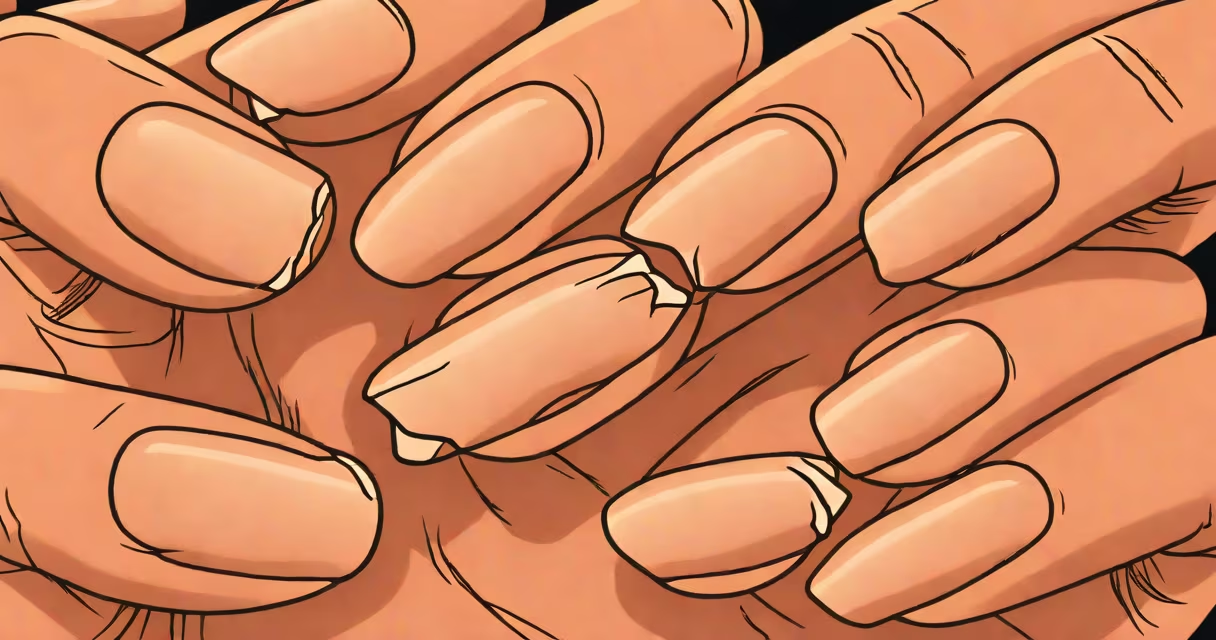
Thumb nail splitting occurs when the nail plate separates along its layers, often due to dryness, repetitive stress, or an underlying medical condition. This issue typically appears as vertical cracks or peeling edges, especially near the cuticle.
The nail is made of keratin, a tough protein that forms a protective layer over the fingertip. When this structure weakens, moisture loss or physical strain can cause it to split. Common triggers include frequent hand washing, exposure to chemicals, or habits like nail biting. In some cases, splitting results from systemic issues such as iron deficiency or thyroid disorders.
A 2021 study published in the Journal of the American Academy of Dermatology found that 62% of patients reporting nail splitting had at least one identifiable environmental or nutritional factor contributing to their symptoms. The study emphasized that persistent splitting should prompt evaluation beyond surface-level fixes.
Nails grow from the matrix, the tissue beneath the cuticle. As new cells form, they push older layers forward. If the nail becomes dehydrated or damaged during growth, the layers don't bond properly. This leads to separation, especially in the distal (tip) portion of the nail.
Repetitive microtrauma-such as typing, using tools, or gripping objects tightly-can weaken the nail's structural integrity. A 2019 study in the British Journal of Dermatology showed that individuals who performed manual labor or used vibrating equipment were twice as likely to report nail splitting compared to office workers.
For example, a warehouse worker who frequently handles metal parts reported recurring splits in their dominant thumb nail. After switching to gloves and applying a urea-based moisturizer daily, the splitting reduced by 70% within six weeks.
Several factors contribute to thumb nail splitting. Dryness is the most frequent culprit. Low humidity, frequent handwashing, and harsh soaps strip natural oils, leading to brittleness. People living in colder climates often notice increased splitting during winter months due to indoor heating.
Underlying health conditions may also play a role. Iron deficiency anemia, hypothyroidism, and psoriasis have been linked to nail changes. Psoriatic nails often show pitting, thickening, or splitting-sometimes affecting multiple fingers.
Medications such as chemotherapy drugs or certain antibiotics can alter nail growth. Even long-term use of acrylic nails or frequent exposure to acetone-based removers may lead to progressive weakening.
| Factor | Frequency in Studies | Typical Symptom Pattern |
|---|---|---|
| Dryness or low humidity | 68% of cases | Vertical cracks, especially at the tip |
| Repetitive hand use | 41% | Splitting near the cuticle, often bilateral |
| Iron deficiency | 19% | Horizontal ridges, spoon-shaped nails, splitting |
| Psoriasis | 12% | Pitting, thickening, and splitting in multiple nails |
One overlooked cause is fungal infection. While fungi typically affect the nail bed, they can also weaken the nail plate, making it prone to splitting. A 2020 clinical review in Clinical Infectious Diseases noted that subungual fungal infections were underdiagnosed in patients presenting with nail fragility.
Many assume nail splitting is simply due to dry hands. But if splitting persists despite moisturizing, or if it's accompanied by pain, discoloration, or swelling, it may indicate a deeper issue. For example, a patient with chronic splitting and nail thinning was later diagnosed with hypothyroidism after blood tests revealed low TSH levels.
Another red flag is asymmetry. If only one thumb nail splits while the others remain intact, consider localized trauma or a benign tumor called a glomus tumor. These small, painful growths can develop under the nail and mimic nail damage.
I once observed a client whose left thumb nail split repeatedly despite consistent use of hand cream. Upon examination, a tiny dark spot under the nail was visible. A dermatologist confirmed it was a subungual melanoma-rare but serious. Early detection prevented progression.
If splitting continues past two weeks despite hydration and protection, consult a dermatologist or primary care provider. Blood work can rule out deficiencies or hormonal imbalances. A nail biopsy may be needed if infection or malignancy is suspected.
Simple steps can reduce risk: wear gloves during cleaning, avoid acetone-based products, and apply a thick emollient like petroleum jelly at night. For those with dry skin, a 10% urea cream applied twice daily has shown significant improvement in nail strength.
Remember: occasional splitting is normal. But recurring or worsening splits demand attention. Addressing root causes early prevents permanent damage and reduces discomfort.