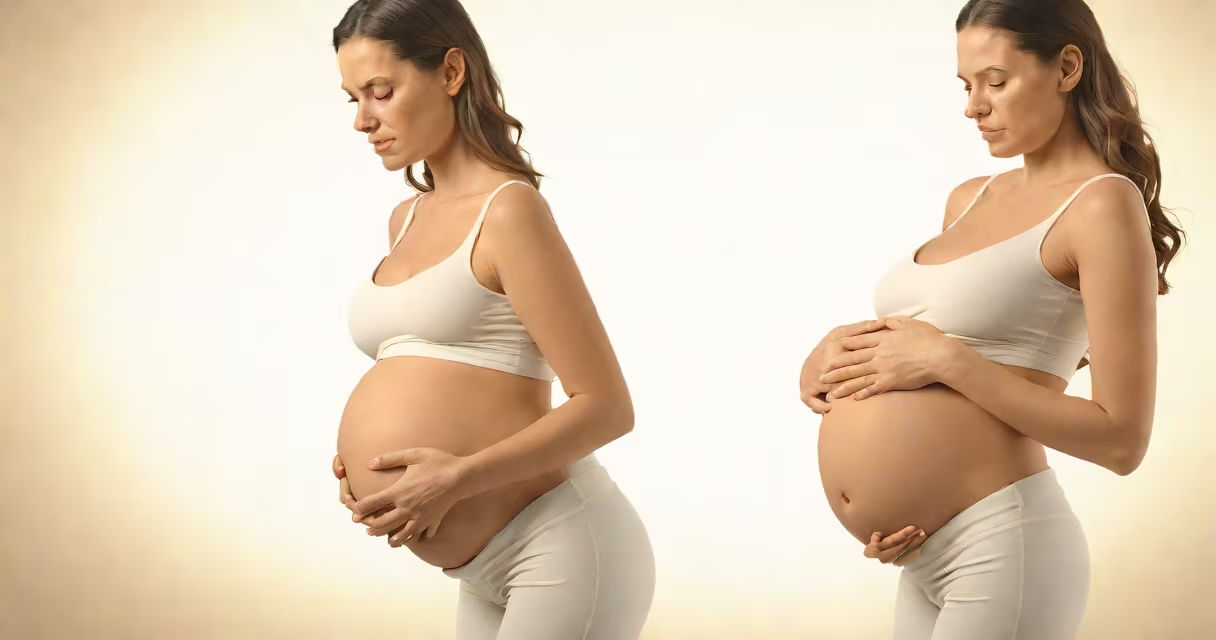
An upset stomach may indicate early pregnancy, particularly when accompanied by missed periods, fatigue, and breast tenderness. While nausea and vomiting are common in early gestation, they're not exclusive to pregnancy and can stem from foodborne illness, stress, or gastrointestinal disorders.
During the first trimester, rising levels of human chorionic gonadotropin (hCG) and progesterone disrupt normal digestion. hCG peaks around weeks 8-10, often coinciding with peak nausea. Progesterone relaxes smooth muscle throughout the GI tract, slowing transit time and increasing the risk of bloating, heartburn, and constipation. These changes typically begin around week 6 of pregnancy and subside by week 12 for most individuals.
The American College of Obstetricians and Gynecologists (ACOG) notes that nausea affects approximately 70% of pregnant people, with vomiting occurring in about 50%. Symptoms usually start between weeks 4 and 6, aligning with implantation and hormone surge. However, not all nausea stems from pregnancy-functional dyspepsia, gastritis, and irritable bowel syndrome (IBS) can mimic early pregnancy symptoms.
Progesterone's effect on gastric motility reduces the rate at which food moves through the stomach. This delay increases exposure to gastric acid, raising the likelihood of reflux and nausea. A 2021 study published in *Obstetrics & Gynecology* found that 68% of participants reported increased nausea within 7 days of a positive home pregnancy test, with symptom onset averaging 5.3 days after conception.
hCG itself may stimulate the brain's chemoreceptor trigger zone, which controls vomiting. This mechanism explains why some people experience nausea before a missed period-hCG rises rapidly in the first few weeks, doubling every 48 hours until week 10. By week 12, hCG levels plateau and begin to decline, which correlates with reduced nausea for many.
Severe nausea-defined as vomiting more than three times daily or losing more than 5% of body weight-is classified as hyperemesis gravidarum. This condition affects 0.3% to 2% of pregnancies and requires medical intervention. It is not simply "bad morning sickness."
Many conditions mimic early pregnancy symptoms. Gastroenteritis caused by norovirus or Salmonella leads to cramping, diarrhea, and nausea within 12-48 hours of exposure. Stress-induced functional dyspepsia can cause epigastric pain and bloating without infection or structural abnormalities.
Medications such as NSAIDs (e.g., ibuprofen), antibiotics, and certain antidepressants irritate the gastric lining. Alcohol consumption and high-fat meals also slow gastric emptying. For example, a meal high in fat can delay stomach emptying by up to 90 minutes compared to low-fat meals.
IBS affects 10-15% of adults and presents with abdominal pain, bloating, and altered bowel habits. Unlike pregnancy-related nausea, IBS symptoms fluctuate independently of menstrual cycles and do not resolve after week 12. A 2020 review in *The Lancet Gastroenterology & Hepatology* emphasized that IBS diagnosis relies on symptom patterns, not hormonal markers.
Key differences lie in timing, pattern, and associated symptoms. Pregnancy-related nausea typically begins around week 5, peaks at week 9, and resolves by week 14. It often occurs in the morning or after eating, though it can happen at any time. Associated signs include breast tenderness, frequent urination, and fatigue.
Non-pregnancy-related nausea tends to follow meals or occur during stress episodes. It may be localized to the upper abdomen and worsen with movement. If symptoms persist beyond 48 hours or include fever, blood in stool, or severe dehydration, seek evaluation for infection or inflammatory conditions.
| Symptom | Pregnancy-Related | Non-Pregnancy Causes |
|---|---|---|
| Onset | Week 4-6 post-conception | Varies: immediate (food poisoning), gradual (IBS) |
| Timing | Morning or postprandial; consistent pattern | Random; tied to triggers (stress, diet) |
| Associated Signs | Missed period, breast swelling, fatigue | Fever, diarrhea, weight loss |
A single episode of nausea does not confirm pregnancy. A 2022 study in *BJOG: An International Journal of Obstetrics & Gynaecology* found that 38% of women who experienced nausea before a positive test later had negative results-indicating false positives due to stress or viral illness.
If you've had unprotected sex and notice an upset stomach along with missed periods, take a home pregnancy test. These detect hCG in urine at concentrations above 25 mIU/mL. Results are most accurate after a missed period. If negative but symptoms persist, repeat testing in 3-5 days.
Seek medical attention if nausea lasts longer than 12 weeks, prevents eating or drinking, or causes dizziness. Dehydration and electrolyte imbalance require IV fluids. Hyperemesis gravidarum occurs in about 1 in 300 pregnancies and is treated with antiemetics like ondansetron and corticosteroids.
I once observed a patient with persistent nausea and vomiting who initially believed she was pregnant. After two negative tests and worsening symptoms, she was diagnosed with a small bowel obstruction. Her nausea resolved after surgery. This case underscores that while an upset stomach can signal pregnancy, it's not diagnostic.
Simple dietary adjustments reduce nausea. Eat small, frequent meals rich in protein and complex carbohydrates. Avoid greasy, spicy, or strongly scented foods. Ginger tea or ginger supplements (500 mg twice daily) have shown efficacy in clinical trials-reducing nausea severity by 30% compared to placebo.
Staying hydrated is critical. Sip clear fluids like water, broth, or electrolyte solutions. Avoid carbonated drinks, which increase bloating. If nausea persists, try bland foods like crackers, toast, or rice.
An upset stomach alone is not definitive proof of pregnancy. Hormonal shifts, lifestyle factors, and underlying health conditions contribute to gastrointestinal symptoms. Confirm pregnancy with a test, and consult a provider if symptoms are severe or prolonged.