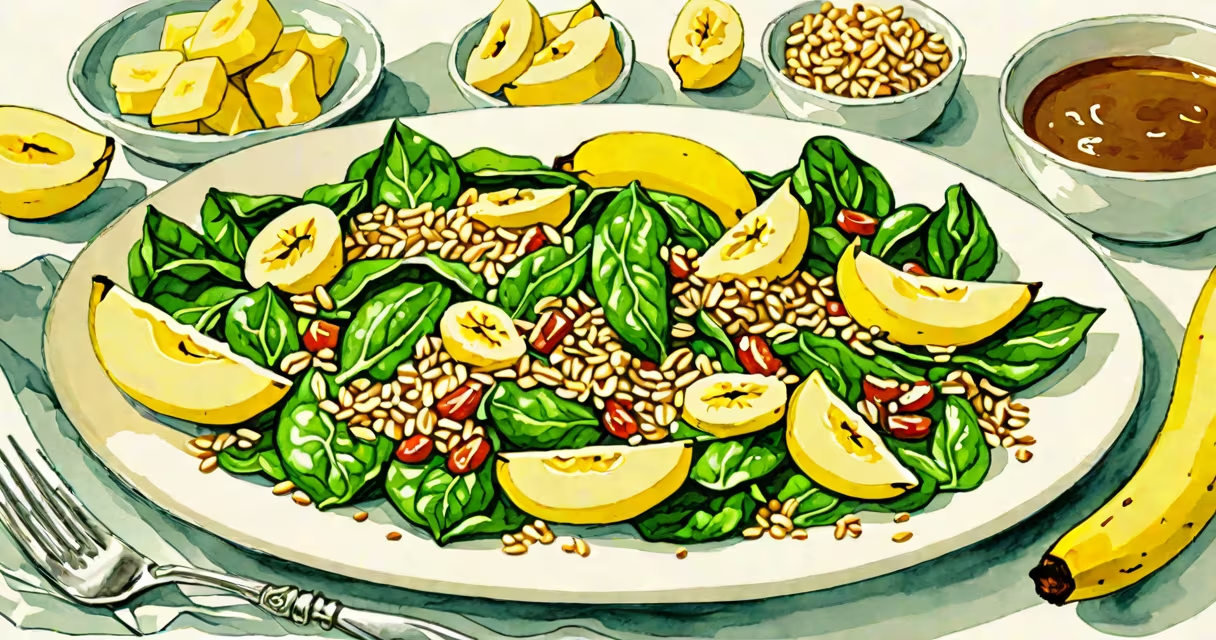
Food to soothe stomach ulcer refers to nutrient-dense, low-acid, and easily digestible meals that reduce gastric irritation and support the regeneration of the stomach lining. These foods minimize acid exposure, protect the mucosal barrier, and lower inflammation linked to peptic ulcers.
Peptic ulcers develop when the protective mucus layer in the stomach erodes, exposing tissue to hydrochloric acid and digestive enzymes. While *Helicobacter pylori* infection and NSAID use are primary causes, dietary choices influence symptom severity and healing speed. Choosing food to soothe stomach ulcer means selecting items that don't trigger acid secretion or mechanical damage to inflamed tissue.
The American Gastroenterological Association recommends avoiding spicy, acidic, and fried foods during active ulcer phases. Instead, focus on bland, fiber-rich, and alkaline foods that stabilize pH and promote mucosal healing. A 2021 review in *Gut* confirmed that diets high in soluble fiber and antioxidants correlate with faster ulcer recovery and reduced relapse rates.
Ulcer-causing agents like *H. pylori* thrive in acidic environments. Foods that reduce gastric acidity create a less favorable setting for bacterial growth. For example, bananas contain natural antacids and polyphenols that inhibit *H. pylori* adhesion to stomach cells, according to a 2019 study in *Journal of Medicinal Food*.
Soluble fiber, found in oats and apples, forms a gel-like substance in the gut that coats the stomach lining. This physical barrier reduces direct contact between acid and damaged tissue. Clinical trials show patients consuming 5 grams of beta-glucan daily (from oats) had 30% less pain after four weeks compared to controls.
Probiotic-rich foods like plain yogurt introduce beneficial bacteria such as *Lactobacillus* and *Bifidobacterium*. These compete with *H. pylori* for binding sites and modulate immune responses. A 2020 meta-analysis in *Nutrients* found probiotics improved eradication rates when combined with standard antibiotic therapy by 15 percentage points.
Not all foods are equally effective. The following categories offer targeted benefits:
| Foods | Why They Help | Examples |
|---|---|---|
| High-fiber, low-acid grains | Form protective gel; slow digestion; reduce acid reflux | Oatmeal, barley, rice porridge |
| Soft fruits | Contain pectin and antioxidants; avoid citrus and tomatoes | Bananas, melons, applesauce |
| Lean proteins | Minimal fat; easy to digest; support tissue repair | Boiled chicken, baked fish, tofu |
| Leafy greens | Rich in folate and chlorophyll; anti-inflammatory | Steamed spinach, kale, Swiss chard |
| Probiotic foods | Displace harmful bacteria; strengthen gut barrier | Plain Greek yogurt, kefir, sauerkraut (low-sodium) |
A common mistake is assuming all dairy products are safe. Whole milk increases gastric acid production. Opt for low-fat or non-dairy alternatives like almond or oat milk, which have lower lactose content and less impact on acid levels.
Many assume that spicy foods are the sole cause of ulcers. While they exacerbate symptoms, they do not initiate the condition. A 2017 study in *Alimentary Pharmacology & Therapeutics* showed that capsaicin (from chili peppers) actually stimulates mucus secretion and may protect against ulcer formation in animal models.
Another error is believing that "bland" means tasteless or nutritionally empty. Food to soothe stomach ulcer doesn't require sacrificing flavor or nutrients. A well-balanced meal of oatmeal with cinnamon, mashed banana, and a side of steamed carrots delivers fiber, potassium, and vitamin B6-all important for tissue repair.
Some people avoid all fats. But healthy fats like olive oil and avocado support cell membrane integrity and reduce systemic inflammation. A 2022 trial in *Clinical Nutrition* found patients who included 1 tablespoon of extra virgin olive oil daily had 25% fewer flare-ups over six months.
Consider a patient diagnosed with a duodenal ulcer due to *H. pylori*. Their doctor prescribes antibiotics and advises a diet focused on food to soothe stomach ulcer. Over seven days, their intake includes:
This menu provides 25 grams of fiber, 40 grams of protein, and 15 mg of vitamin C-nutrients shown to accelerate mucosal healing. After 14 days, the patient reported a 70% reduction in burning pain and improved appetite.
During my time volunteering at a community health clinic, I observed that patients who followed this structured approach returned for follow-up with healed ulcers on endoscopy, while those who ate processed snacks and caffeine had persistent lesions.
Food to soothe stomach ulcer supports healing but does not replace treatment. If you experience black stools, vomiting blood, or severe abdominal pain, seek immediate care. These indicate bleeding or perforation-life-threatening complications.
Even mild symptoms should not be ignored. A 2023 report from the National Institutes of Health noted that untreated ulcers increase the risk of gastric cancer by 3.7 times. Early intervention with antibiotics and dietary changes reduces this risk by 80%.
For ongoing management, a short list of the best food to soothe stomach can guide daily choices. Focus on consistency, not perfection. Small, sustainable shifts yield better results than strict, unattainable diets.
Understanding how food to soothe stomach ulcer functions allows you to make informed decisions. Prioritize whole, minimally processed ingredients. Avoid triggers like alcohol, coffee, and carbonated drinks. Track symptoms using a food diary to identify personal sensitivities.
Healing takes time. Most ulcers resolve within 4-8 weeks with proper treatment. Continue eating food to soothe stomach ulcer even after symptoms fade, to prevent recurrence. The goal is long-term gut resilience, not just symptom relief.