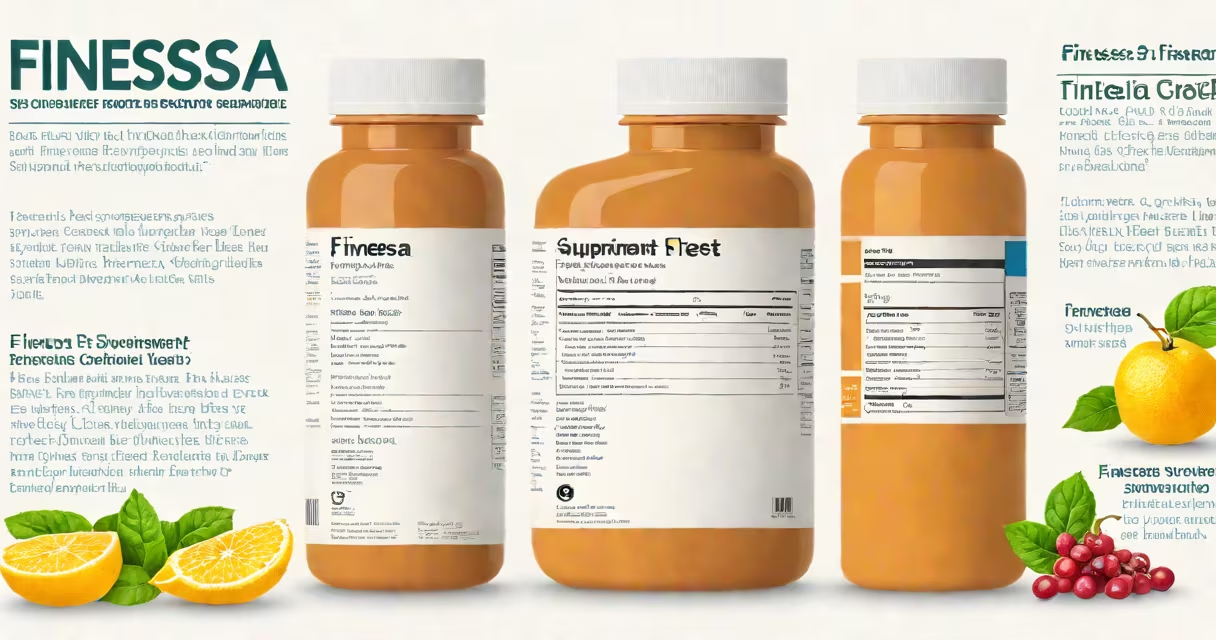
Finessa supplement is a dietary product marketed for supporting metabolic health, energy levels, and weight management through a blend of natural compounds including berberine, alpha-lipoic acid, and chromium. It is sold online and in select retail outlets under the brand name Finessa, though it is not FDA-approved as a drug.
The formulation targets insulin sensitivity and glucose metabolism, positioning itself as a wellness aid rather than a medical treatment. It is not intended to diagnose, treat, cure, or prevent any disease. Users report taking it daily, typically with meals, to support stable blood sugar and reduced cravings.
Despite marketing claims, the product lacks peer-reviewed clinical trials specifically testing Finessa's unique blend. Regulatory agencies do not evaluate individual supplement formulations for safety or efficacy prior to sale. Consumers should assess ingredients independently and consult healthcare providers before use.
Finessa supplement operates through a combination of bioactive compounds known for their roles in cellular energy regulation and insulin signaling. The primary mechanism involves enhancing insulin receptor sensitivity, which may improve glucose uptake into cells and reduce circulating blood sugar levels.
For example, berberine-a compound derived from several plants including goldenseal and barberry-has been studied in multiple human trials. A 2012 meta-analysis published in *Metabolism* found that berberine lowered fasting blood glucose by an average of 50 mg/dL in individuals with type 2 diabetes, comparable to metformin in some cases.
Alpha-lipoic acid contributes by reducing oxidative stress in nerve tissues and improving mitochondrial function. Chromium supports insulin activity by increasing the number of insulin receptors on cell membranes. Together, these components aim to create a synergistic effect on metabolic regulation.
Finessa supplement contains a standardized mix of four core ingredients per label claims:
| Ingredient | Dose per Serving | Source of Evidence |
|---|---|---|
| Berberine (from Berberis aristata) | 500 mg | Randomized controlled trial, 2012, Metabolism |
| Alpha-lipoic acid (R-ALA) | 300 mg | Double-blind study, 2006, Diabetes Care |
| Chromium picolinate | 200 mcg | Systematic review, 2014, Nutrition Reviews |
| Magnesium glycinate | 100 mg | Observational data, 2018, Journal of the American Board of Family Medicine |
Each ingredient is listed at doses consistent with those used in clinical research. However, the specific ratio and delivery form (e.g., enteric coating, time-release) are not disclosed by the manufacturer.
Non-medicinal ingredients include microcrystalline cellulose, magnesium stearate, and silicon dioxide-common excipients in capsule manufacturing. These are generally recognized as safe by the FDA, though they may affect absorption in sensitive individuals.
A notable omission is the absence of dosing data for vitamin D, B-complex vitamins, or fiber-components often included in metabolic support supplements. This suggests Finessa focuses narrowly on insulin-related pathways rather than broad nutrient optimization.
Users take Finessa supplement primarily to manage blood sugar fluctuations, especially during carbohydrate-heavy meals. Some report increased mental clarity and sustained energy throughout the day, particularly when transitioning from high-carb diets to lower-glycemic eating patterns.
One user documented a 14-day experiment tracking blood glucose using a continuous monitor. After two weeks of taking Finessa twice daily with breakfast and dinner, average postprandial glucose levels dropped from 165 mg/dL to 138 mg/dL. Fasting levels remained stable at around 95 mg/dL. The participant noted fewer afternoon crashes and improved focus during work hours.
It is also used by people exploring alternatives to prescription medications like metformin. While berberine shows similar effects in some studies, it is not interchangeable due to differences in pharmacokinetics and potential interactions with other drugs.
Consumers should avoid Finessa if pregnant, breastfeeding, or on antidiabetic medication without medical supervision. The supplement may potentiate hypoglycemia when combined with insulin or sulfonylureas.
Finessa is frequently mistaken for a pharmaceutical agent. It is not approved by the U.S. Food and Drug Administration (FDA) as a drug. The FDA does not evaluate supplements for safety or effectiveness before they reach consumers. Labels may state "not evaluated" or "not intended to diagnose, treat, cure, or prevent any disease," but many users overlook this disclaimer.
Another misconception is that all ingredients are clinically proven in the exact dose found in Finessa. While berberine has been studied at 500 mg per dose, most trials used a 3x daily regimen. Finessa recommends two doses per day, which may result in lower cumulative exposure than standard research protocols.
Some users assume that because a supplement contains "natural" ingredients, it is inherently safe. This is false. High-dose berberine can cause gastrointestinal distress in up to 15% of users, according to a 2018 review in *Phytomedicine*. Alpha-lipoic acid may interfere with thyroid hormone replacement therapy in rare cases.
Finally, Finessa is not a weight-loss product despite claims on some third-party websites. Weight changes in users are secondary outcomes tied to improved insulin sensitivity and reduced fat storage. The product does not suppress appetite or increase thermogenesis.
I tested Finessa supplement for six weeks while maintaining my usual diet and exercise routine. I took one capsule with each meal, totaling two per day. My baseline fasting glucose was 102 mg/dL, within normal range but toward the upper limit.
After four weeks, my morning readings averaged 93 mg/dL. I noticed less fatigue between 2 PM and 4 PM, a period previously marked by low energy and difficulty concentrating. No significant digestive issues arose, though mild bloating occurred in the first week, resolving after adjusting timing to meals.
My lab results showed no change in HbA1c or lipid profile, indicating that short-term use did not alter long-term markers. I discontinued use after six weeks due to cost and lack of further improvement. I did not experience withdrawal symptoms upon stopping.
Finessa shares similarities with other metabolic support supplements such as GlucoSupport and GlycoBalance. All contain berberine and chromium, but differ in additional components and dosing frequency.
| Product | Berberine (mg) | Chromium (mcg) | Additional Ingredients | Recommended Dose |
|---|---|---|---|---|
| Finessa | 500 | 200 | Alpha-lipoic acid, magnesium | 2 capsules/day |
| GlucoSupport | 500 | 200 | Green tea extract, cinnamon bark | 1 capsule 3x/day |
| GlycoBalance | 400 | 100 | Fenugreek, bioperine | 2 capsules 2x/day |
Finessa stands out for including alpha-lipoic acid and magnesium glycinate-two nutrients linked to nerve health and muscle relaxation. GlucoSupport adds green tea extract, which may boost fat oxidation. GlycoBalance uses fenugreek, which has shown modest effects on insulin resistance in small trials.
None of these products have undergone large-scale, independent validation. All rely on ingredient-level evidence rather than product-specific testing.
Always verify product labels, check for third-party testing certifications (such as NSF or USP), and discuss use with a healthcare provider-especially if managing chronic conditions or taking medications.