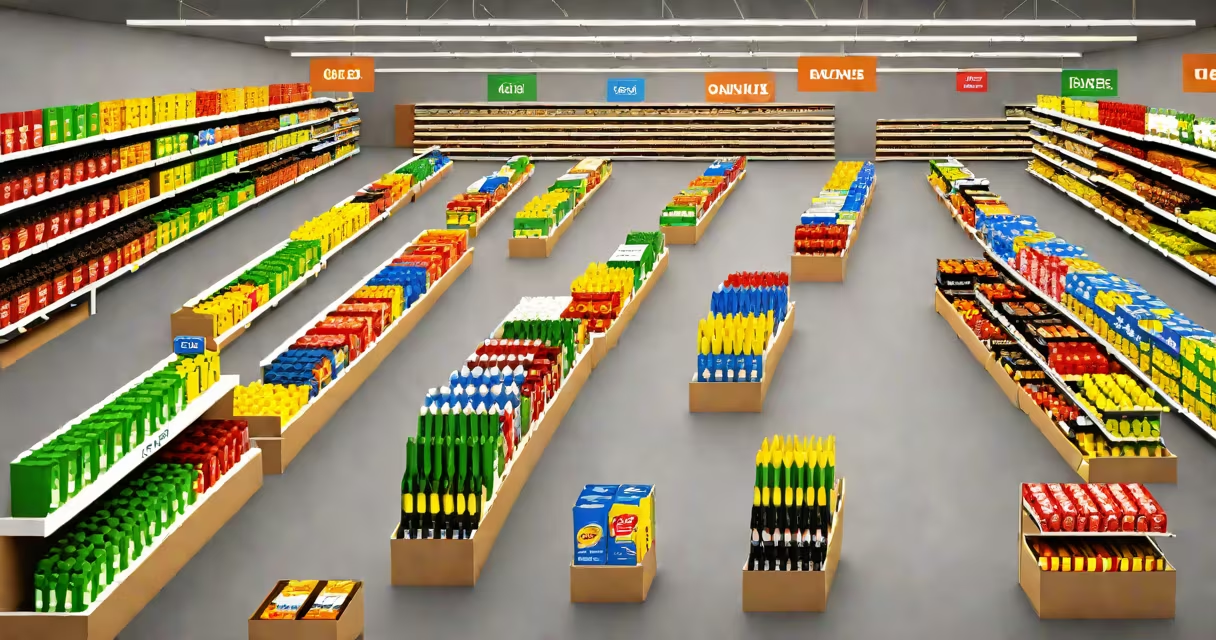
Trade marketing is a strategic discipline focused on driving product sales through retailer partnerships, in-store execution, and targeted promotions designed to influence purchasing decisions at the point of sale. It bridges brand strategy and retail performance by aligning marketing efforts with the realities of store shelves, pricing, and shopper behavior.
Unlike broad awareness campaigns, trade marketing targets the specific environments where purchases happen-supermarkets, pharmacies, convenience stores, and e-commerce marketplaces. Its success depends on precise coordination between manufacturers, distributors, and retailers to ensure products are visible, accessible, and appealing when shoppers make choices.
According to the Association of National Advertisers (ANA), trade marketing accounts for nearly 60% of consumer packaged goods (CPG) marketing budgets. This reflects its critical role in converting brand interest into actual transactions, especially in highly competitive categories like beverages, snacks, and personal care.
Trade marketing operates through a series of structured activities that align brand goals with retail execution. These include promotional planning, trade allowances, in-store displays, and retailer-specific incentives. The process begins with identifying key retail partners and understanding their operational constraints-such as shelf space allocation, inventory turnover rates, and seasonal demand patterns.
For example, a beverage company launching a new energy drink might negotiate a trade allowance with a national grocery chain. This allowance reduces the retailer's cost per unit, enabling them to offer a discount at checkout. The manufacturer may also provide a free-standing display or a shelf-talker with bold messaging like "New! 20% More Caffeine" to draw attention at the point of purchase.
These tactics are not random. They follow a documented plan tied to measurable outcomes-increased sell-through, higher basket size, or improved shelf share. A 2022 Nielsen report found that brands using coordinated trade marketing strategies saw a 14% average increase in in-store sales velocity compared to those relying solely on advertising.
Trade marketing consists of four primary elements: promotion design, retail partnership management, in-store execution, and performance tracking. Each plays a distinct role in shaping the shopper's experience and influencing buying behavior.
| Type | Description | Example |
|---|---|---|
| Promotional incentives | Discounts, buy-one-get-one offers, or volume rebates offered to retailers or consumers. | A cereal brand offers a $0.50 coupon per box to customers who scan a QR code at checkout. |
| Trade allowances | Financial incentives paid to retailers to secure shelf space or promote a product. | A snack manufacturer pays a regional grocer $1,200 to feature their new flavor in the front-end display during holiday season. |
| In-store merchandising | Physical displays, signage, and product placement designed to attract attention and encourage trial. | Placing a colorful, interactive display near the checkout lane for a new line of organic chips. |
| Seasonal or event-based programs | Time-limited campaigns tied to holidays, sports events, or cultural moments. | A beer brand runs a "Summer BBQ Pack" with bundled six-packs and branded grilling tools during Memorial Day week. |
One often-overlooked element is shopper segmentation. Trade marketing teams analyze purchase data to identify which customer segments respond best to certain promotions. For instance, a study by McKinsey & Company showed that personalized in-store promotions increased conversion rates by 22% among high-frequency shoppers in urban markets.
Trade marketing is most prevalent in consumer packaged goods (CPG), fast-moving consumer goods (FMCG), and retail-driven industries. It's essential wherever physical or digital retail presence determines success. The automotive aftermarket, for example, uses trade marketing to place replacement parts in auto shops through distributor networks.
Consider a home improvement brand introducing a new paint color line. To gain traction in hardware stores, they launch a trade marketing campaign that includes:
This multi-pronged approach increases both immediate sales and long-term brand loyalty. According to the Retail Advertising & Marketing Association (RAMA), 78% of retailers prioritize suppliers who deliver consistent trade marketing support.
Trade marketing is frequently mistaken for general advertising or sales promotion. While advertising builds brand awareness, trade marketing focuses on the mechanics of selling within a retail environment. A commercial on TV promoting a new shampoo doesn't guarantee it will be placed on the shelf or displayed prominently-it takes trade marketing to make that happen.
Another misconception is that trade marketing is purely transactional. In reality, it's strategic. It involves forecasting demand, managing inventory flow, and building relationships with retail buyers. A brand that fails to align its trade marketing with a retailer's calendar-like missing back-to-school or holiday prep timelines-can lose valuable shelf space to competitors.
I once observed a trade marketing team roll out a new line of protein bars in 120 convenience stores. They didn't just hand out samples. They trained staff on nutritional benefits, installed eye-level displays with animated LED lighting, and partnered with local gyms for cross-promotions. Sales doubled in the first month-not because of ads, but because the product was seen, understood, and trusted at the moment of decision.
One non-obvious fact: trade marketing effectiveness is not measured solely by sales lift. A successful campaign can also reduce out-of-stocks, improve supplier ratings, or shorten time-to-shelf. A 2021 study by IRI found that brands with strong trade marketing execution had 30% fewer stockouts during peak demand periods.
Define trade marketing as a deliberate, data-driven effort to connect brand value with retail execution. It's not just about discounts or displays-it's about creating conditions where products succeed in the real world. When done well, it turns potential buyers into actual purchasers, and casual shoppers into loyal customers.