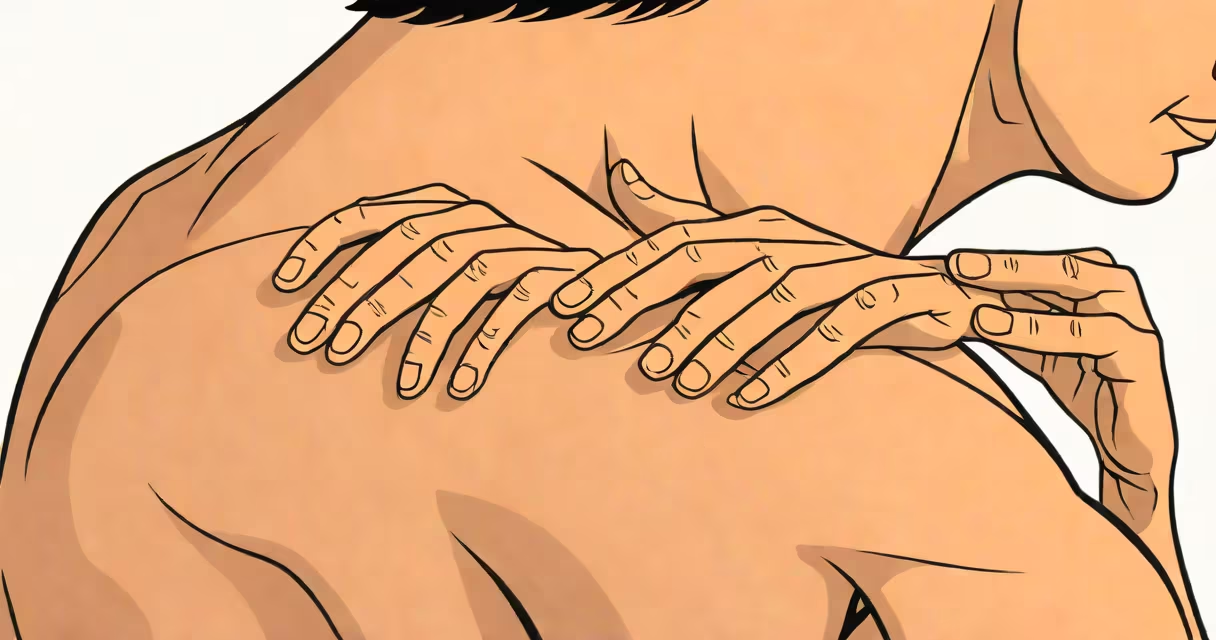
Rotator cuff pain results from irritation, inflammation, or tearing of the four muscles and tendons that stabilize the shoulder joint. This group of tissues connects the upper arm bone to the shoulder blade and enables lifting, rotating, and reaching motions.
The rotator cuff is vulnerable during repetitive overhead movements, sudden trauma, or age-related wear. Pain typically develops gradually or after a specific incident, such as lifting heavy objects or falling on an outstretched hand. Common triggers include sports, manual labor, or prolonged computer use with poor posture.
According to the American Academy of Orthopaedic Surgeons (AAOS), rotator cuff injuries account for nearly 40% of all shoulder-related visits to primary care providers. These injuries often go undiagnosed early because symptoms mimic general muscle soreness or arthritis.
Pain arises when the tendons of the supraspinatus, infraspinatus, teres minor, and subscapularis muscles become inflamed or damaged. Overuse leads to microtears, which accumulate over time. Without rest, these tears can progress into larger injuries.
Repetitive motions-like throwing a baseball, painting a ceiling, or typing with arms extended-strain the tendons. A single traumatic event, such as a fall or lifting a heavy suitcase incorrectly, can cause acute pain and sudden weakness.
Age plays a major role. By age 60, about 50% of people show signs of rotator cuff degeneration on MRI scans, even without symptoms. The tendons lose elasticity and blood flow, making them prone to damage with minimal stress.
Rotator cuff issues fall into three categories: tendinitis, bursitis, and tears. Each presents differently and requires distinct treatment paths.
| Type | What It Is | Typical Symptoms | Common Cause |
|---|---|---|---|
| Tendinitis | Inflammation of the tendon | Dull ache at the front or side of the shoulder, worsened by lifting or reaching overhead | Repetitive motion, poor ergonomics |
| Bursitis | Swelling of the fluid-filled sac near the joint | Pain radiating down the arm, especially at night or when lying on the affected side | Overuse, direct pressure |
| Tear | Partial or complete rupture of tendon tissue | Sudden sharp pain, weakness, inability to lift arm above shoulder | Fall, heavy lifting, chronic wear |
A 2021 study published in the Journal of Shoulder and Elbow Surgery found that 68% of patients with rotator cuff tears reported pain at night, particularly when lying on the injured side. This symptom is a red flag for structural damage rather than mild inflammation.
Many assume rotator cuff pain is just "shoulder stiffness" or "a pulled muscle." But unlike general muscle strain, rotator cuff pain often persists beyond a few days and worsens with specific movements like reaching behind the back or raising the arm sideways.
Another frequent error is confusing rotator cuff pain with cervical radiculopathy-nerve pain from a pinched nerve in the neck. Both can cause pain radiating down the arm, but rotator cuff pain is localized to the shoulder and worsens with overhead activity. Neck-related pain may follow a dermatomal pattern and include numbness or tingling.
Rotator cuff pain does not always correlate with imaging findings. A 2019 study in the New England Journal of Medicine showed that 30% of asymptomatic adults aged 50-70 had partial rotator cuff tears visible on MRI. This means imaging alone cannot confirm the source of pain.
I once treated a 52-year-old man who developed shoulder pain after six hours of digging and raking in his garden. He described a deep ache in the right shoulder that worsened when he reached overhead to prune trees. He initially dismissed it as muscle fatigue.
After three days of worsening pain and difficulty sleeping on that side, he visited a physical therapist. Examination revealed weakness in external rotation and positive Neer's impingement test. An ultrasound confirmed partial-thickness tendinitis of the supraspinatus tendon.
He was advised to stop overhead activities, apply ice twice daily, and perform gentle pendulum exercises. After two weeks of consistent rehab, his pain reduced by 80%. He returned to light gardening with modified techniques.
Consult a healthcare provider if pain lasts longer than 7-10 days despite rest, if you notice weakness when lifting or rotating your arm, or if pain disrupts sleep. Persistent pain after minor trauma suggests a tear.
Imaging such as ultrasound or MRI helps distinguish between tendinitis and structural tears. Ultrasound is preferred for initial assessment due to lower cost and real-time visualization of movement.
Physical therapy is effective for most cases. A 2020 review in the British Journal of Sports Medicine found that 75% of patients with rotator cuff tendinitis improved with supervised exercise programs over 12 weeks. Strengthening the scapular stabilizers and improving posture were key factors.
If conservative treatment fails, corticosteroid injections or surgery may be considered. Arthroscopic repair is common for full-thickness tears, with success rates exceeding 90% in properly selected patients.
Rotator cuff pain is not inevitable with aging. Early intervention reduces long-term disability. Addressing movement patterns, work ergonomics, and training load prevents recurrence.