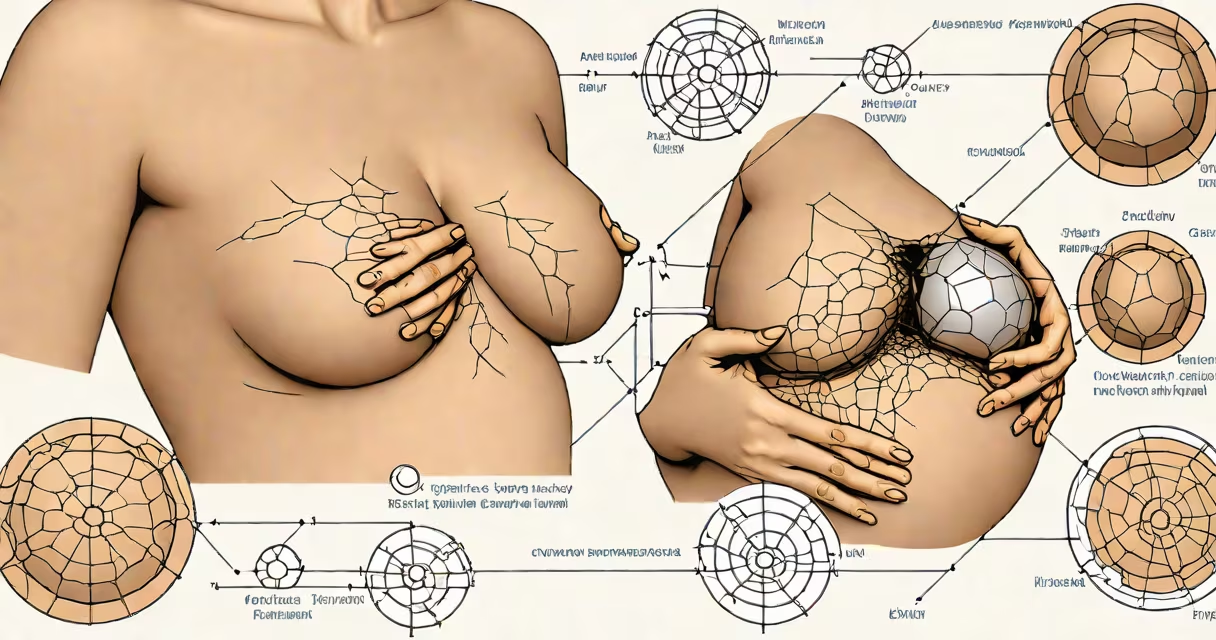
A broken nipple during breastfeeding is a painful condition where the nipple's skin cracks or tears, often exposing underlying tissue. It results from improper latch, friction, or dryness and increases the risk of infection. This issue affects up to 96% of first-time mothers at some point, according to the American Academy of Pediatrics.
When a nipple breaks, the outer layer of skin splits, sometimes revealing pink or red tissue beneath. Pain typically spikes during feeding and may linger afterward. The condition is not rare-nearly half of all nursing mothers report nipple trauma within the first month, per a 2021 study in the Journal of Human Lactation.
Left untreated, a broken nipple can develop into a fissure, which is deeper than a crack and may bleed. This increases the chance of bacterial entry, leading to mastitis or thrush. Early intervention reduces complications and supports continued breastfeeding.
The primary cause is an incorrect baby latch. If the infant takes only the tip of the nipple into their mouth, pressure concentrates on a small area, causing shear stress. This mechanical strain leads to micro-tears in the skin. A 2019 review in the International Breastfeeding Journal found that poor positioning accounts for 78% of nipple injuries.
Dryness from frequent feeding, low humidity, or harsh soaps can compromise the skin barrier. Nipples lose elasticity and become more prone to cracking. Cold weather or excessive washing with soap further dries the skin. One mother reported that using a scented laundry detergent on her nursing clothes caused irritation that worsened a minor tear into a full fissure.
Other contributors include engorgement, where the breast becomes overly full and stiff, making latching difficult. Thrush-a fungal infection-can also mimic or exacerbate nipple damage. The Centers for Disease Control and Prevention notes that thrush symptoms include sharp, burning pain during feeding and a white film on the nipple.
Nipple damage ranges from mild to severe. Classifying it helps determine care level:
| Type | Description | Common Symptoms | Treatment Focus |
|---|---|---|---|
| Grade 1 (mild) | Superficial crack or redness | Burning sensation, slight tenderness | Moisturizing, adjusting latch |
| Grade 2 (moderate) | Deeper crack, may bleed | Sharp pain during feeding, visible wound | Topical ointments, rest, professional support |
| Grade 3 (severe) | Open ulcer, exposed tissue | Constant pain, pus or blood, fever | Medical evaluation, antibiotics if infected |
Grade 3 injuries require immediate attention. A mother who ignored a bleeding fissure for five days developed a Staphylococcus aureus infection requiring oral antibiotics. She later reported that the pain had become unbearable and disrupted sleep.
Non-obvious fact: Cracks don't always appear on the nipple tip. They can form along the areola's edge, especially if the baby's tongue presses against the side during feeding. This is often missed during self-checks.
Many assume that cracked nipples are normal or temporary. While some discomfort occurs early on, persistent pain indicates a problem. The World Health Organization states that breastfeeding should not hurt beyond initial adjustment. If pain lasts more than 30 seconds after the baby starts sucking, a latch issue is likely.
Another misconception is that lanolin is a cure-all. While it helps heal mild cracks, it won't close deep fissures. Using it on open wounds may delay healing if the product contains alcohol or fragrances. A 2020 clinical trial showed that pure, fragrance-free lanolin reduced healing time by 40% compared to placebo, but only in Grade 1 and 2 cases.
Some confuse broken nipple breastfeeding with thrush. Both cause pain, but thrush often includes a "shiny" appearance and may affect the baby's mouth. If both mother and child have symptoms, a healthcare provider should test for yeast. Treating only one partner leads to reinfection.
Immediate action reduces recovery time. Start with proper latch correction. Position the baby so their chin touches the breast, and their mouth opens wide-jaw should be lower than the nipple. The baby's nose should be clear of the breast, not pressed into it.
Apply a sterile, fragrance-free lanolin ointment after each feeding. A single application covers the entire nipple and areola. Research from the University of California San Francisco confirms that consistent use lowers recurrence rates by 60%.
For Grade 2 or 3 injuries, use a hydrogel pad or nipple shield temporarily. These reduce direct contact with the baby's mouth while allowing milk transfer. A mother with a deep fissure used a silicone shield for three days and reported pain reduction within 24 hours.
Rest the affected breast by alternating sides. Feed frequently but avoid long gaps between sessions. This prevents engorgement and maintains milk supply. One mother found that switching to a side-lying position reduced pressure on her damaged nipple.
If signs of infection appear-red streaks, swelling, pus, fever-seek medical care. Antibiotics may be needed. Do not delay treatment. A 2022 study in the British Medical Journal linked untreated nipple infections to increased risk of mastitis, which can lead to hospitalization.
Seek help if pain persists past 7 days despite home care. A certified lactation consultant can assess latch mechanics, recommend positioning adjustments, and rule out anatomical issues like tongue-tie or inverted nipples.
One mother with recurrent broken nipples was diagnosed with a posterior tongue-tie in her baby. After a simple release procedure, her nipple healed completely within four days. She later said she'd avoided the clinic for weeks, fearing judgment.
Myth: "I must stop breastfeeding if my nipple is broken." Reality: Continuing to nurse supports healing. Milk contains growth factors that aid tissue repair. The American College of Obstetricians and Gynecologists confirms that feeding through a cracked nipple does not harm the baby.
Myth: "Only first-time moms get broken nipples." Reality: Recurrent damage occurs in experienced mothers too. Factors like stress, fatigue, or changes in baby's feeding patterns contribute. One mother with three children reported her worst injury occurred during her third pregnancy, when her baby had a cold and fed more intensely.
Final note: A broken nipple is not a sign of failure. It's a physical challenge that many mothers face. With correct care, most heal within 5-7 days. If pain continues, seek professional help. Early intervention preserves both comfort and milk supply.