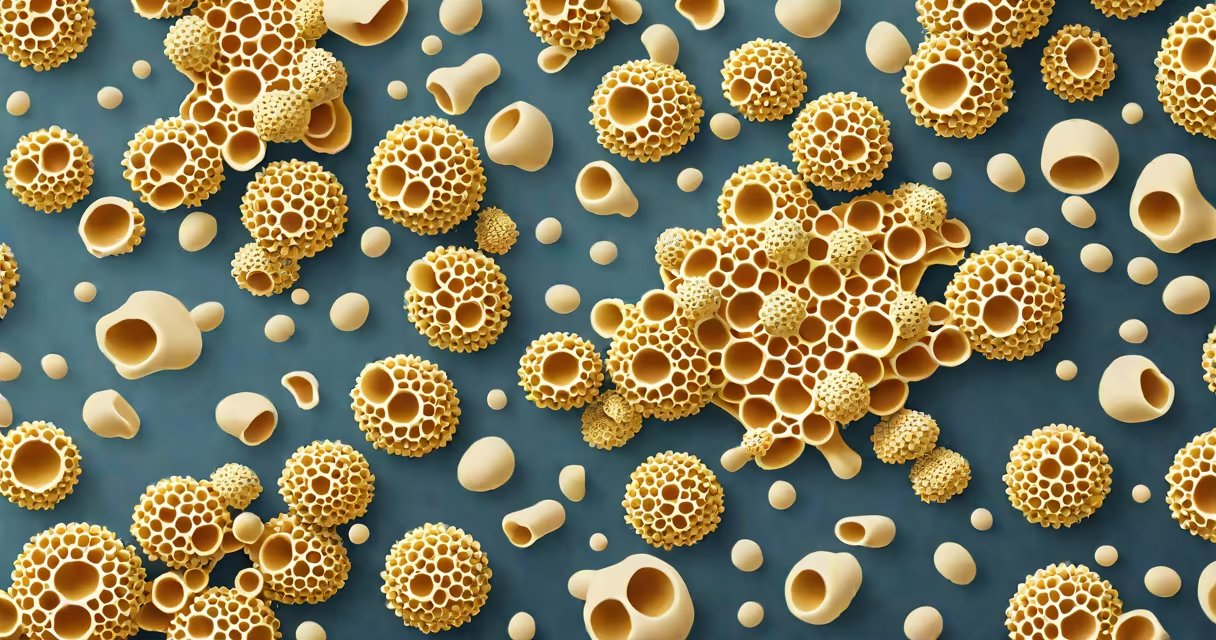
Bone marrow white blood cells are immune cells produced in the bone marrow that circulate in the bloodstream to fight infections and regulate inflammation. They originate from hematopoietic stem cells and differentiate into various functional types based on their roles in immunity.
These cells form through a process called hematopoiesis, which occurs primarily in the red bone marrow of flat bones like the pelvis, sternum, and vertebrae. Hematopoietic stem cells give rise to myeloid and lymphoid lineages. Myeloid progenitors produce granulocytes (neutrophils, eosinophils, basophils), monocytes, and platelets. Lymphoid progenitors generate B cells, T cells, and natural killer (NK) cells-all critical components of adaptive and innate immunity.
When a patient undergoes a bone marrow biopsy, pathologists examine the cellular composition under a microscope. A normal marrow sample contains approximately 30-60% nucleated cells as hematopoietic elements, with white blood cell precursors making up a significant portion. Abnormal counts or morphological changes can indicate conditions such as leukemia, myelodysplastic syndromes, or immune deficiencies.
Hematopoiesis begins with pluripotent hematopoietic stem cells (HSCs) in the bone marrow. These cells self-renew and differentiate into multipotent progenitors, which then commit to specific lineages. The process is tightly regulated by cytokines and growth factors such as granulocyte colony-stimulating factor (G-CSF), interleukins, and stem cell factor.
For example, neutrophil development follows this sequence: HSC → common myeloid progenitor → granulocyte-monocyte progenitor → promyelocyte → myelocyte → metamyelocyte → band cell → mature neutrophil. Each stage involves distinct morphological changes visible under light microscopy, including nuclear segmentation and cytoplasmic granule formation.
A single HSC can generate over 100 billion white blood cells per day in a healthy adult. This rate increases during infection or stress. The average human produces about 100 billion new white blood cells daily, most of which are neutrophils, the most abundant type.
The major categories of white blood cells originating in the bone marrow include granulocytes, monocytes, and lymphocytes. Each has distinct functions and developmental pathways.
| Type | Origin | Key Function | Normal Range (per μL) |
|---|---|---|---|
| Neutrophils | Myeloid lineage | Phagocytose bacteria; release antimicrobial enzymes | 2,500-7,000 |
| Eosinophils | Myeloid lineage | Combat parasitic infections; involved in allergic responses | 100-500 |
| Basophils | Myeloid lineage | Release histamine; contribute to inflammatory reactions | 0-200 |
| Monocytes | Myeloid lineage | Enter tissues and become macrophages or dendritic cells | 200-800 |
| B cells | Lymphoid lineage | Produce antibodies; mediate humoral immunity | 50-300 |
| T cells | Lymphoid lineage | Direct cell-mediated immunity; coordinate immune response | 800-1,500 |
| Natural Killer (NK) cells | Lymphoid lineage | Destroy virus-infected and tumor cells without prior sensitization | 50-300 |
Neutrophils account for 50-70% of circulating white blood cells. Their rapid deployment to sites of infection makes them the first responders in acute inflammation. In contrast, lymphocytes are slower to act but provide long-term protection through immunological memory.
One non-obvious distinction: while most white blood cells mature in the bone marrow, T cells undergo final maturation in the thymus. This means bone marrow produces the precursor cells, but the thymus shapes their antigen specificity. Confusing this leads to misdiagnosis in primary immunodeficiencies.
Clinical evaluation of bone marrow white blood cells begins with a complete blood count (CBC) and differential. A high white blood cell count (leukocytosis) may suggest infection, inflammation, or malignancy. For example, a patient with sepsis often shows a white blood cell count above 15,000/μL, with a left shift indicating increased immature neutrophils.
When a CBC reveals abnormal morphology or persistent leukocytosis, a bone marrow aspiration and biopsy are performed. In acute myeloid leukemia (AML), blast cells-immature white blood cells-can exceed 20% of marrow cells. Diagnosis requires flow cytometry and genetic testing to confirm subtype.
In practice, I once reviewed a case where a 42-year-old woman presented with fatigue and bruising. Her CBC showed a white blood cell count of 22,000/μL with 30% blasts. A bone marrow biopsy confirmed AML-M2. Without the marrow analysis, the diagnosis would have been missed, delaying treatment.
Abnormalities in bone marrow white blood cells can also signal autoimmune disorders. In systemic lupus erythematosus (SLE), reduced neutrophil counts (neutropenia) occur due to immune complex deposition and accelerated destruction. This increases infection risk and requires careful monitoring.
Many assume that all white blood cells are created equal. In reality, each type responds to different signals and targets unique threats. Neutrophils destroy bacteria via phagocytosis and oxidative burst. Monocytes become macrophages that clear dead cells and present antigens. T cells recognize infected host cells and trigger apoptosis.
Another misconception: bone marrow is only for red blood cell production. While red blood cells dominate in volume, white blood cells are essential for immune defense. The bone marrow houses both systems simultaneously. A biopsy evaluates both lineages together.
Some patients confuse white blood cell elevation with cancer. Elevated counts can result from infections, stress, or medications like corticosteroids. A white blood cell count above 11,000/μL is considered elevated, but context matters. A viral infection may cause transient increases without pathology.
Diet influences white blood cell function. Zinc, vitamin D, and omega-3 fatty acids support immune cell activity. Deficiencies impair neutrophil chemotaxis and macrophage phagocytic capacity. A study published in *The American Journal of Clinical Nutrition* found that individuals with low serum vitamin D had higher rates of respiratory infections, linked to impaired T-cell regulation.
Specific foods improve white blood cell health. Garlic contains allicin, which boosts macrophage activity. Citrus fruits supply vitamin C, which enhances neutrophil oxidative burst. Leafy greens provide folate, necessary for DNA synthesis in rapidly dividing immune cells.
Understanding bone marrow white blood cells clarifies how the body defends itself at the cellular level. Their production, diversity, and clinical significance show their central role in health and disease. When abnormalities arise, targeted testing and dietary support improve outcomes.
Bone marrow white blood cells are important immune sentinels formed in the bone marrow. Their proper function ensures resistance to pathogens and balanced immune responses. Monitoring their levels and morphology remains essential in diagnosing and managing blood disorders.